Last updated November 21, 2026
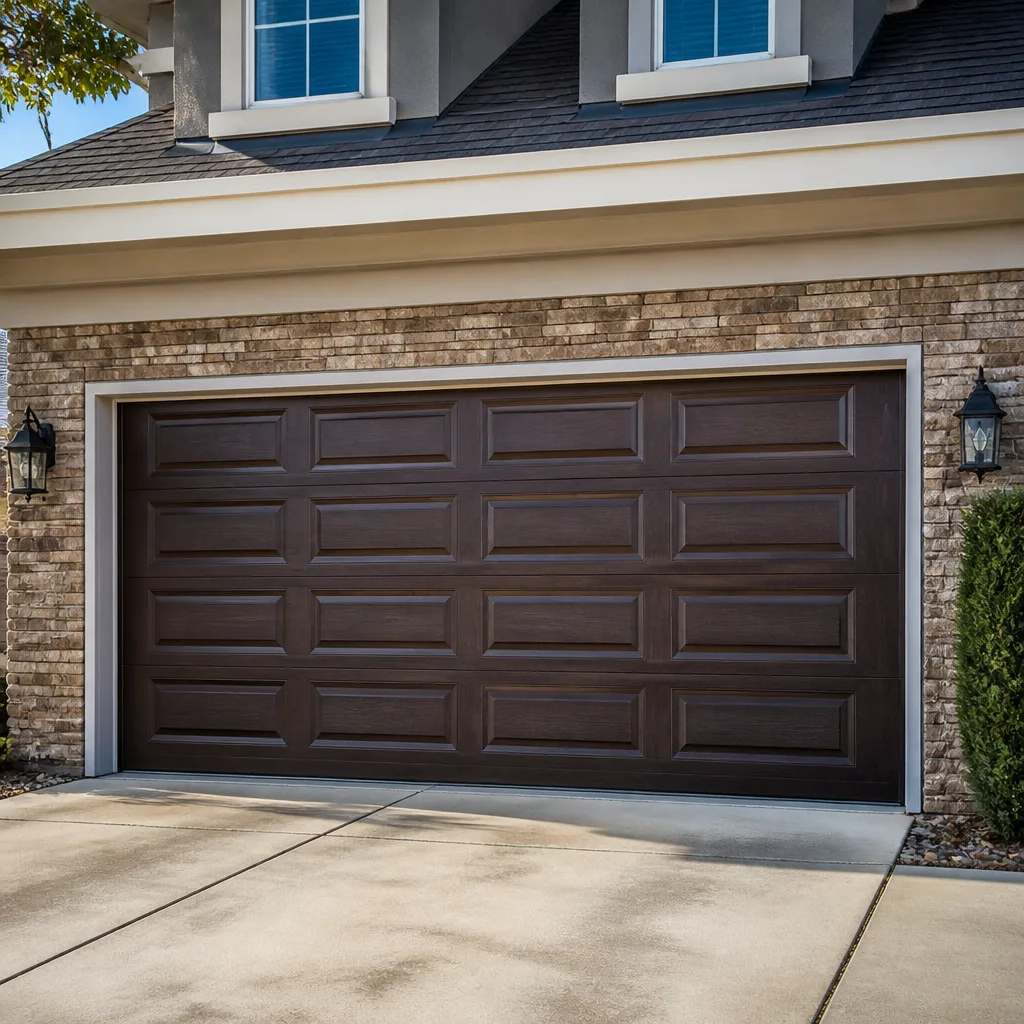 Raised-panel steel
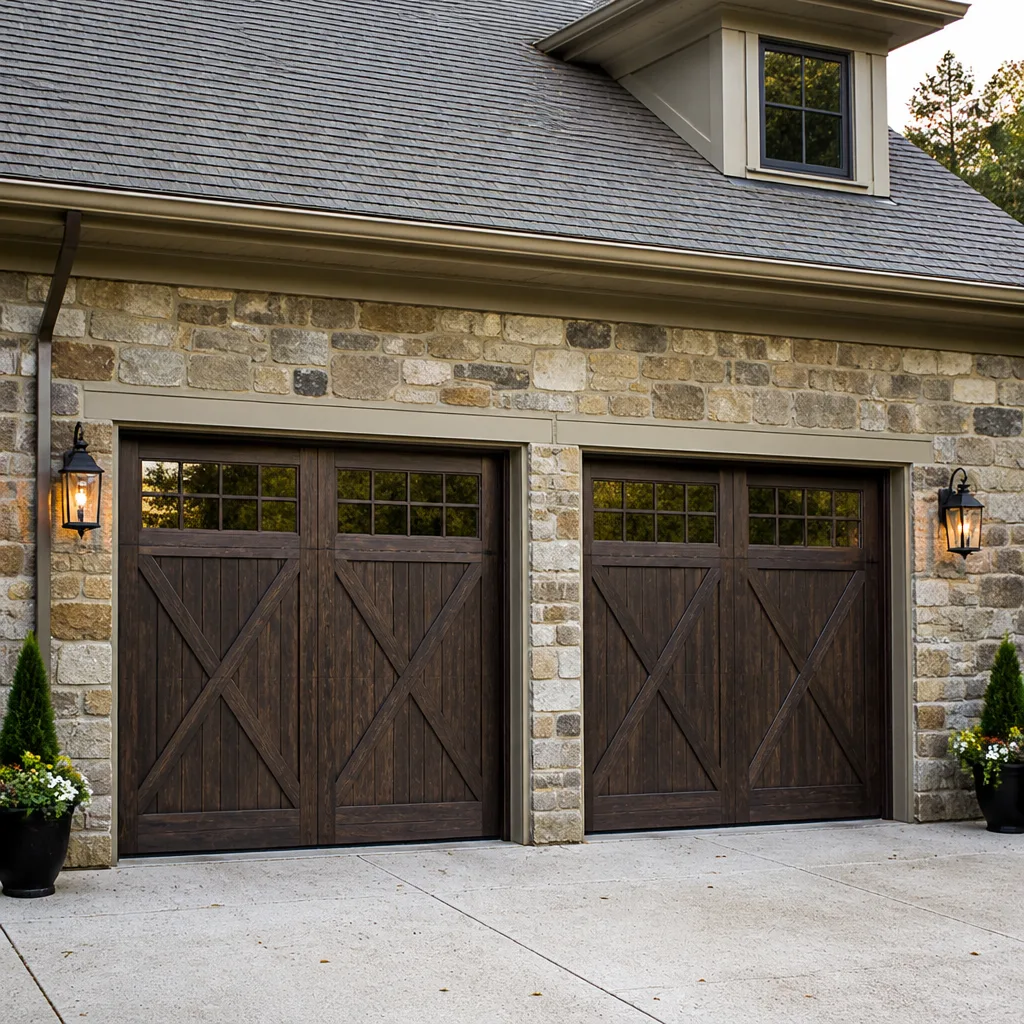 Carriage house
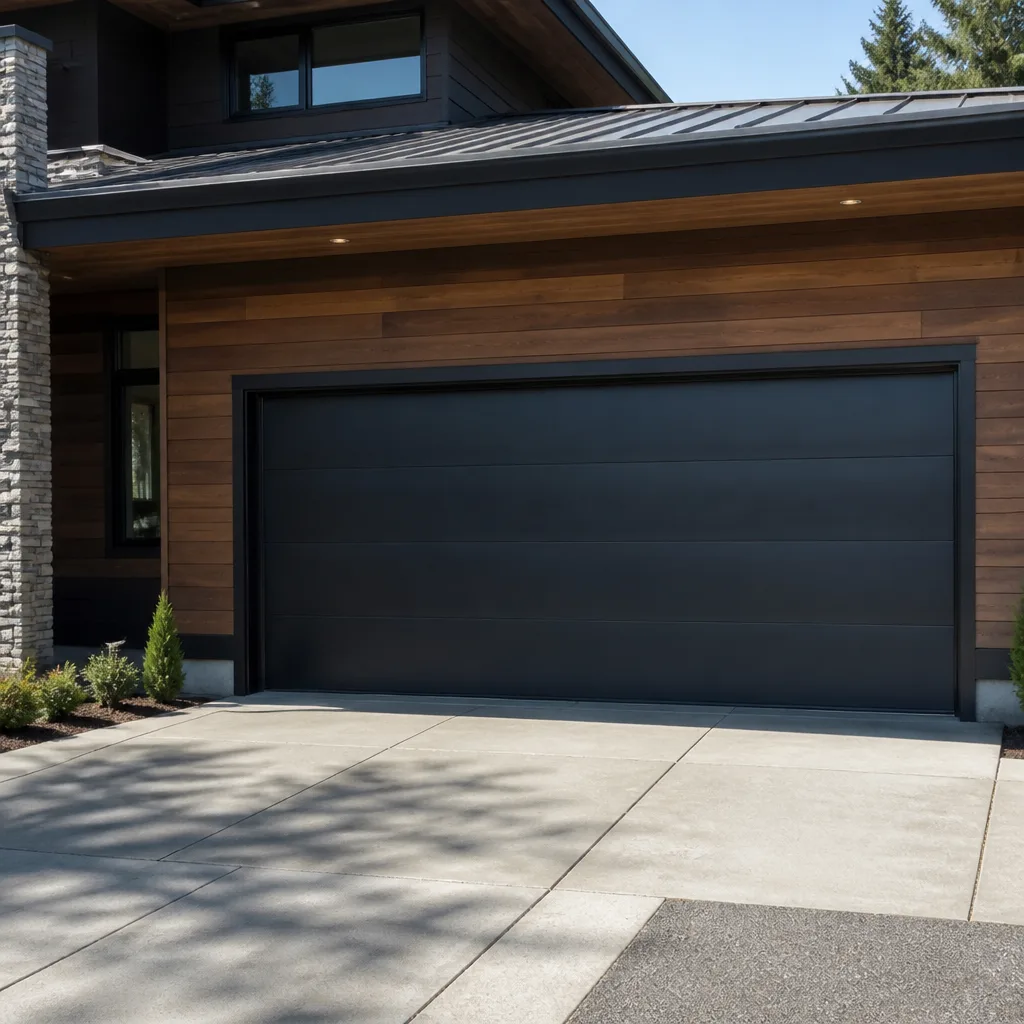 Modern flush
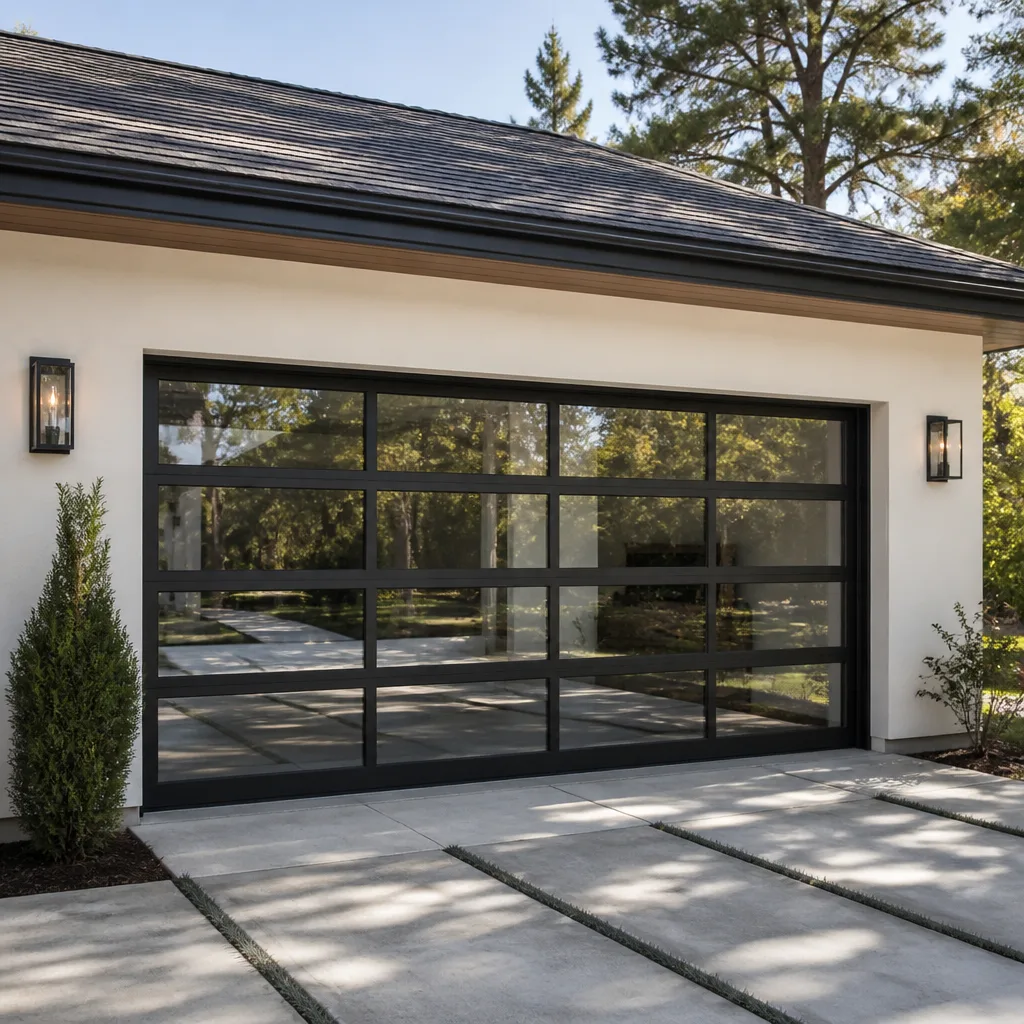 Full-view glass
 LiftMaster openers
 Chamberlain openers
Full 25-point door and opener safety check with every visit - springs, cables, rollers, tracks, and your LiftMaster or Chamberlain opener included
You get a price before we start. It does not change when the pro arrives.
Get your free estimateGarage Door Permits, Codes & Inspections in Chelsea, NY: What You Need to Know
Most homeowners assume a garage door is like a front door: if it’s inside your own building, nobody from the city cares. That assumption gets expensive in Chelsea. Swapping an opener is almost always a non-event. But replace a door, change its panels, or alter the opening in a landmarked building, and you’ve stepped into a world of NYC Department of Buildings filings, Landmarks Preservation Commission review, and building-approval layers buried in a co-op proprietary lease. Skip those steps and the paperwork doesn’t disappear. It follows the property to a title search years later. This guide maps the exact regulatory triggers, the classes of work, and the practical timeline so you can plan a Chelsea garage door project with your eyes open.
Quick Answer
In Chelsea, a garage door opener replacement generally needs no permit, while a full garage door replacement often requires filing with NYC’s Department of Buildings, and any work on a door attached to a building inside one of Chelsea’s 11 NYC landmark districts needs Landmarks Preservation Commission approval before a permit is issued. Panel replacements and structural header work can fall on either side of the permit line depending on how the opening is altered, so the scope of work decides the paperwork, not the size of the bill. If your building is a co-op or condo, the property’s own rules almost always add a separate approval step on top of anything the city requires.
Styles & brands we work with
- Raised-panel steel
- Carriage house
- Modern flush
- Full-view glass
- LiftMaster openers
- Chamberlain openers
Table of Contents
- What Requires a Permit in Chelsea and What Doesn’t
- NYC DOB Alt-1 versus Alt-2: Which Filing Your Project Needs
- Landmark Districts in Chelsea: LPC Approval, Individual Landmarks, and Historic Districts
- Co-op and Condo Layers: What Your Proprietary Lease Adds
- Cost and Timeline: What a Standard NYC Garage Door Permit Really Takes
- Inspections: What the City Looks At and What Inspectors Won’t Touch
- Work Without Permit: How Violations Show Up on a Title Search and How to Cure Them
- When a Licensed Professional Has to Handle the Filing
What Requires a Permit in Chelsea and What Doesn’t
The single most useful distinction for Chelsea homeowners is between work that touches the door’s hardware and work that touches the building’s structure or envelope. An opener replacement is hardware. A door replacement in an existing opening is usually a filing event. Cutting into a header to fit a taller door is construction, and it brings a different set of city eyes onto the job.
Here’s how we explain the split to customers trying to plan a project:
- Opener swap or opener repair: No permit in most cases. You’re swapping electronics on an existing door. A LiftMaster or Chamberlain unit going into a mount left by the old unit is a straightforward electrical reconnect.
- Opener upgrade to a smart system: Same answer. The control electronics change, but the door and opening don’t.
- Like-for-like panel replacement: This is the gray zone. If you’re replacing panels of the same size, weight and configuration in an existing track and frame, some scopes can be done without a filing, and some require one. The deciding factor is almost always what the building department and, where applicable, the LPC considers a change to the building’s exterior or structure rather than a repair.
- Full door replacement in an existing opening: This is where filing requirements become common. A new door with a different weight, material or design has to match the opening and the surrounding structure, and the city wants to see that.
- Structural header work, re-framing, or opening changes: This crosses into structural construction. Expect engineering documentation, a licensed contractor, and the heavier forms of filing.
For Chelsea building owners, the practical rule is to ask two separate questions before you buy anything: does the city treat this as a repair or an alteration, and does the building treat this as work it needs to approve? Those are two different yes/no answers, and the answer to either can stop the project cold.
NYC DOB Alt-1 versus Alt-2: Which Filing Your Project Needs
When a garage door project does require a filing, it usually falls into one of two Department of Buildings categories. Alt-1 is an alteration that changes a building’s use, egress or occupancy. Alt-2 is an alteration for any other scope. The category decides the level of plans, the review process, and the timeline.
For most single-family and small building garage door replacements in Chelsea, the answer will be Alt-2, because a new door in an existing opening doesn’t change how the building is used or how people get out. But there are real cases where Alt-1 comes into play, and this is the part most guides skip:
- Changing use: converting a residential garage into a commercial loading area, or the reverse, changes occupancy. That’s Alt-1 territory.
- Changing egress: if the new door configuration alters a path of exit from an occupied space, the filing grows.
- Structural alteration: a taller or wider opening means cutting load-bearing structure. Plans, engineering and likely a heavier filing.
- Filing a new door in an existing opening: the most common case, and usually Alt-2 with drawings that show the existing structure and the new door’s fit.
- Cosmetic panel replacement in an existing frame: frequently handled as a repair with no filing at all, if the panels are truly a match.
The critical distinction is that “Alt-1 versus Alt-2” isn’t a choice you make to save time. It’s a classification the scope of work dictates, and getting it wrong means the filing gets rejected or, worse, the work gets done under the wrong permit and you find out at inspection. When a Chelsea job is close to the line, we tell people to ask the city’s building department to confirm the filing category before anything is ordered. It’s a phone call now instead of a problem later.
Landmark Districts in Chelsea: LPC Approval, Individual Landmarks, and Historic Districts
This is where Chelsea is different from most of New York. A garage door isn’t just a garage door here; in landmarked buildings it’s part of the exterior the Landmarks Preservation Commission protects. Chelsea contains 11 NYC landmark districts, and a door attached to a building inside one of them needs LPC sign-off before a permit is issued.
The first thing to work out is which of three categories your building falls under, because each requires a different step:
- Inside an LPC Historic District: the building is part of a designated district, and any exterior change to the door or its opening is subject to LPC review. For a door matching the original design in style and material, the review can move reasonably fast. For a door with different design, material, color or visible hardware, expect a longer review and possibly a hearing.
- An LPC Individual Landmark: the building itself is designated, so the same rules apply to the exterior with no district flexibility to lean on. Individual landmark status is stricter, not looser.
- Neither: the building is outside any landmark designation, so the LPC isn’t involved and the DOB process is the whole process.
Identifying your category is a records question, not a guess. The LPC makes its district maps and landmark designations available to the public, and a look at those maps for your address tells you which box you’re in. Our advice is to check before you buy a door, not after. The most expensive Chelsea garage door projects we learn about aren’t the ones where the door cost the most. They’re the ones where a new door went in without LPC approval and the building was later required to restore the original appearance at the owner’s expense. That can mean buying a second door and paying for two installations.
If your property is landmarked and you’re replacing the door, the practical path is to choose a door whose design matches the building’s period detailing, show the LPC that match in your application, and let the approval settle before anyone cuts a track or frames an opening. That’s a slower front end and a far cheaper back end.
Co-op and Condo Layers: What Your Proprietary Lease Adds
Even if every city requirement is satisfied, a Chelsea co-op or condo can stop a garage door project cold. Most proprietary leases and condo bylaws include alteration clauses that require written board approval before a shareholder or owner touches any part of the building’s structure or exterior, including a garage door.
In practice, the building-approval layer adds two things the city paperwork doesn’t:
- A separate application and review by the board. You’re submitting drawings, contractor information, insurance certificates and sometimes a signed alteration agreement.
- An insurance requirement on your contractor. Boards routinely require the contractor working on the building to carry insurance that names the building as an additional insured, and to provide certificates before work begins.
There’s a third pattern that catches people in multi-unit Chelsea buildings: a garage door that serves a shared parking area is often building property, not unit property. Even if you’re the only one who uses it, the door and the opening usually belong to the co-op. That’s why the approval layer sits on top of the permit layer, and why a board can require a certain door design or material in its own rules regardless of what the city allows.
The practical takeaway is to read your proprietary lease or bylaws for the word “alteration” before scheduling anything, and to submit the board application early. Board meetings take time, and a door that arrives before the board approval is a door sitting in a hallway. For homeowners trying to sort out the work itself while the paperwork moves, our guide to garage door repair covers what’s realistically a repair versus an alteration.
Cost and Timeline: What a Standard NYC Garage Door Permit Really Takes
Nobody likes this part, so we’ll say it plainly: permit costs and timelines vary by filing type, building, and the scope of the job, and anyone who quotes you a flat permit fee sight unseen is guessing. What we can do is lay out the realistic structure of what a permitted Chelsea garage door job costs and takes, so your expectations are in the right place.
Here’s the line-item structure of a permitted door project as we’d typically describe it to a Chelsea owner:
- Door and installation: the largest line, and the one that varies most by size, material and design.
- Removal and disposal of the old door: a separate job from install, especially on a heavy wood or steel door.
- DOB filing fees: tied to the filing category and the scope. Exact fees come from the city, not from us.
- LPC review, where the building is landmarked: can involve application fees and, in some cases, additional documentation.
- Board or management company processing: co-op and condo boards sometimes charge an alteration fee or require a deposit.
- Possible structural work: if the opening has to change, engineering and framing join the list.
On timing, the honest picture is that the paperwork, not the door, sets the calendar. An opener swap is a same-day job with no filing. A like-for-like panel replacement often closes within a couple of weeks. A full door replacement with a DOB filing and LPC review is a multi-week process before a door is even installed, and a landmarked building’s review adds time on top. Plan backward from the date you need the door working: order early, file early, and leave the LPC and board steps room to move.
None of this pricing is something we quote blind. The written estimate comes first, and on a permitted job the estimate reflects the work scope, while city fees and board charges pass through separately because they aren’t ours to set. That’s the arrangement we insist on, and it’s why the final invoice doesn’t surprise anyone. If you’re weighing a full replacement against a repair, our garage door installation page walks through when a new door is the right call.
Inspections: What the City Looks At and What Inspectors Won’t Touch
On any permitted garage door project, the city’s inspection is about safety and code compliance, not aesthetics. The inspector confirms the door is installed to the approved plans, the opening matches what was filed, and the safety systems on the door work as intended. If your door is an opener-equipped LiftMaster or Genie system, the safety reverse and the force settings are part of what that inspection is checking.
What inspectors don’t check matters just as much, and this is where Chelsea homeowners get confused. The city isn’t inspecting whether the door matches the landmark design, that’s the LPC’s concern, and it isn’t inspecting your co-op’s alteration agreement, that’s your board’s concern. Three separate reviews, three separate sets of eyes.
For the parts of the job that are genuinely dangerous, we’ll be blunt: torsion springs and the cables under tension are not something to inspect by hand yourself. A wound torsion spring holds enormous stored energy, and a spring that lets go while you’re near it can cause serious injury. The same applies to the high-voltage wiring inside an opener or at the wall control. An inspection is a professional’s job, and our technicians have up to 9 years of experience reading exactly these failure points. What you can safely do is look and listen from a distance: a door that slams, a spring that looks stretched or has a visible gap, a door that won’t stay up on its own. Note it, then book a professional to look.
Work Without Permit: How Violations Show Up on a Title Search and How to Cure Them
A garage door replacement that skipped a required permit leaves a record that a title search can surface when you sell. That’s the part homeowners don’t plan for. The door works, the building looks fine, and years later a title company flags an open permit or a done-without-permit job, and the sale stalls.
Violations usually appear in one of these forms:
- An open permit: a filing was never closed with a final inspection. Common when a contractor filed but the job wrapped without the close-out.
- Work done without any permit: a record that a change to the building was made with no filing, which a purchaser’s title company may flag.
- An LPC violation in a landmarked building: a door installed without approval, which carries its own enforcement path.
- A certificate-of-occupancy mismatch: a structural change to the opening that altered the building’s described use or egress without the matching filing.
Curing these is possible, but the path depends on the type. An open permit is usually resolved by an inspection and close-out. Unpermitted work often has to be documented, sometimes with drawings, and filed retroactively, which is more expensive than filing correctly the first time. An LPC violation in Chelsea can require a restoration of the original appearance, and that’s the one with the highest ceiling, because it means paying for door work twice.
The practical rule we’d give any Chelsea owner considering a door project: confirm the filing requirement before the work, keep the paperwork, and make sure any permit is closed out when the job finishes. It’s a ten-minute habit that saves you a problem at sale. Our guide to garage door opener repair covers the one category of door work that almost never needs a filing.
When a Licensed Professional Has to Handle the Filing
The moment a garage door project needs a filing, it stops being a homeowner’s job. The DOB filing, the LPC application, the engineering drawings if the opening changes, and the inspection all run through a licensed professional and, for the paperwork, often a licensed design professional. That’s a legal boundary, not a matter of taste.
In our experience, a Chelsea door project that stays in the “no permit” zone is anything where the door and opening aren’t changing: opener work, spring work, track and hardware adjustment, panel swap that’s truly like-for-like. A door project that leaves that zone is anything that changes the door itself or the opening it sits in. The two categories call for different phones.
What we bring to either category is full-system scope. We work on the opener electronics (LiftMaster, Chamberlain, Genie and the rest), the door hardware (Clopay, Amarr, Wayne Dalton and others), and the springs, panels and tracks that fail first. We diagnose by brand, not by guesswork, and we do both installation and repair, so a door we install is a door we can service down the line. You don’t get the gap where the installer won’t touch what the repair tech installed. One call covers the whole system, and where a project crosses into a filing requirement, we’ll tell you so before anything is ordered, so you can line up the licensed professional, the LPC path and your board’s approval in the right order. That’s what the Chelsea Garage Door Repair Pros approach is built around.
Common Mistakes to Avoid
- Buying the door before checking for LPC review. In one of Chelsea’s 11 landmark districts, the approval has to happen before a door goes up. Buying first means a door that can’t go in without a variance, or can’t go in at all.
- Assuming a co-op proprietary lease is silent on the garage door. It rarely is. Alteration clauses usually apply, and submitting the board application early saves weeks.
- Confusing an opener swap with an alteration. Replacing an opener or repairing a spring almost never needs a filing. Assuming a permit is needed for everything wastes time and money, but assuming it’s never needed is how violations happen.
- Letting a permit stay open. A filing without a final inspection is a flag on a future title search. Have the close-out confirmed in writing.
- Changing the door type in a co-op without board sign-off. The board’s rule is separate from the city’s, and the board’s rule wins.
- Treating “same size” as “no filing.” A same-sized panel replacement can still count as an alteration depending on the scope. Confirm the filing category instead of assuming it.
- Hand-inspecting springs or opener wiring. Torsion springs and high-voltage opener wiring are dangerous. Look and listen from a distance and let a trained professional handle the rest. Our technicians have up to 9 years of experience with exactly this.
See the difference
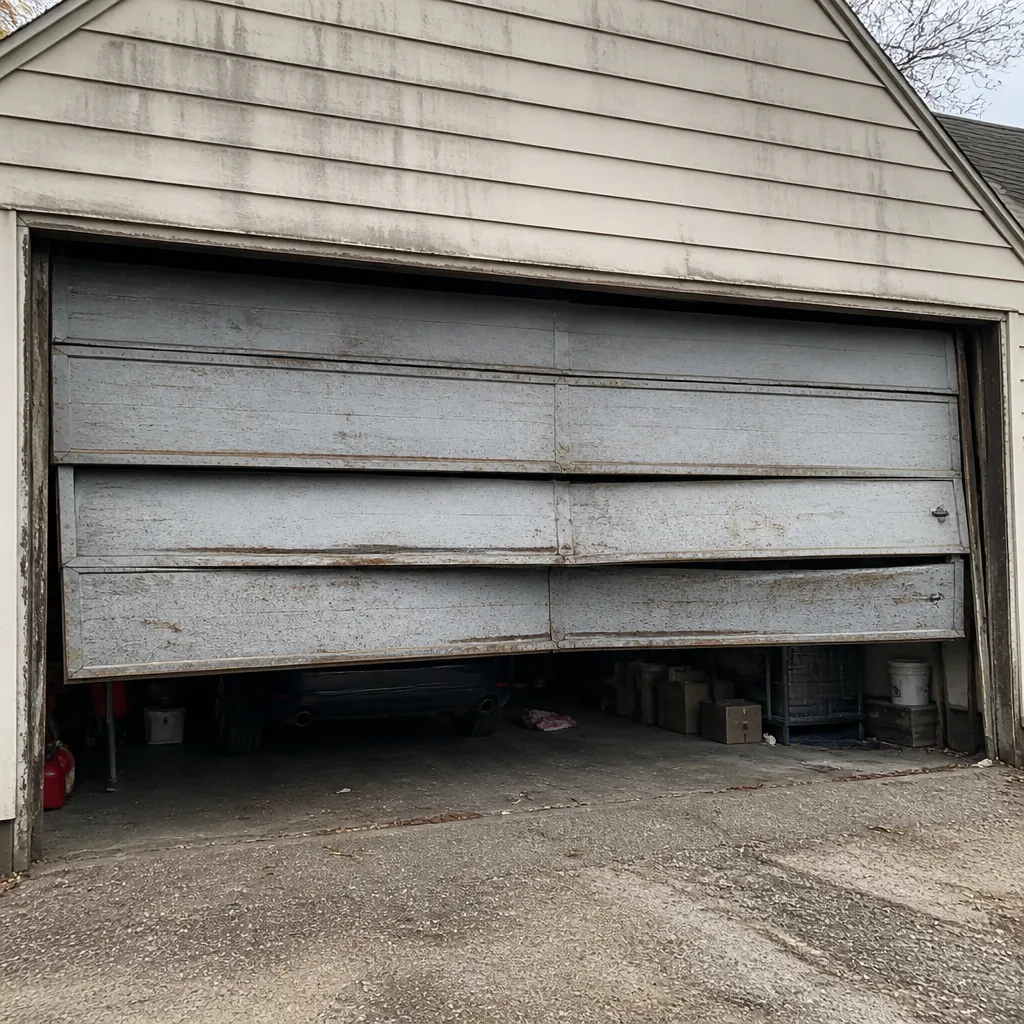 Before
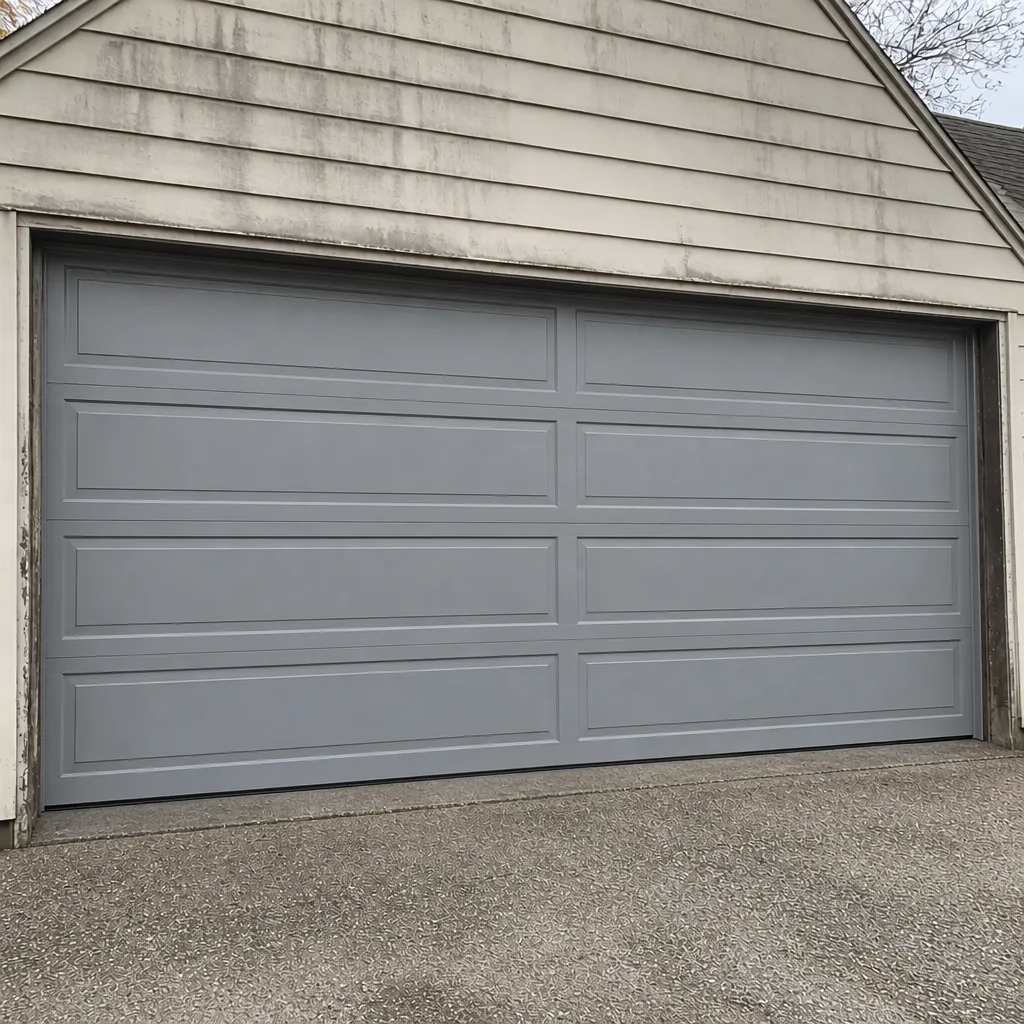 After
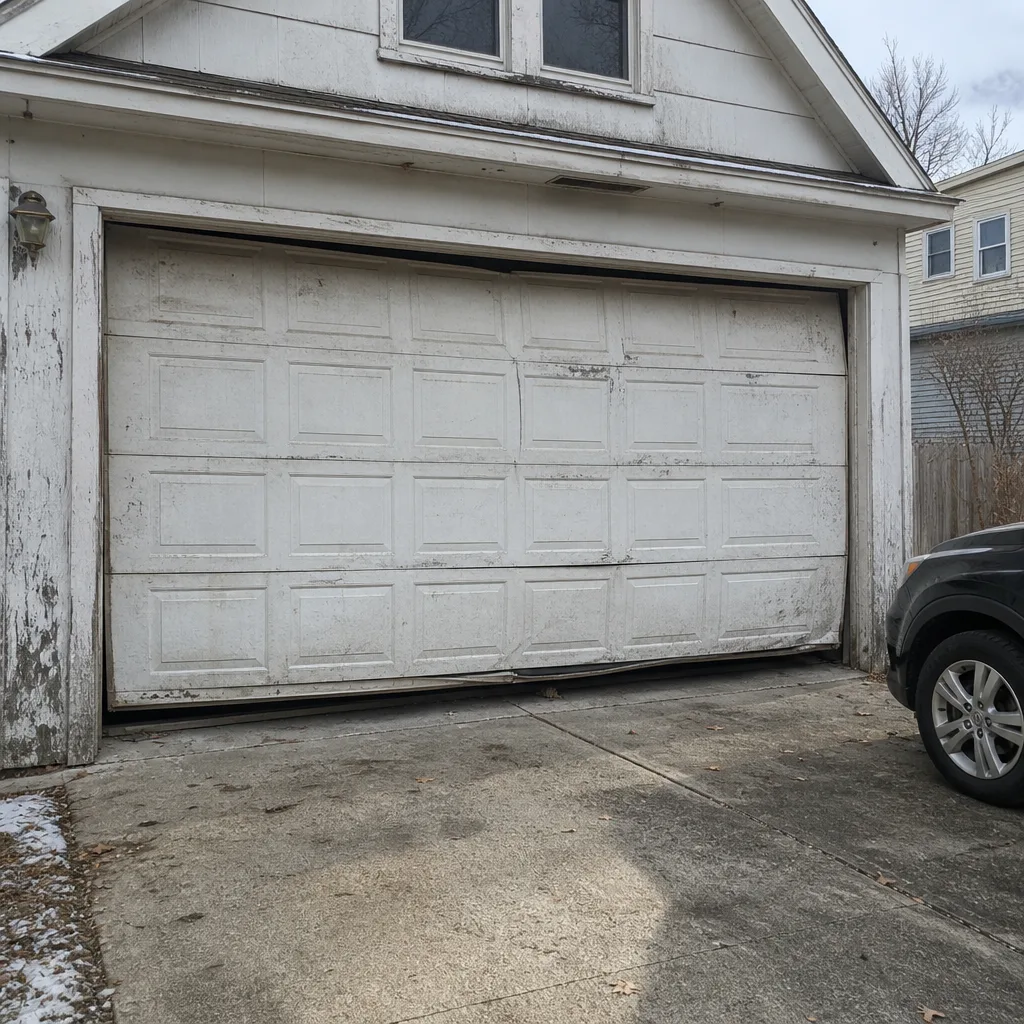 Before
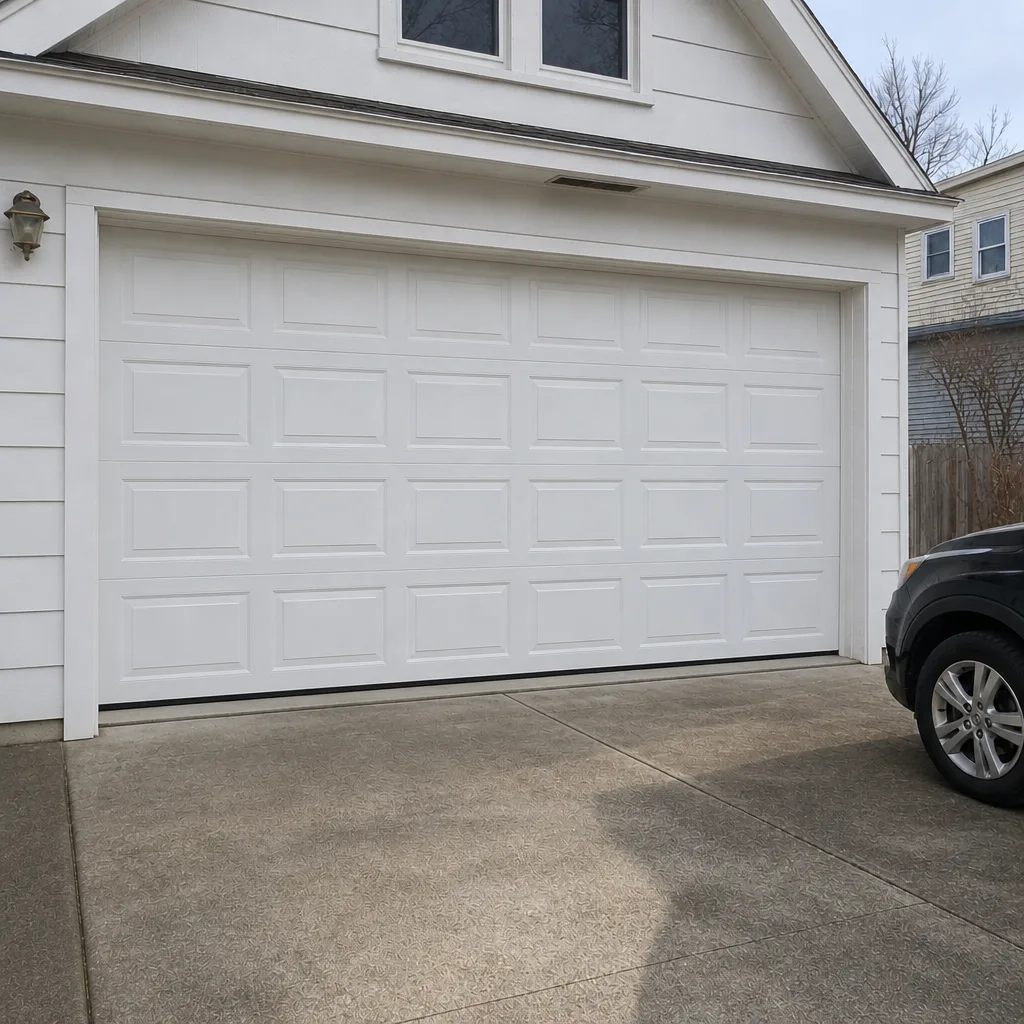 After
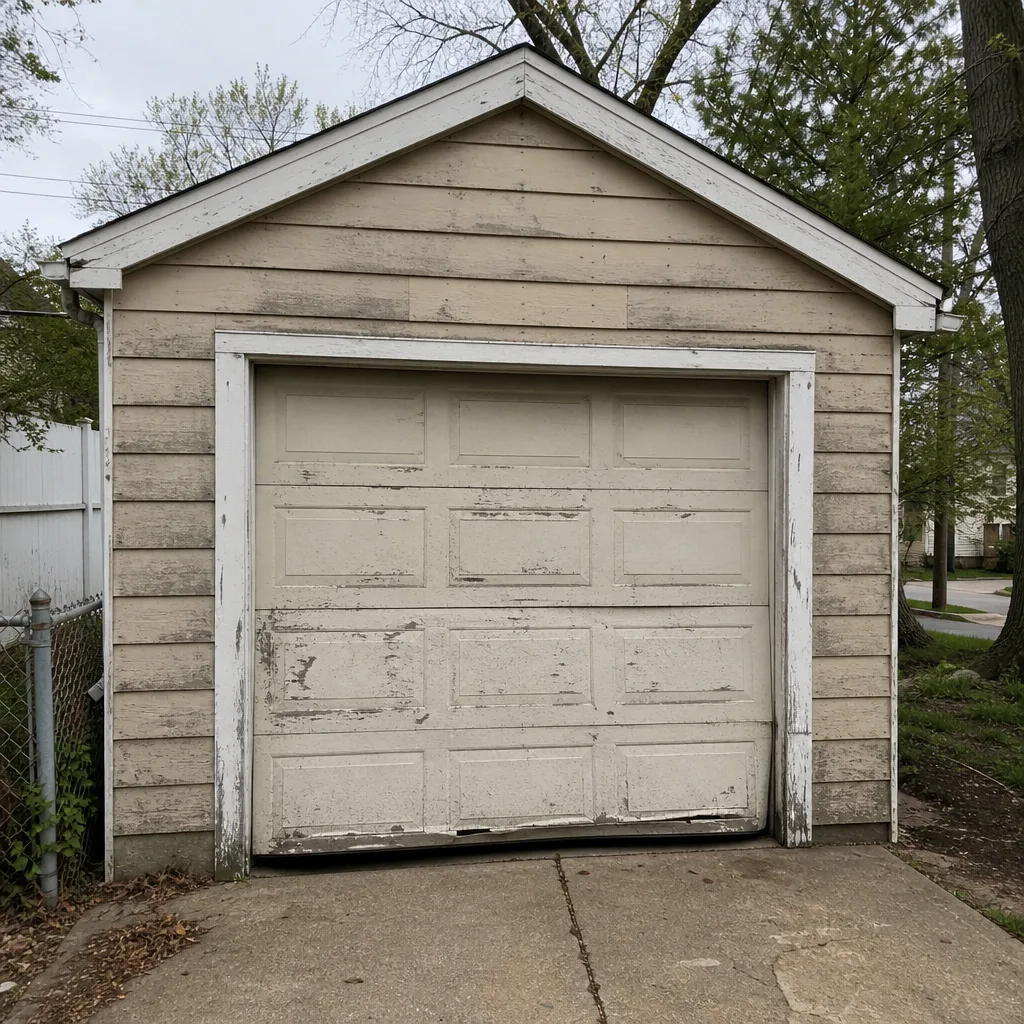 Before
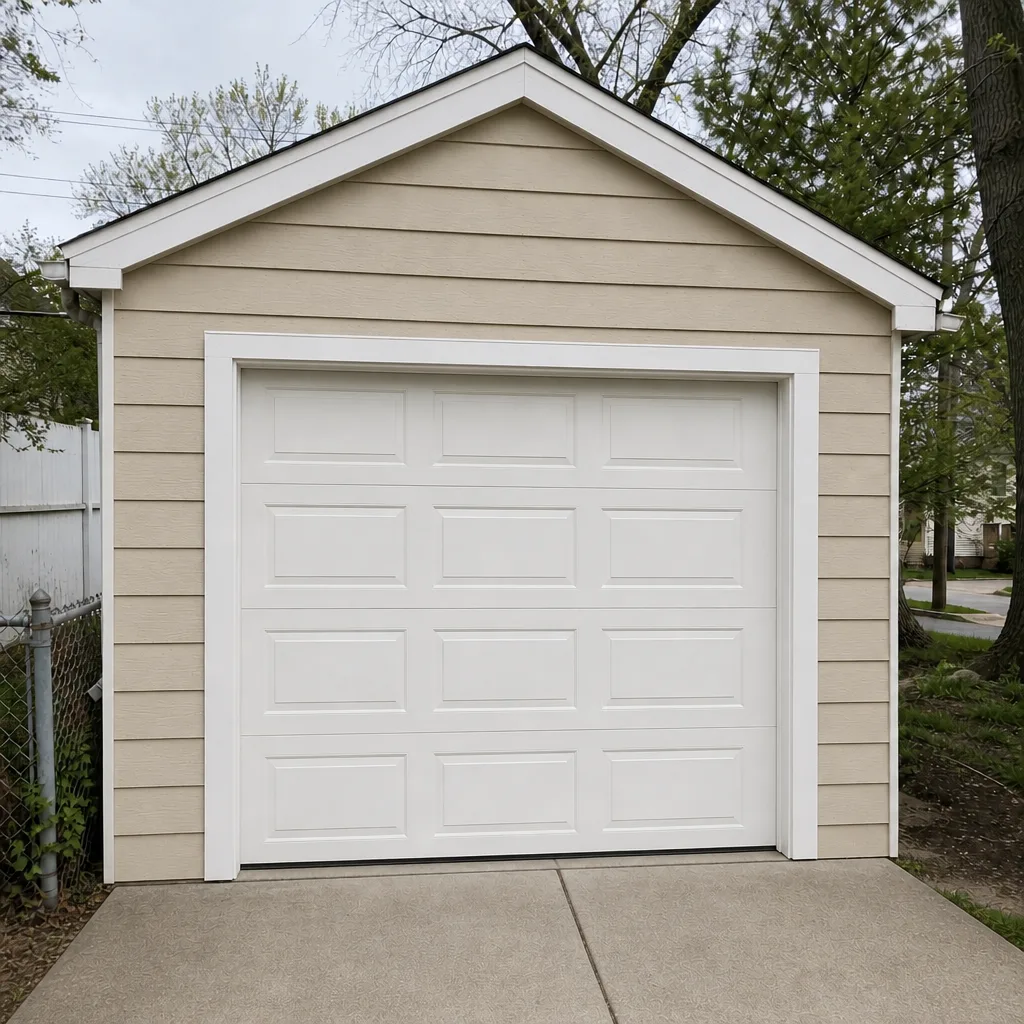 After
When to Call a Professional
Call us when a door project needs a licensed professional to lay out the scope and the paperwork in the right order: a full door replacement in Chelsea, a landmarked building where LPC review is the first step, a co-op or condo where board approval has to run alongside the city filing, or a structural change to the opening. We’re also the call when a door, spring or opener fails and you need the repair today, though a failure that requires a filing gets the same “file first, then work” sequence. Chelsea Garage Door Repair Pros offers free estimates in Chelsea, and we’ll tell you plainly which part of the project is permit territory and which part is a straight repair. Call (877) 492-1756 to book one. Emergencies get a same-day response when a door won’t move and you’re locked out or exposed.
Frequently Asked Questions
Often yes, and more often than most homeowners expect. A full garage door replacement in an existing opening commonly requires a Department of Buildings filing, and any replacement in one of Chelsea’s 11 landmark districts needs Landmarks Preservation Commission approval before a permit is issued. A like-for-like panel replacement can sometimes avoid a filing, but the scope decides it. Call (877) 492-1756 and we’ll help you sort out which side of the line your project is on.
Usually no. Swapping or repairing an opener, including a LiftMaster or Chamberlain upgrade, doesn’t change the door or the building’s structure, so it generally sits outside permit territory. The exceptions are when the opener work is bundled with door replacement or an opening change, since the filing then follows the larger scope. When in doubt, a quick call to the city’s building department settles it.
Timelines vary by filing type and building, and there’s no single answer, but the paperwork sets the calendar, not the door. A no-filing job like an opener swap is the same day. A simple Alteration-2 filing with a door replacement is commonly a multi-week process, and a landmarked building’s LPC review adds time on top. Building in extra weeks for board approval matters just as much in a co-op or condo.
Alt-1 is a Department of Buildings alteration that changes the building’s use, egress or occupancy. Alt-2 is an alteration for any other scope. Most garage door replacements in an existing opening are Alt-2 because the door doesn’t change how the building is used. A door project that changes the opening’s structural extent or alters egress can push the filing into Alt-1 territory, and that’s a call for a licensed professional, not a guess. Our team can lay out the scope so you know which filing you’re facing.
You can be required to restore the original appearance at your own expense. That’s the outcome we warn every Chelsea homeowner about, because it can mean buying a second door and paying for a second installation after the building was already done. The LPC’s designation maps and landmark lists are public, so check your address before ordering. If you’re not sure your building is in a district, call (877) 492-1756 and we’ll help you check the category before any work is quoted.
Yes. Proprietary leases and condo bylaws commonly require board approval before any work touches the building’s structure or exterior, and a shared garage door is usually building property even if only one unit uses it. The board’s rules sit on top of the city’s requirements, so both approvals usually have to happen before the door goes in. Submitting the board application at the start is the difference between a smooth project and a stalled one.
It can. A title search can flag an open permit or work done without a filing, and that can hold up a sale until it’s resolved. An open permit is usually closed out with an inspection; unpermitted work often has to be documented and filed retroactively, and an LPC violation can require restoration. Keeping the paperwork from the start is the cheapest cure there is.
The Bottom Line
In Chelsea, the paperwork question is simpler than it looks once you split it into two parts: what the city requires, and what the building requires. Opener swaps and spring repairs sit outside permit territory. Full door replacements often need a DOB filing, and landmarked buildings need LPC approval before a permit is issued. A co-op or condo adds a board layer that can stop a project on its own. The one mistake with a long tail is work done without the filing that was needed, because the flag can surface at sale when the paperwork is hardest to fix. Confirm the category before you order a door, have any permit closed out, and you’ll never be the owner explaining a violation to a buyer. Our technicians have up to 9 years of experience and can walk a Chelsea project through the city and building steps in the right order.
Call Chelsea Garage Door Repair Pros at (877) 492-1756 for a free estimate on any garage door repair, opener, spring, or installation project in Chelsea. We’ll tell you plainly what’s permit territory and what’s a straight repair.
Written by the team at Chelsea Garage Door Repair Pros.