Last updated November 21, 2026
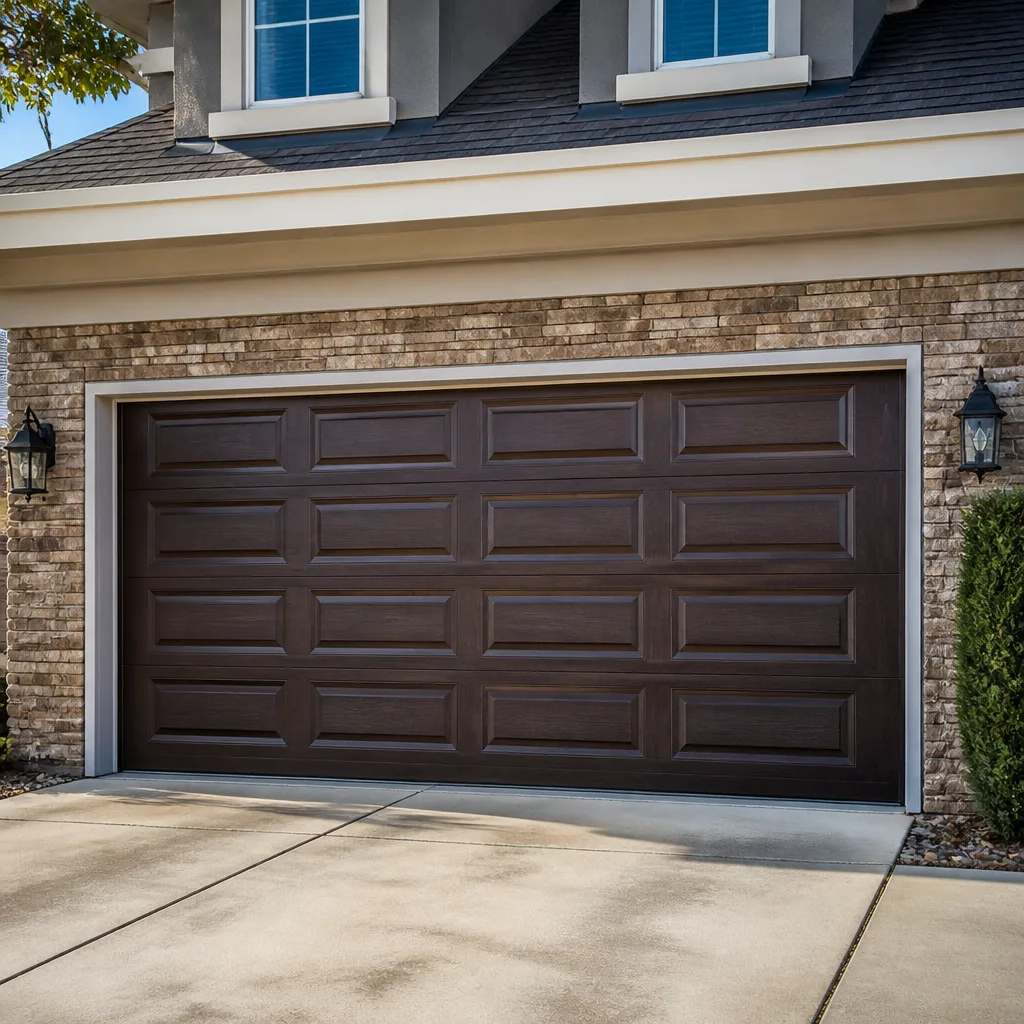 Raised-panel steel
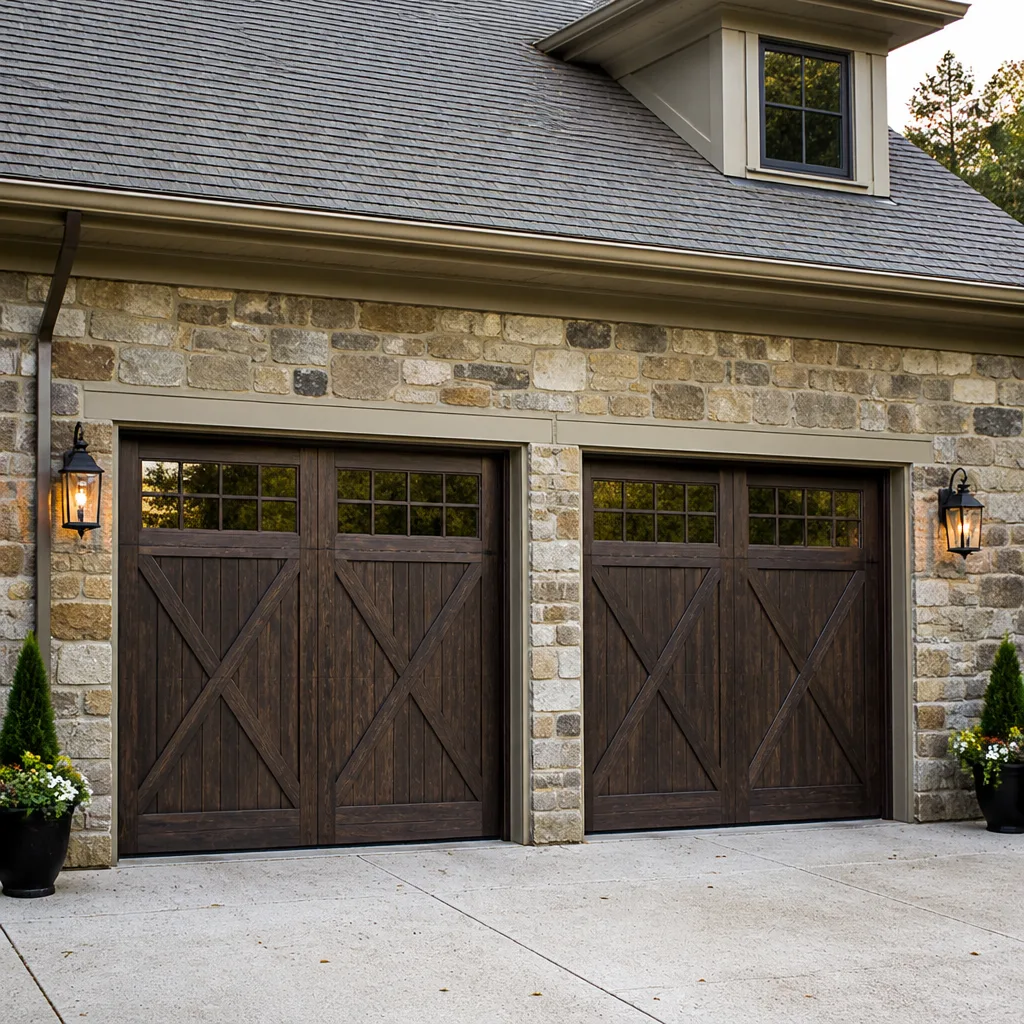 Carriage house
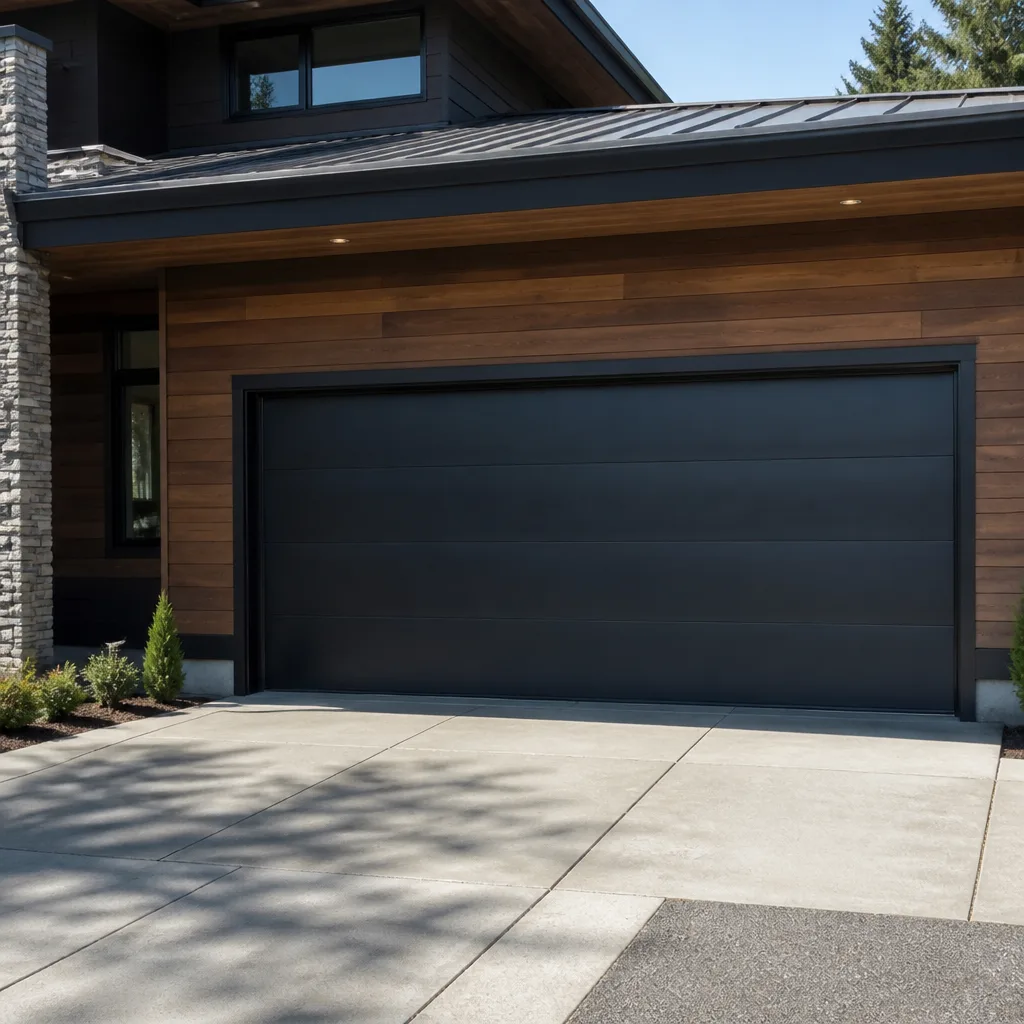 Modern flush
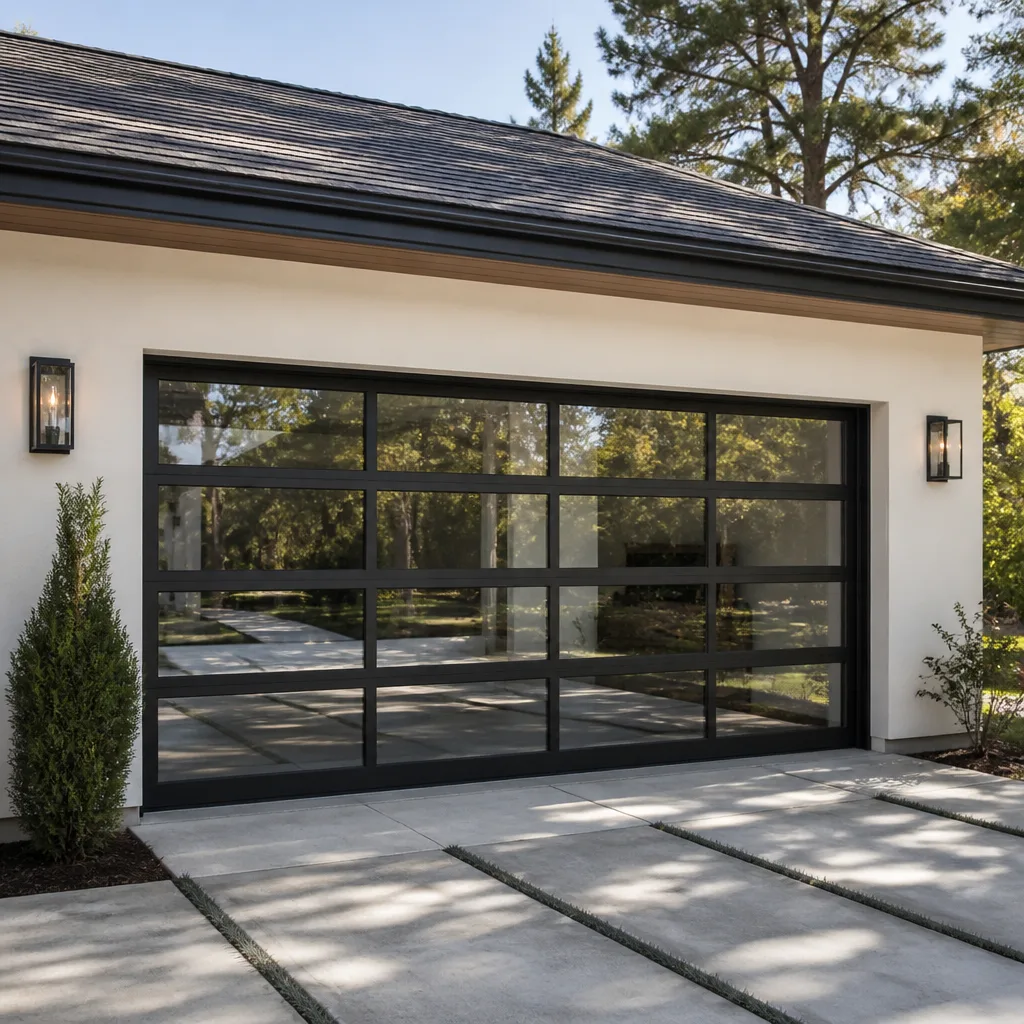 Full-view glass
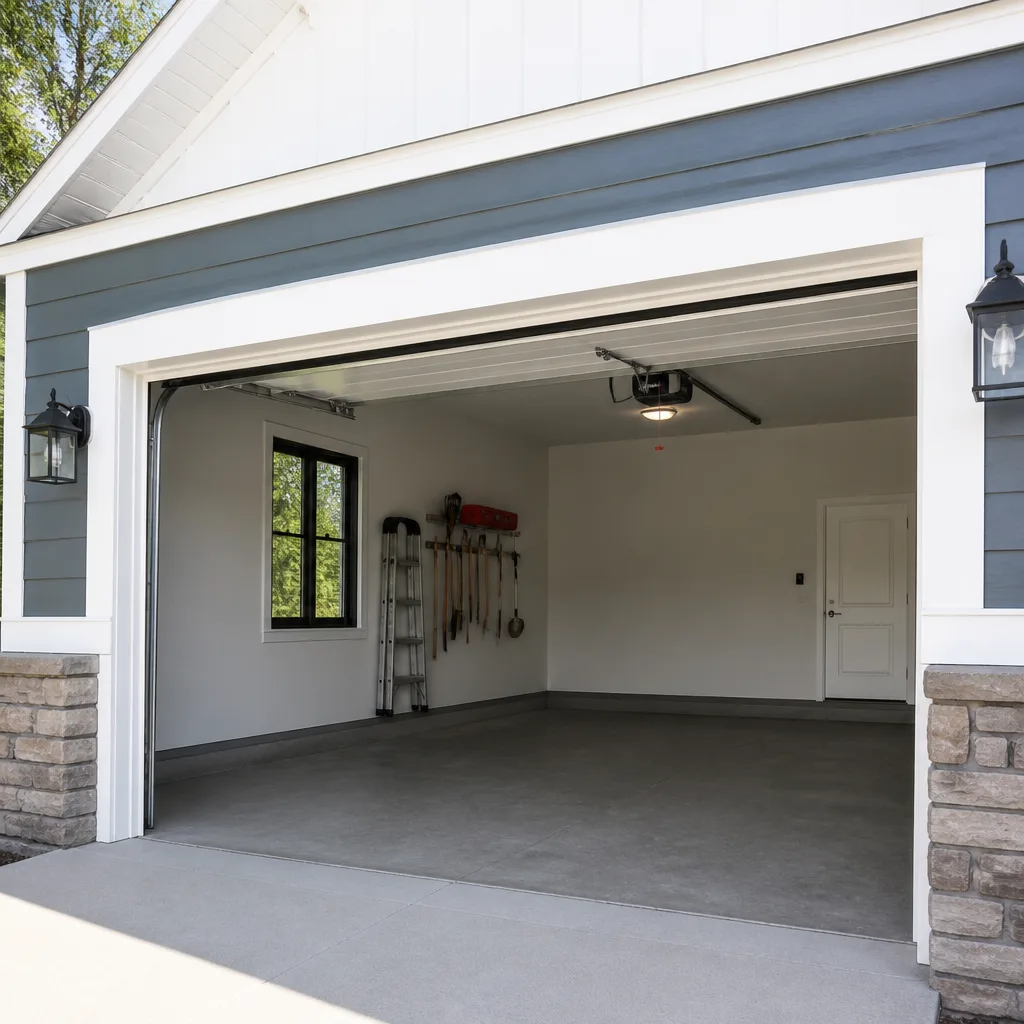 LiftMaster openers
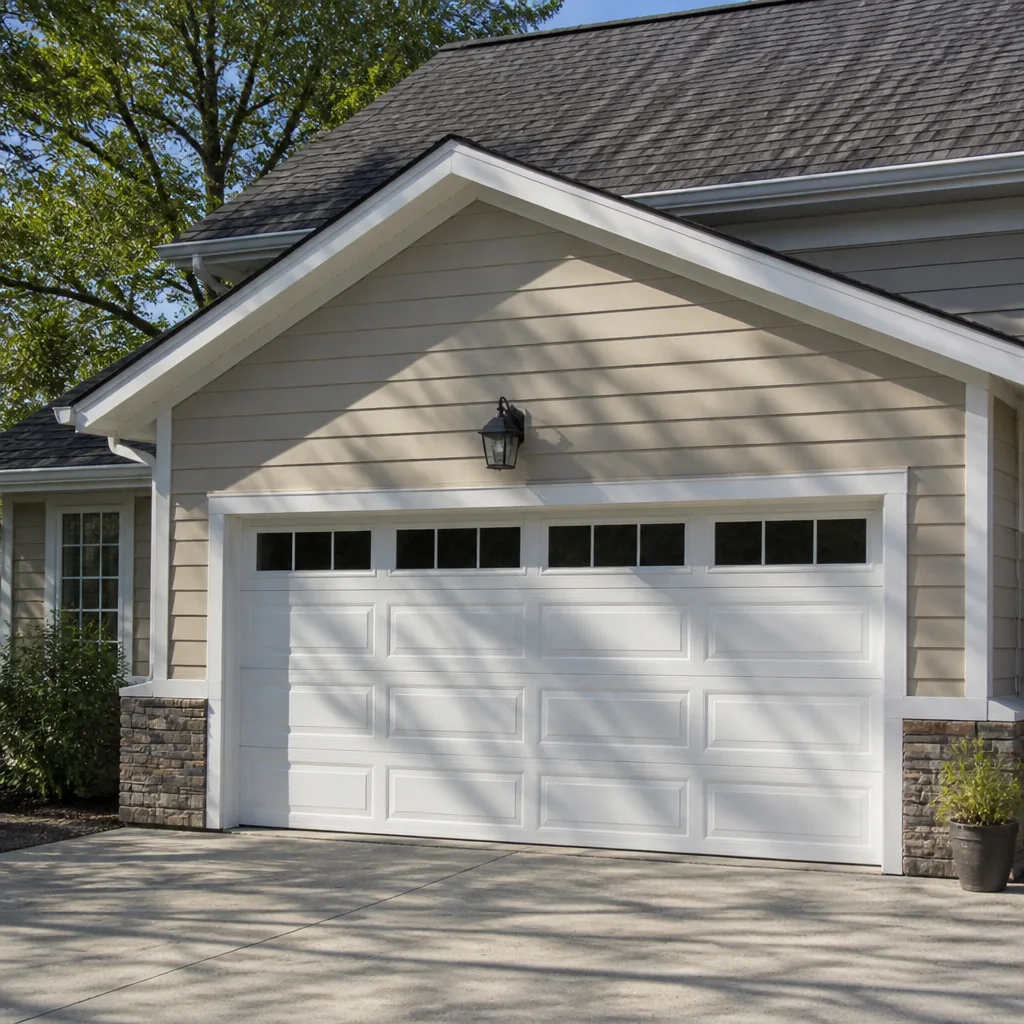 Chamberlain openers
Full 25-point door and opener safety check with every visit - springs, cables, rollers, tracks, and your LiftMaster or Chamberlain opener included
You get a price before we start. It does not change when the pro arrives.
Get your free estimateDIY vs Professional Garage Door: The Chelsea Homeowner’s Decision Guide
Most garage door advice online assumes you have room to work. A torsion spring tutorial filmed in a suburban three-car garage with six clear feet on either side does not translate to a Chelsea carriage bay where the winding bar has a few inches of swing room before it meets a shared wall. The technique is identical on paper. The margin for error is not. In a Chelsea garage, the physics of a loaded torsion spring and the geometry of the bay decide the job, not how handy you are or how many videos you’ve watched. This guide draws hard lines by task type: which jobs are genuinely safe to do yourself, which are categorically not, and where a professional keeps you, your door, and your building out of trouble.
Quick Answer
Some garage door tasks are fine to do yourself – weatherstripping, roller lubrication, remote reprogramming, sensor alignment. Others, especially torsion spring work, cable drum adjustment, and mounting a header bracket into masonry, are not safe to attempt in a Chelsea garage bay regardless of skill level, because the stored energy and tight clearances leave no recovery room. Anything involving the spring, cables, or structural anchoring belongs with a trained technician; the rest you can reasonably handle with basic tools.
Styles & brands we work with
- Raised-panel steel
- Carriage house
- Modern flush
- Full-view glass
- LiftMaster openers
- Chamberlain openers
Table of Contents
- The Hard Stop List: Tasks That Are Never DIY
- Legitimate DIY Tasks You Can Do Safely
- How Chelsea’s Physical Constraints Change the Math
- The Liability Reality: NYC Rules, Co-ops, and Insurance
- DIY vs Professional: The Real Cost Comparison
- Why Brand Knowledge Matters More Than General Handiness
- When a Small Problem Becomes a Professional Job
The Hard Stop List: Tasks That Are Never DIY
A torsion spring on a standard residential door holds enough stored energy to break bones or worse when it releases unexpectedly. This is not a “be careful and watch a video” situation. It’s a job where trained technique and the right winding bars are the difference between a repair and an injury. In our experience, the failures we see from attempted DIY spring work are always worse than the original problem.
These tasks are categorically non-DIY, no exceptions:
- Torsion spring winding and replacement. The spring must be de-tensioned and re-tensioned in controlled quarter-turns using proper winding bars. A slip under load can send a bar across the bay or into you.
- Extension spring replacement. Older Chelsea doors often use extension springs that run along the horizontal tracks. When they fail they can snap toward anyone standing nearby, and the safety cables many older doors lack are exactly what prevents that.
- Cable drum adjustment. Cables are under the same tension as the spring. A cable that slips off a drum can whip with serious force, and re-seating it requires the spring to be de-tensioned first.
- Header bracket mounting on masonry. The header bracket carries the full weight and pulling force of the door and opener. Anchoring into brick or block in a Chelsea building requires the right fasteners and an understanding of what’s behind the surface, not a drill and a hope.
- Track realignment after an impact. A bent track can look repairable, but forcing it back into line loads the panels and rollers unevenly and often turns a track problem into a full panel replacement.
If your door won’t open, the spring is broken, or a cable is loose or hanging, stop. Don’t test it “just once” to see if it moves. Call Chelsea Garage Door Repair Pros – a trained technician can diagnose the failure and get your door back on track today. Spring repair done right the first time is always cheaper than the correction that follows a failed attempt.
Legitimate DIY Tasks You Can Do Safely
Not every garage door job needs a professional. Plenty of small maintenance tasks are well within reach for a careful homeowner with basic tools and no specialized equipment. Doing these yourself keeps the door running smoothly and saves a service call. Here’s what we consider genuinely safe:
- Weatherstripping replacement. The rubber or vinyl seal along the bottom of the door is a wear item. Pull the old strip out of its retainer, slide in a new one cut to length, and close the door to check the seal against the floor. This is a fifteen-minute job with a utility knife and no springs involved.
- Roller cleaning and lubrication. Wipe down the rollers and the inside of the tracks with a rag, then apply a silicone-based lubricant to the rollers, hinges, and spring coils. Never use grease on the tracks – it collects grit and gums up the works.
- Opener remote reprogramming. If a remote stops working, it’s usually a pairing issue, not a failed opener. Most LiftMaster and Craftsman openers have a learn button on the motor housing; press it, then press the remote button within the window the opener allows. The manual for your model has the exact sequence.
- Safety sensor alignment. The two small sensors at the bottom of the tracks need to face each other and see a clear line. If the door reverses immediately on closing, check that nothing is blocking the beam and that both sensors have a solid indicator light. Nudge them back into alignment by hand.
- Visual inspection. Once a month, look at the springs for gaps or rust, check the cables for fraying, and listen for unusual noise when the door moves. Catching a problem early is the cheapest repair you’ll ever make.
If a task on this list turns up something else – a frayed cable, a spring with a visible gap, a track that’s clearly bent – treat that as the end of the DIY session. Those are the signals to stop and call for garage door repair.
How Chelsea’s Physical Constraints Change the Math
Garage door repair advice written for suburban homes assumes space. A typical suburban garage gives a technician room to stand beside the door, swing a winding bar through a full arc, and step back if something goes wrong. Chelsea’s building stock doesn’t offer that. Low headroom is common in older carriage bays and converted ground floors, which means the torsion spring sits closer to the ceiling and the winding bar has less vertical clearance. Narrow single-car bays leave a few inches between the door edge and the wall, so there’s no safe place to stand clear of a loaded spring while working on it.
Shared walls add another layer. In a Chelsea rowhouse or co-op building, the garage often shares a wall with a neighbor’s unit or a common hallway. A door that gets forced off its track during an amateur repair doesn’t just damage your door – it can damage the shared structure, and that turns a door problem into a building problem. We’ve seen doors in tight Chelsea bays where a bent track pushed into a party wall because someone tried to muscle it back into alignment.
Low headroom also changes which opener and spring setup fits. A door that was originally fitted for a low-clearance installation can’t be swapped to a standard high-lift setup without measuring the actual clearances. That’s a job that requires knowing what you’re looking at. If you’re considering a new door rather than a repair, garage door installation in a tight bay is a measurement-and-fit problem, not a bolt-on job.
So the practical rule for Chelsea is: any task that requires you to stand beside or under the door while it’s under tension is off the table. The safe DIY list doesn’t depend on clearance. The hard stop list absolutely does, and Chelsea’s bays don’t give it to you.
The Liability Reality: NYC Rules, Co-ops, and Insurance
This is the part most DIY guides skip entirely. In New York City, work on a garage door that involves structural anchoring – header brackets, track mounting, anything tied into the building frame – falls under rules that govern home improvement work. The New York City Home Improvement Contractor law (often called HIC) requires anyone performing home improvement work for a homeowner to be licensed by the Department of Consumer and Worker Protection. When you do the work yourself, you’re outside that framework, and that has real consequences.
If your garage is part of a co-op or a building with shared garage space, the co-op’s alteration agreement almost always requires licensed and insured contractors for any structural work. Doing it yourself can violate the building’s rules and expose you to fines or a demand to undo and redo the work at your cost. Check with your building’s management before touching anything anchored to the structure.
Homeowner’s insurance is the other piece. Most policies cover sudden damage, but many exclude damage from work you performed yourself without a permit or a licensed contractor. If a self-installed header bracket fails and the door comes down on a car or a person, the claim can be denied. The same goes for water or structural damage traced back to unpermitted work. Before you pick up a drill for anything anchored to the building, ask your insurer what your policy says about self-performed structural work. It’s a five-minute call that can save you a much larger problem.
The takeaway isn’t that every garage door task needs a permit. It’s that the tasks with structural or liability exposure are the ones worth handing to a professional. Weatherstripping and lubrication carry no such exposure. Spring work and header brackets do.
DIY vs Professional: The Real Cost Comparison
The honest cost comparison isn’t “the part costs less than the service call.” It’s the full picture: tool rental, parts sourcing in NYC, the value of your time, and the cost of a DIY repair that damages something requiring professional correction. Here’s how the numbers typically shake out for common tasks. These are estimates; the written quote from a technician is the final word.
| Task | DIY Cost (typical) | Professional Cost (typical) |
|---|---|---|
| Weatherstripping replacement | $15-$40 for the seal | $120-$220 installed |
| Roller lubrication and tune-up | $10-$20 for lubricant | $100-$180 |
| Remote reprogramming | $0 | $75-$150 service call |
| Safety sensor alignment | $0 | $75-$150 service call |
| Torsion spring replacement (one spring) | Not recommended at any cost | $180-$340 per spring |
| Extension spring replacement (one spring) | Not recommended at any cost | $150-$280 per spring |
| Opener repair (board, gear, or motor) | Not recommended | $150-$400 depending on part |
| Panel replacement after impact | Not recommended | $300-$800 per section |
A matched pair of torsion springs is usually replaced together, so a pair runs about twice the single-spring range. The spring price above is for one spring, and the technician will tell you at the estimate whether your door needs one or both.
The hidden cost of DIY shows up in the correction. If you order the wrong spring gauge online – and it’s easy to get the wire diameter or inside diameter wrong – you’re out the part cost and the time, and you still need a technician. If a DIY attempt bends a track or cracks a panel, the correction can run into the hundreds. And the tool rental for spring work (winding bars, proper clamps) is money spent on tools you’ll use once. For spring or opener work, professional is usually cheaper once you count the correction risk. For weatherstripping and lubrication, DIY genuinely wins on cost. For more on what opener work involves, see garage door opener repair.
Why Brand Knowledge Matters More Than General Handiness
Garage doors aren’t one product. A Wayne Dalton door uses different spring and track geometry than a Raynor, and an opener from LiftMaster has different electronic logic than one from Genie or Craftsman. A general handyman who’s “good with tools” has to guess at the brand-specific details, and guessing is how a repair becomes a replacement.
Our technicians have up to 9 years of experience and are trained on eight major garage door brands: LiftMaster, Chamberlain, Genie, Clopay, Amarr, Wayne Dalton, Craftsman, and Raynor. That means when we look at your door, we’re not reverse-engineering it. We know how a Wayne Dalton spring system is set up, how a LiftMaster opener’s safety reversal circuit behaves, and where the common failure points are on each. Brand-specific diagnosis is the difference between replacing the right part the first time and replacing three parts trying to find the problem.
This matters even more for older Chelsea doors. Many bays still have doors from brands that are no longer the market leaders, and parts availability varies. Knowing the brand tells us where to source the right component instead of adapting a generic part that fits poorly. It’s also why we handle installation and repair as one scope – if we installed your door, we can service it, and there’s no gap where the installer won’t touch what a repair tech worked on. When you’re ready to compare a repair against a new door, our garage door repair team can walk you through both.
When a Small Problem Becomes a Professional Job
Some problems start small and turn into professional jobs fast. A door that’s slightly harder to lift than it used to be usually means a spring is losing tension or a cable is binding – both are spring-side jobs. A door that reverses on its own after you’ve aligned the sensors points to an opener logic problem, not a sensor problem. A grinding noise from the opener housing often means a stripped gear, and that’s a part replacement inside the unit.
The other scenario is timing. If your door fails and blocks your car, compromises the security of the garage, or shuts down a business that depends on it, the calculus changes. Emergency garage door service exists for exactly that moment, and it’s a core part of what we do, not an upsell. When your door won’t move and you need it working, call us and we’ll get a technician out.
Common Mistakes to Avoid
- Testing a broken door “just once.” If a spring is broken or a cable is hanging, running the opener can pull the door off its tracks or snap a cable. Leave the door closed and call for service.
- Using the wrong lubricant on the tracks. Grease and WD-40 attract grit and gum up the tracks over time. Silicone-based lubricant on the rollers and hinges is the right choice; leave the tracks themselves clean and dry.
- Ordering a replacement spring by door size alone. Springs are matched by wire gauge, inside diameter, and length, and getting any one wrong means the door won’t balance. Measure the old spring or have a technician match it.
- Forcing a bent track back into line. A track that’s been bent needs to be replaced, not straightened. Forcing it loads the panels unevenly and often cracks them, turning a small repair into a full panel job in a Chelsea bay where replacement panels are harder to fit.
- Skipping the building management conversation. In a Chelsea co-op or shared-wall building, structural work on the garage almost always needs the building’s sign-off. Check before you start, not after.
- Ignoring a stripped opener gear. A grinding opener that still opens the door is a gear on its way out. Waiting means the door eventually stops mid-cycle, often with a car trapped inside.
- Assuming a suburban tutorial applies. Clearance, headroom, and wall construction in a Chelsea garage bay are different from a suburban one. A technique that works with six feet of swing room doesn’t work with six inches.
See the difference
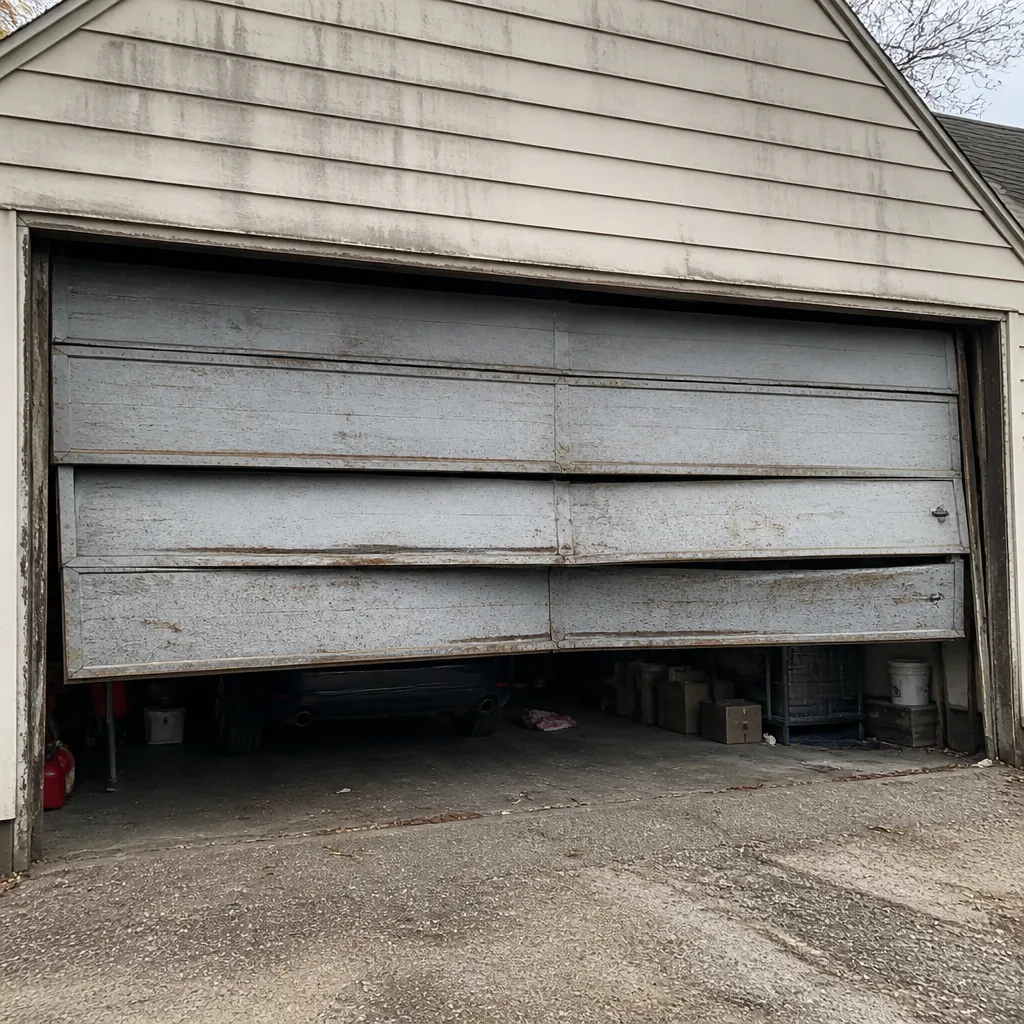 Before
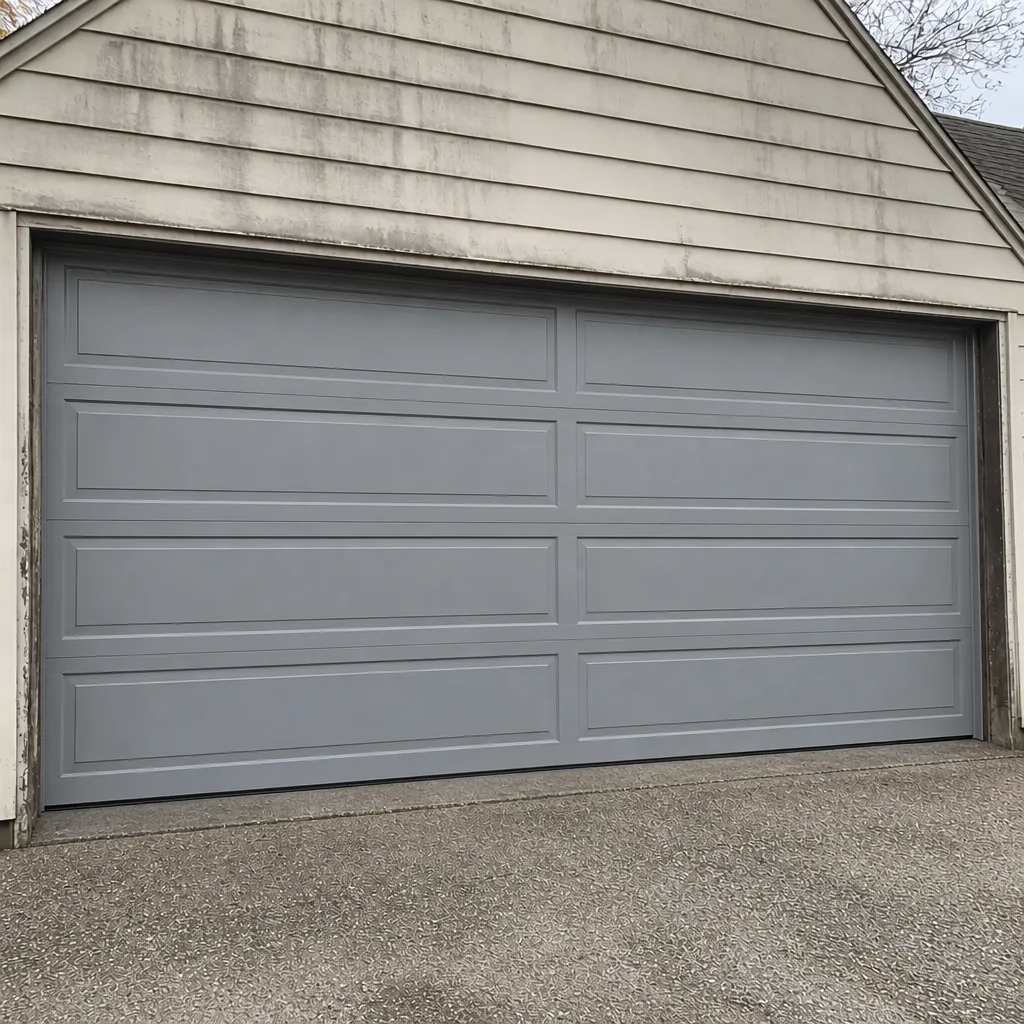 After
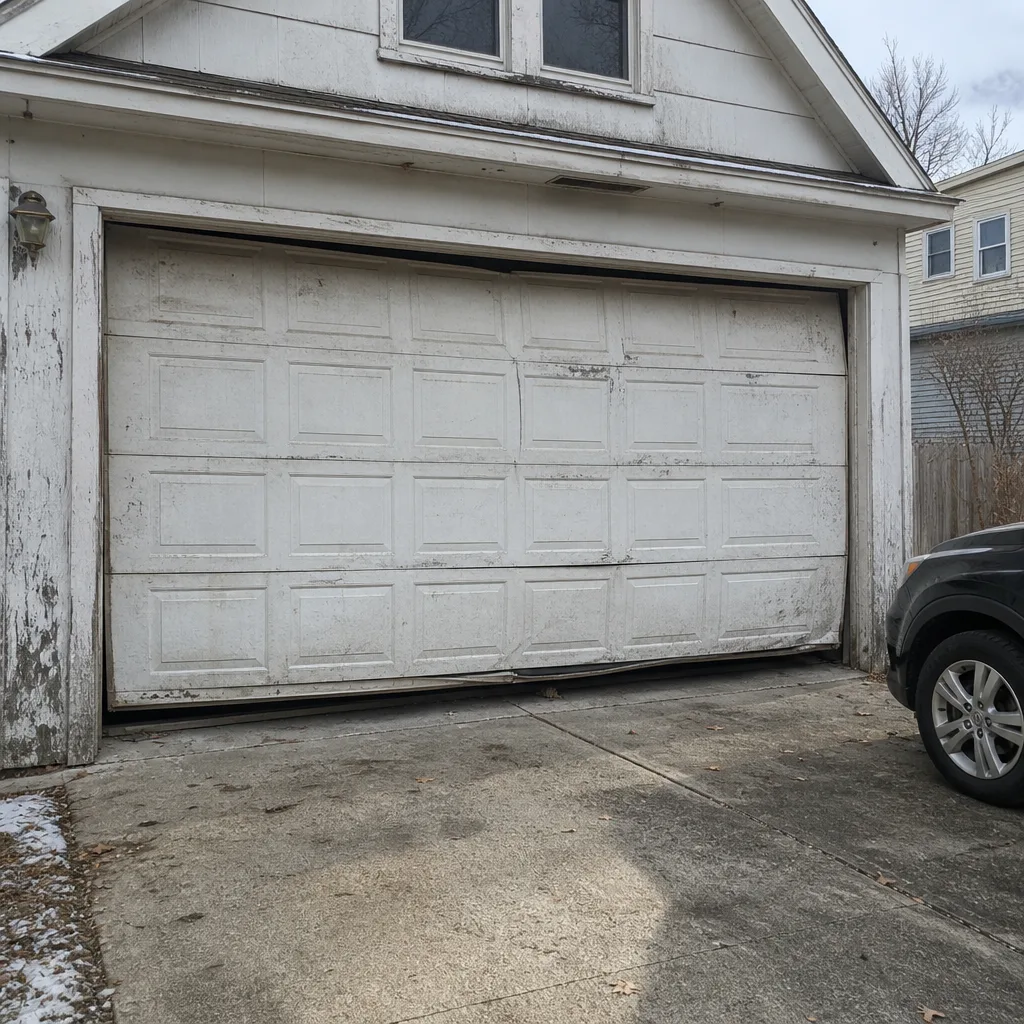 Before
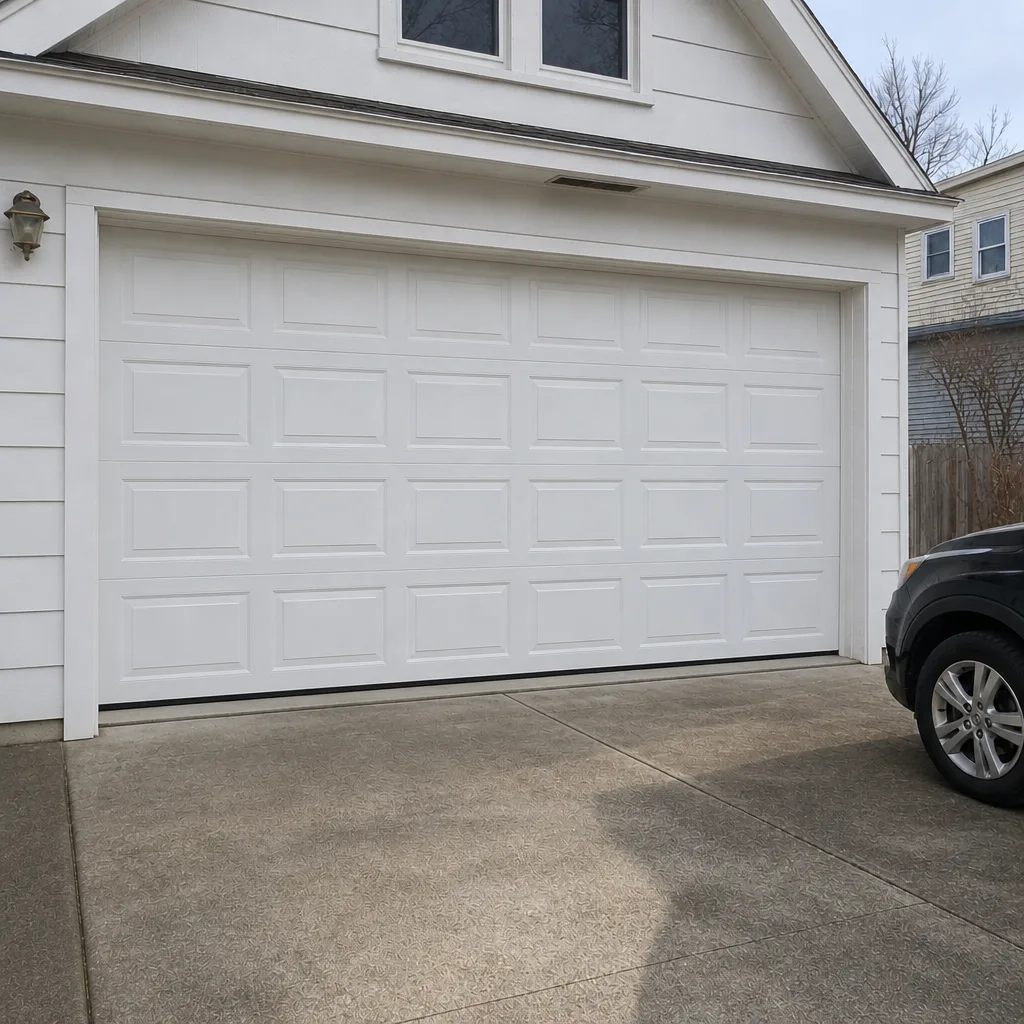 After
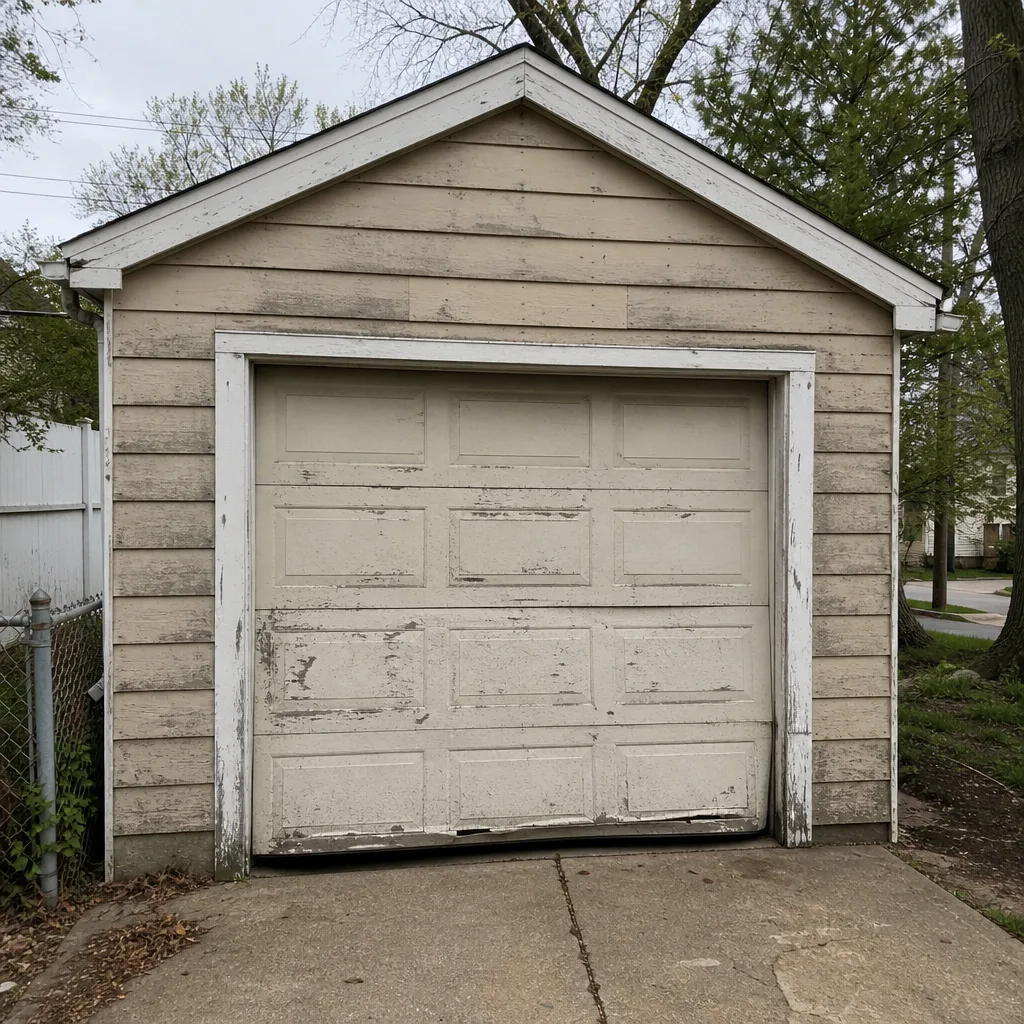 Before
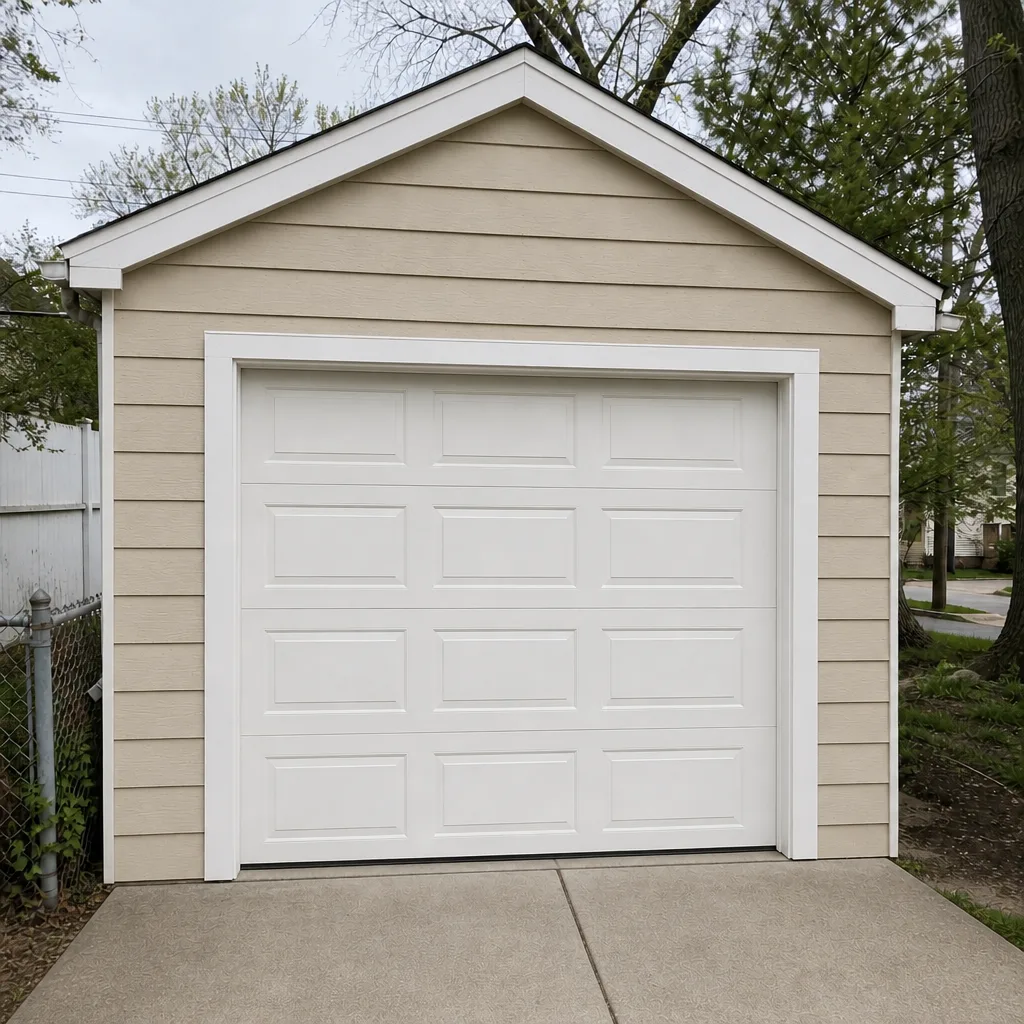 After
When to Call a Professional
Call a professional the moment the job touches the spring, the cables, the tracks, or anything anchored to the building. That includes a broken torsion or extension spring, a cable that’s loose or off its drum, a door that’s come off its tracks, a header bracket that needs mounting into masonry, and any opener problem that persists after a remote reprogram and sensor check. Also call if your door is a security or access problem right now – a door stuck open or a door that won’t open with a car inside is an emergency, not a weekend project. Chelsea Garage Door Repair Pros offers free estimates in Chelsea – call (877) 492-1756 and we’ll assess the door, give you a written price before any work starts, and tell you honestly whether a repair or a new door makes more sense for your bay.
Frequently Asked Questions
No, and we’d strongly advise against it in any garage. Torsion and extension springs store enough energy to cause serious injury when they release, and Chelsea’s tight bays leave no safe room to work. Spring repair done right the first time by a trained technician is the only responsible route, and the typical cost is $180-$340 per torsion spring or $150-$280 per extension spring. Call (877) 492-1756 for a free estimate.
Torsion spring replacement in Chelsea typically runs $180-$340 for one spring, and extension spring replacement runs $150-$280 for one spring. A matched pair is usually replaced together, so a pair costs about twice the single-spring range. The written estimate sets the final price, and it’s agreed before any work starts. Call (877) 492-1756 for an exact quote – estimates are free.
Weatherstripping replacement, roller cleaning and lubrication, opener remote reprogramming, safety sensor alignment, and monthly visual inspections are all safe DIY tasks. None of them require you to work under spring tension or beside a loaded door. Anything involving the spring, cables, tracks, or structural anchoring should go to a professional.
No – the price you’re quoted is the price you pay. We assess the door, give you a written estimate, and get your agreement before any work starts. If we find something during the job that changes the scope, we stop and talk to you before doing anything that adds cost. Call (877) 492-1756 for a free estimate.
The local pros we connect you with are licensed and insured as New York requires, and our technicians have up to 9 years of experience working on major garage door brands. For structural work in a Chelsea co-op or shared building, we can work within your building’s contractor requirements. Call (877) 492-1756 to discuss your door.
Yes – emergency garage door service is a core part of what we do, and we prioritize doors that are blocking a car, compromising security, or shutting down a business. Call (877) 492-1756 and we’ll book the soonest available technician. Have your door’s brand and a description of what happened ready, and don’t try to force the door open in the meantime.
The Bottom Line
The DIY-versus-professional question for a Chelsea garage door isn’t about confidence or skill. It’s about physics and geometry. Springs, cables, and structural anchoring are never DIY in a tight urban bay, no matter how many videos you’ve watched, because the stored energy and the clearance leave no room for error. Weatherstripping, lubrication, remote reprogramming, and sensor alignment are genuinely safe to handle yourself, and doing them keeps the door running well between professional visits. The tasks in between – opener diagnostics, track work, brand-specific repairs – are worth a call. Chelsea Garage Door Repair Pros works on LiftMaster, Chamberlain, Genie, Clopay, Amarr, Wayne Dalton, Craftsman, and Raynor systems, and one call covers the whole door. Call (877) 492-1756 for a free estimate and get your door back on track today.
Written by the team at Chelsea Garage Door Repair Pros.