Last updated November 21, 2026
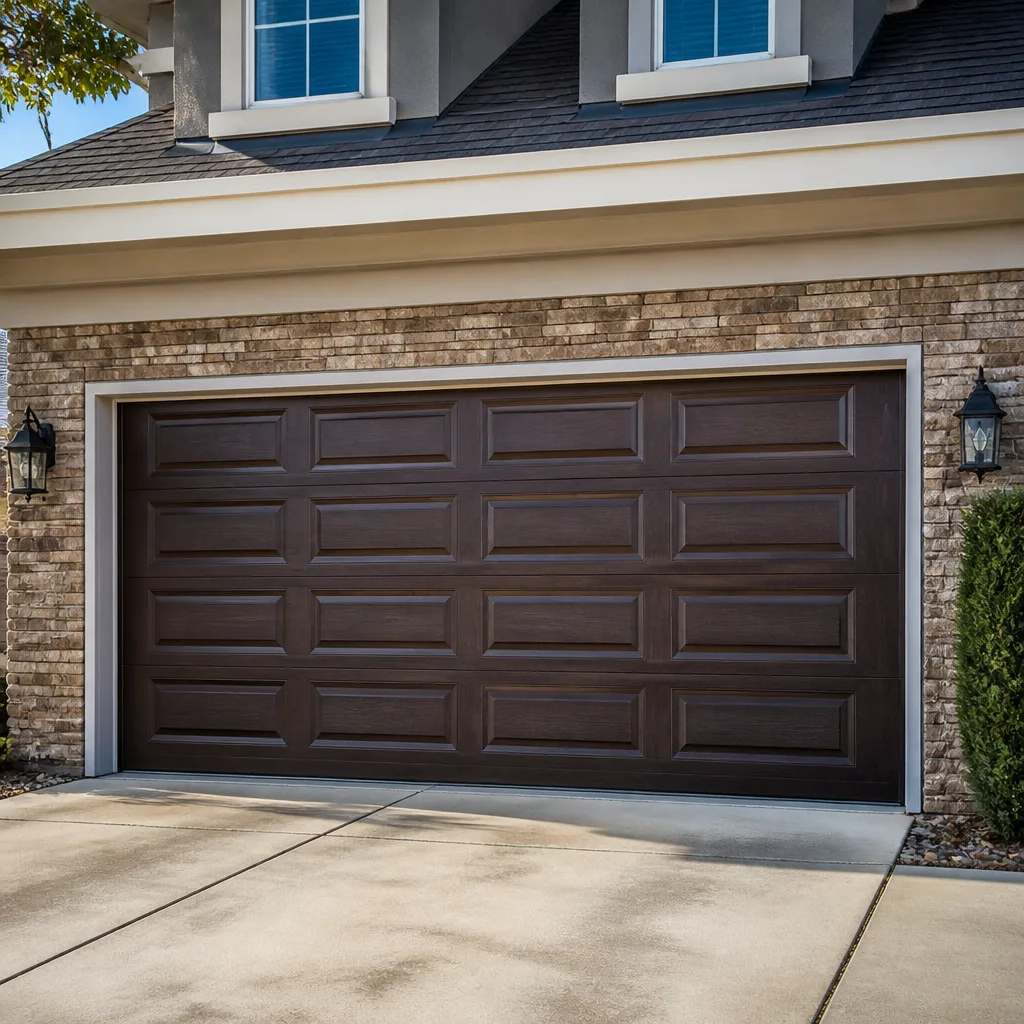 Raised-panel steel
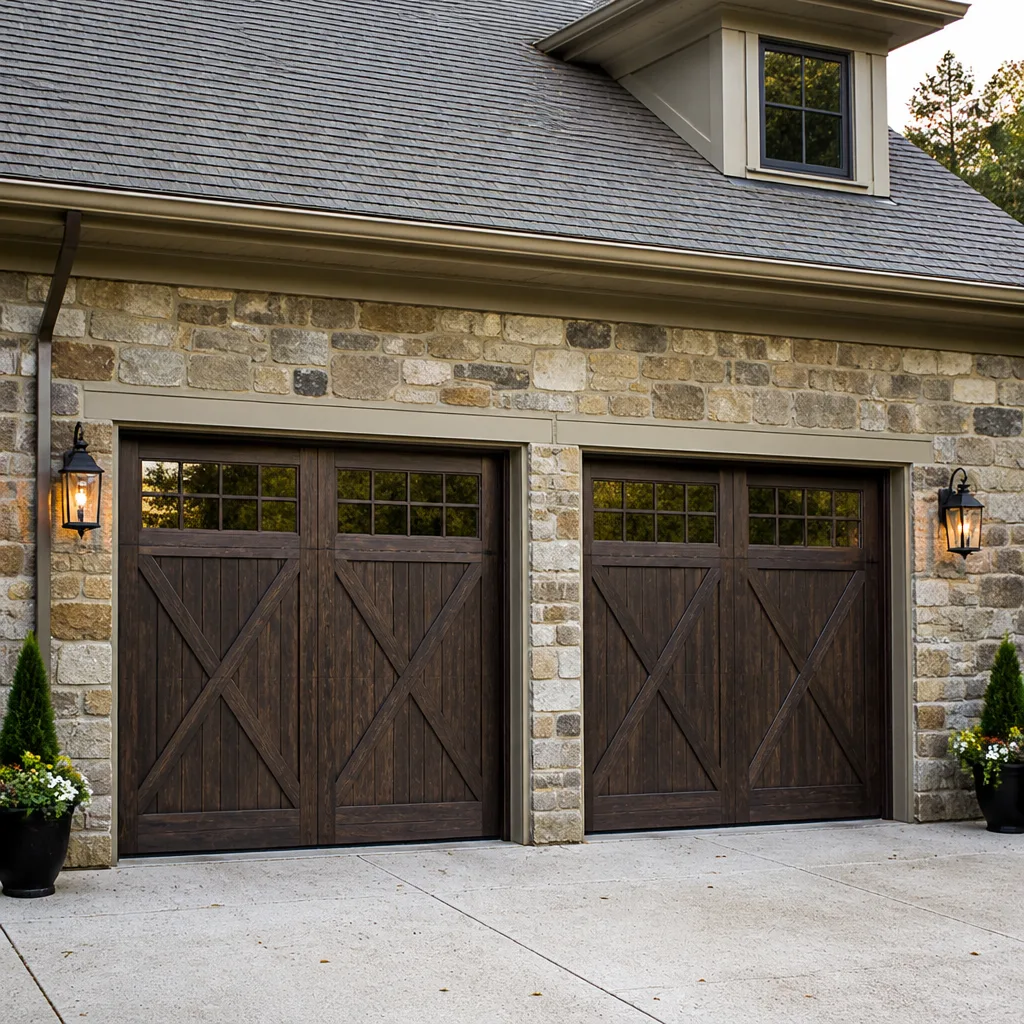 Carriage house
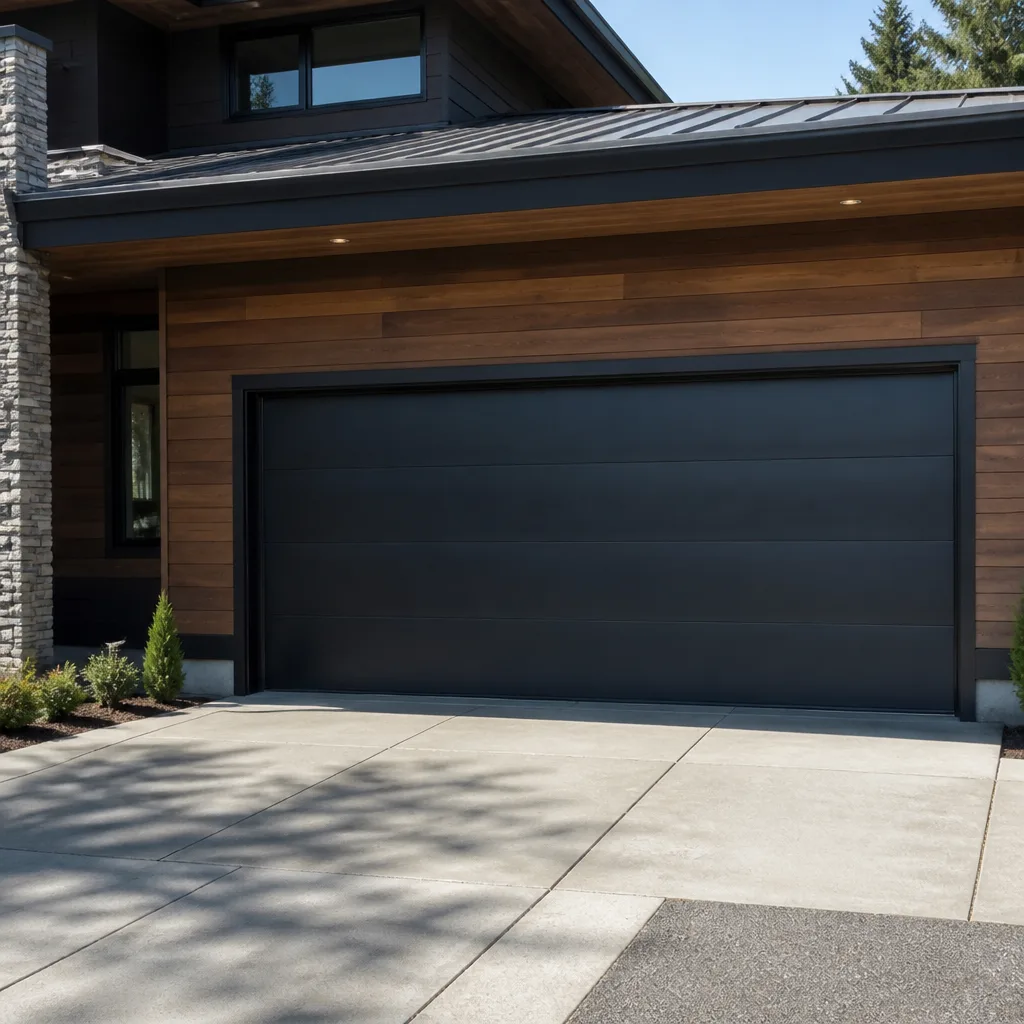 Modern flush
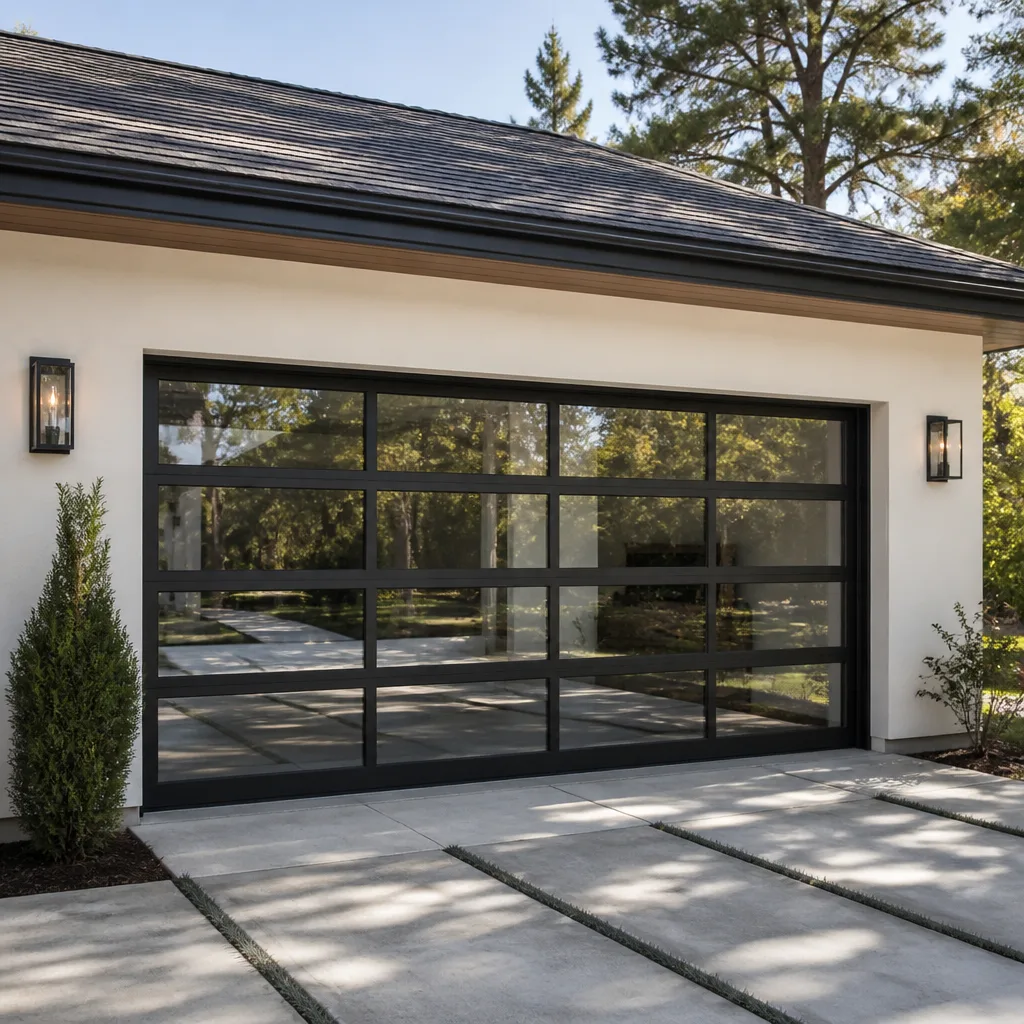 Full-view glass
 LiftMaster openers
 Chamberlain openers
Full 25-point door and opener safety check with every visit - springs, cables, rollers, tracks, and your LiftMaster or Chamberlain opener included
You get a price before we start. It does not change when the pro arrives.
Get your free estimateGarage Door Emergency Preparedness Guide for Chelsea Homes
Most garage door advice is written for a suburban driveway, where you can walk around the car, stand square in front of the door, and pull the release cord straight down. None of that works in a Chelsea garage where the front bumper sits 18 inches from a steel panel and the track runs along a ceiling so low you have to duck. The release cord is a small example of a bigger truth: in dense Manhattan blocks, a garage door failure is a different problem than it is anywhere else. You can’t wait a two-hour window when your car is trapped and your first meeting is at 8:30 a.m. and it’s in Midtown. This guide covers the emergency manual release, how to secure a door that’s lost spring tension, what to tell dispatch, how power outages play out in a shared electrical panel, and the three photos every Chelsea homeowner should have on their phone today.
Quick Answer
If your garage door in Chelsea won’t move or won’t stay up, first check whether the opener is still trying to run (motor noise, carriage moving) or whether it’s a mechanical failure (dead silence or a door that drops). A door that will not stay open after a spring failure is a fall hazard and must be propped and blocked before anyone walks under it. For a stuck door, pull the release cord straight down and slightly toward the operator, not sideways across your body, then move the carriage by hand. Then call (877) 492-1756 for emergency service so the right technician is sent with the right parts for your opener brand and door width.
Styles & brands we work with
- Raised-panel steel
- Carriage house
- Modern flush
- Full-view glass
- LiftMaster openers
- Chamberlain openers
Table of Contents
- Why Garage Door Emergencies Look Different in Chelsea
- How Do You Manually Release a Garage Door in a Tight Chelsea Bay?
- What Do You Do When a Door Loses Spring Tension and Won’t Stay Up?
- What Should You Tell the Dispatcher When You Call?
- What’s the Protocol During a Power Outage in Chelsea?
- The Three Photos Every Chelsea Homeowner Should Have Saved
- Preventive Checks Before You Ever Need an Emergency Call
- Common Mistakes to Avoid
- When to Call a Professional
Why Garage Door Emergencies Look Different in Chelsea
Chelsea is a neighborhood of converted carriage houses, small street-facing garages tucked under apartment buildings, and low-clearance bays cut into side blocks. The door hardware is the same hardware you’d find anywhere, but the physics of the space it lives in is not. That’s exactly why an emergency in this neighborhood demands a plan before you need it.
Three constraints come up over and over in this kind of work:
- Clearance. A standard one-car garage in the suburbs gives you three or four feet in front of the door. Many Chelsea bays give you 18 inches to two feet. That changes how you reach the release cord, how you stand when you pull it, and how far the door has to travel before it clears your car.
- Track configuration. Low ceilings often mean low-headroom track or a sectional door fitted with a high-lift conversion. On these setups, the horizontal track sits close to the ceiling, and the carriage has very little room to rock before it comes off the rail.
- Shared electrical service. Many Chelsea buildings have a shared panel serving multiple garages or a common meter room. A neighborhood-wide power dip can take out every opener on the block at once, which means if you’re calling during an outage, you’ll be one of many. That’s fine, but it changes what’s faster for you: manual operation may beat waiting for a truck.
When the opener is a belt-drive LiftMaster or Chamberlain, the door travels almost silently, so you might not notice the motor has stopped responding until you’re late. Chain-drive units, including many older Craftsman models, are louder and usually telegraph the problem. If you’re outside the neighborhood and want to understand the full range of what goes wrong, this overview of garage door repair covers the main failure modes.
How Do You Manually Release a Garage Door in a Tight Chelsea Bay?
The emergency disconnect cord on most LiftMaster and Chamberlain openers is designed to be pulled by someone standing square in front of the door, and that position is often impossible in a Chelsea garage. In a tight bay, the safest approach is to approach the cord from a slight angle, pull it downward and slightly toward the operator housing rather than sideways toward your body, and keep a firm grip on the door so the spring doesn’t snap it upward once the carriage disengages.
Here’s the sequence in order:
- Make sure the door is fully closed first. If it’s already partway up, don’t release it. A partially open door with a broken spring can drop the moment the carriage lets go.
- Stand to the side of the door, not under it. In a low-clearance bay, that means stepping along the wall, not standing directly in the path of the panel.
- Locate the release cord hanging from the carriage. On belt-drive operators, it’s usually red and hangs shortest; on chain-drive it’s often longer with a T-handle.
- Pull down and slightly toward the operator rail with a single firm pull. Do not yank it sideways across your body; that’s what derails the carriage on a low-headroom track.
- Let go of the cord once the carriage clicks free. It’ll stay disengaged.
- Lift the door slowly by hand from the bottom handle, and walk it up, keeping your hands clear of the hinge points. On a door with healthy springs, it should feel manageable. On a door with a broken spring, it will feel much heavier, and you should not force it.
If the carriage does hop the rail, or the door won’t lift smoothly after release, stop. Forcing it is how a repair becomes a replacement, and the garage door opener repair work that follows is more complex than the release itself. Call for a technician at that point.
What Do You Do When a Door Loses Spring Tension and Won’t Stay Up?
A door that has lost tension and will not stay open is a fall hazard, not a minor inconvenience. The correct response is to leave it closed if it’s already closed, and if it’s open, prop it before anyone walks under it. A garage door weighs more than a person, and the spring is the only thing making that weight easy to lift. Without the spring, the door has no counterbalance, and it wants to come down.
Safety first: the counterbalance springs on a garage door are under very high tension, and both torsion springs (the coil on the shaft above the door) and extension springs (the coils running parallel to the horizontal track) store enough energy to cause serious injury. Never try to wind, unwind, or unhook a spring yourself. That’s a job for a trained technician with the right winding bars and technique.
What you can do to secure a door that’s stuck open while you wait for service:
- Prop it with blocking. Two people, one on each side, lift the door no higher than it already is and slide solid wood blocks or a sturdy step ladder under each bottom corner. Never rely on the opener to hold the door.
- Strap it. Run a ratchet strap or heavy bungee from the bottom hinge on each side to a solid anchor point (a wall cleat, a floor ring) so the door can’t travel down.
- Never tie off to the track. Track is thin steel and will bend, which turns a repair into a track replacement too.
- Keep the door in that position until a technician arrives. Don’t try to close it yourself if the spring is clearly broken; on a torsion door, the cables can slack suddenly.
Spring repair done right the first time is one of the reasons we focus on this work specifically. In a Chelsea garage, a torsion spring failure will block your car for the day; an extension spring failure on a Wayne Dalton door with cast extension hardware can also throw the cable loose, which is far more dangerous than it looks. Either way, this is not a job to attempt from a stepladder.
What Should You Tell the Dispatcher When You Call?
The fastest way to get the right technician the first time is to give the dispatcher four pieces of information at the start of the call. Everything else they can walk you through, but those four let them load the right springs, carriage, and hardware before anyone rolls to Chelsea.
- Spring system type. Torsion (coil on a shaft above the door) or extension (coil along the horizontal track). If you don’t know, look at the door: if the coil sits above the door on a bar, it’s torsion. If two coils run parallel to the upper track, it’s extension.
- Opener brand and model. The model label is usually on the back or underside of the motor housing. Read it out: “LiftMaster 8500” or “Chamberlain B970” tells the technician what type of drive and safety system they’re working with.
- Door width and material. Single-car doors are typically 8 or 9 feet wide; double-car doors 16 feet. Steel, aluminum, and wood behave differently under load and need different hardware.
- Access constraints. Low-clearance bay, street-facing garage with no driveway, garage accessed from a shared alley, need to enter building through a lobby, elevator access. All of that affects how a technician arrives and where they can set up.
If your door is a Raynor or Craftsman older model and you have the model number, mention that specifically. Brand-specific diagnosis saves time, and we work on those systems specifically. For a door that’s actually stuck (not just making noise), the emergency service line is the right call rather than trying to schedule an appointment for later.
What’s the Protocol During a Power Outage in Chelsea?
If the building loses power, the first move is to check whether your opener has a battery backup unit, which most modern LiftMaster and Chamberlain operators do. With battery backup, the door will still open and close for a limited number of cycles before the battery drains. Without backup, you’re operating the door manually until power returns.
What actually matters in a Chelsea outage:
- Battery backup activation. Most units engage automatically when line power drops. You don’t need to do anything. The opener will run slower and dimmer than usual; that’s normal.
- How long backup lasts. Battery backup is designed for a handful of open/close cycles, not a day of use. Treat it as “enough cycles to get the car out and back in once or twice,” and use it sparingly. Repeated tight-bay maneuvering on battery will drain it quickly.
- Shared panel outages. In a building with a common electrical room, a tripped breaker on the garage circuit can look like a neighborhood-wide outage. Before you assume the grid is down, check whether lights in your apartment are on. If they are and the garage is dark, that’s a panel issue, and the building super or management company needs to reset the breaker for the garage circuit.
- Manual operation during the outage. Use the release procedure in the previous section, and remember that with the door disengaged, the opener will not run it when power returns until the carriage is re-engaged.
- Don’t overwork the battery opener. If the power stays out and you need the car, open once, get the car out, close, and leave it closed until power is back or you have a technician on site.
If the opener won’t respond even after power returns, that’s a diagnostic call, not a manual release problem. Our garage door opener repair technicians handle LiftMaster, Chamberlain, and Craftsman electronics directly, so a single call covers the opener, the safety sensors, and the door travel.
The Three Photos Every Chelsea Homeowner Should Have Saved
Having three specific photos on your phone before you need emergency service reduces diagnostic time significantly and can prevent a second trip. When the technician can see what they’re walking into before they arrive, they can bring the right springs, carriage, and hardware on the first trip.
Take these three now, while the door is working:
- The spring system. One photo of the coil above the door (torsion) or the coils along the upper track (extension). Include the mounting plate and the color band, which tells the technician the spring’s winding. Include the cables running down each side.
- The opener model label. A clear photo of the sticker on the motor housing showing brand and model number. For smart/connected openers, also photograph the wall console so the technician knows what feature set is wired in.
- The track configuration. A wide shot from inside the garage, taken at roughly the height of the carriage, showing the horizontal track’s height relative to the ceiling and the door’s travel path. Low-clearance and high-lift conversions are obvious in this photo and change the technician’s setup entirely.
Store the three images in a single album called “Garage Door” so you don’t have to scroll. In a Chelsea bay where diagnostic space is tight, those photos save real minutes and, on a busy morning, that’s the difference between a same-day fix and a next-day appointment. If you’re thinking about replacement instead of repair, the same three photos help with garage door installation quotes.
Preventive Checks Before You Ever Need an Emergency Call
Most garage door emergencies give warning signs in the weeks before they happen. A five-minute check every couple of months catches almost all of them. None of what follows involves loosening, tightening, or touching the springs or cables; those stay in the hands of a trained technician.
What to look at and listen for:
- Sound. A healthy door is quiet. Grinding, scraping, or a steady squeak coming from one side usually means a roller, hinge, or track alignment problem, not a spring, but it’s much easier to fix before a spring fails.
- Balance test. With the door closed, pull the release cord and lift the door by hand to about waist height. A properly balanced door will stay there. If it drops slowly, the springs are losing tension.
- Track alignment. Stand inside and look down each vertical track. Any visible bend or gap means a roller can hop out. Low-headroom track is especially vulnerable here.
- Safety sensors. Wave something in front of the sensor eyes on each side of the door. If the door doesn’t reverse, or the opener’s LED blinks in a pattern you don’t recognize, that’s an electronics issue.
- Spring color band. Note the color painted on the spring (or on the winding cone), and keep it with the three photos. That single color tells the technician the correct replacement tension.
- Door panel condition. Dark dents on a steel Clopay or Amarr panel look cosmetic, but a deep dent near a hinge point can cause the door to bind on one side and put asymmetric load on the springs.
If any of these checks find a problem, scheduling a repair before it becomes an emergency will always cost less than an emergency call in a low-clearance Chelsea bay. For a wider look at how Chelsea Garage Door Repair Pros handles everything from routine service to multi-brand openers, the home page for Chelsea Garage Door Repair Pros covers the full scope.
Common Mistakes to Avoid
- Yanking the release cord sideways. In a tight bay where you’re standing at an angle, pulling to the side rather than down and toward the rail is the fastest way to derail the carriage. That turns a simple manual release into an opener repair.
- Trying to reopen a door after a spring failure. A door that will not stay up is telling you the counterbalance is gone. Forcing it up with the opener bends panels, damages the opener’s gear, and puts anyone standing under the door in danger.
- Assuming a dead opener means a dead motor. In a Chelsea building with a shared electrical room, a tripped breaker on the garage circuit looks exactly like an opener failure. Check the lights in your apartment before calling.
- Tying the door off to the track. The vertical and horizontal tracks are thin steel. A door pulled down against a track-strap will bend the track and pop the rollers.
- Calling a general handyman for a torsion spring. Torsion and extension springs are high-tension hardware and require winding bars and technique. This is a specialty repair, and it should be handled by a garage door technician specifically.
- Forgetting to re-engage the carriage after a manual release. If you run the opener with the carriage still disengaged, the operator runs but the door doesn’t move, and it can throw a fault code. Pull the cord forward again to re-latch before pressing the wall button.
- Not noting the opener model before you call. “A LiftMaster” and “a LiftMaster 8500” lead to different parts. A twenty-second look at the motor housing label saves a diagnostic trip.
When to Call a Professional
Call for a garage door technician when any of these is true: the door won’t stay open after a spring failure, the carriage has come off the track, the opener runs but the door doesn’t move and re-engaging the carriage doesn’t fix it, the door moves unevenly or binds on one side, the safety sensors won’t respond, or you hear a hard snap from the spring area. Any of these is beyond a manual release and into repair territory. In a Chelsea garage where your car is the way you get to work, getting a technician on site the same day matters. Chelsea Garage Door Repair Pros offers free estimates in Chelsea, handles both repair and installation, and works on LiftMaster, Chamberlain, Genie, Clopay, Amarr, Wayne Dalton, Craftsman, and Raynor systems. Our technicians have up to 9 years of experience, and the local professionals we connect you with are licensed and insured as their state requires. Call (877) 492-1756 for a free estimate or emergency service; the price is quoted and agreed before any work starts.
See the difference
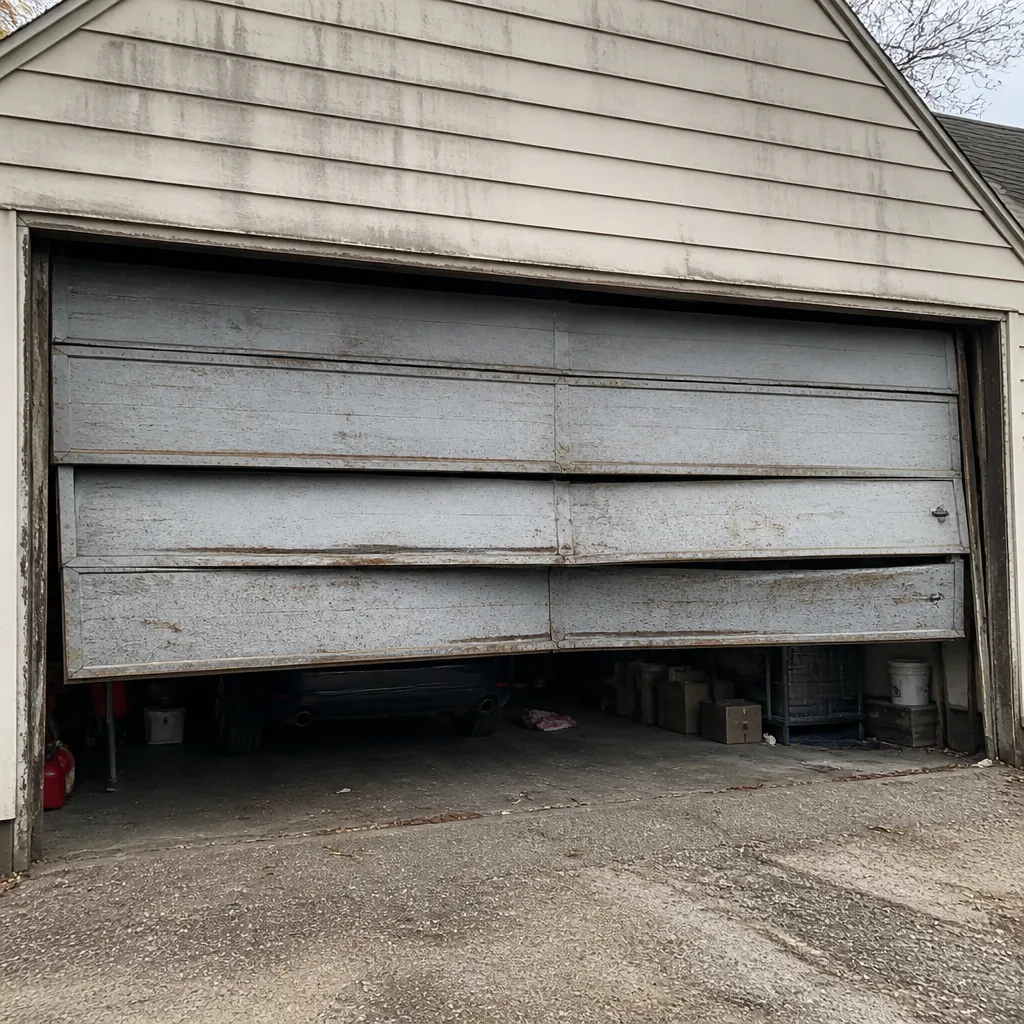 Before
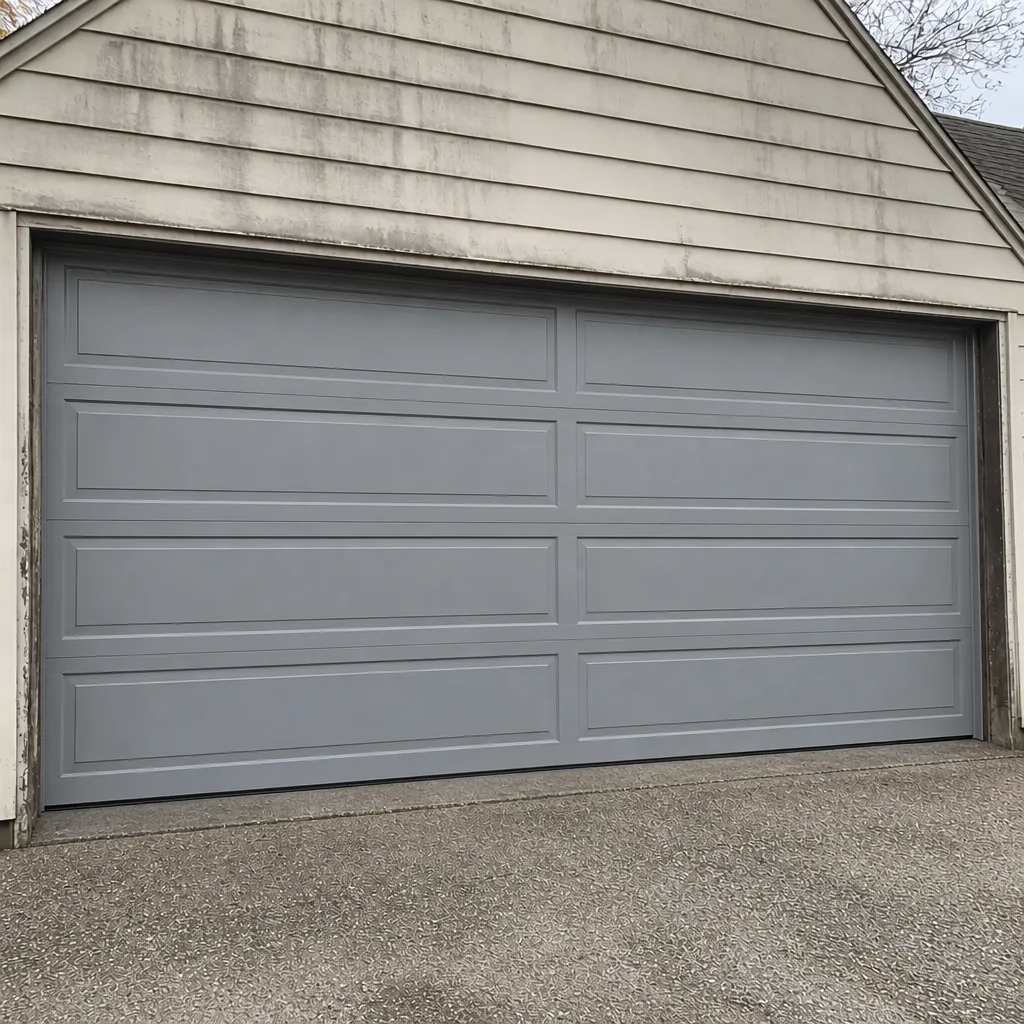 After
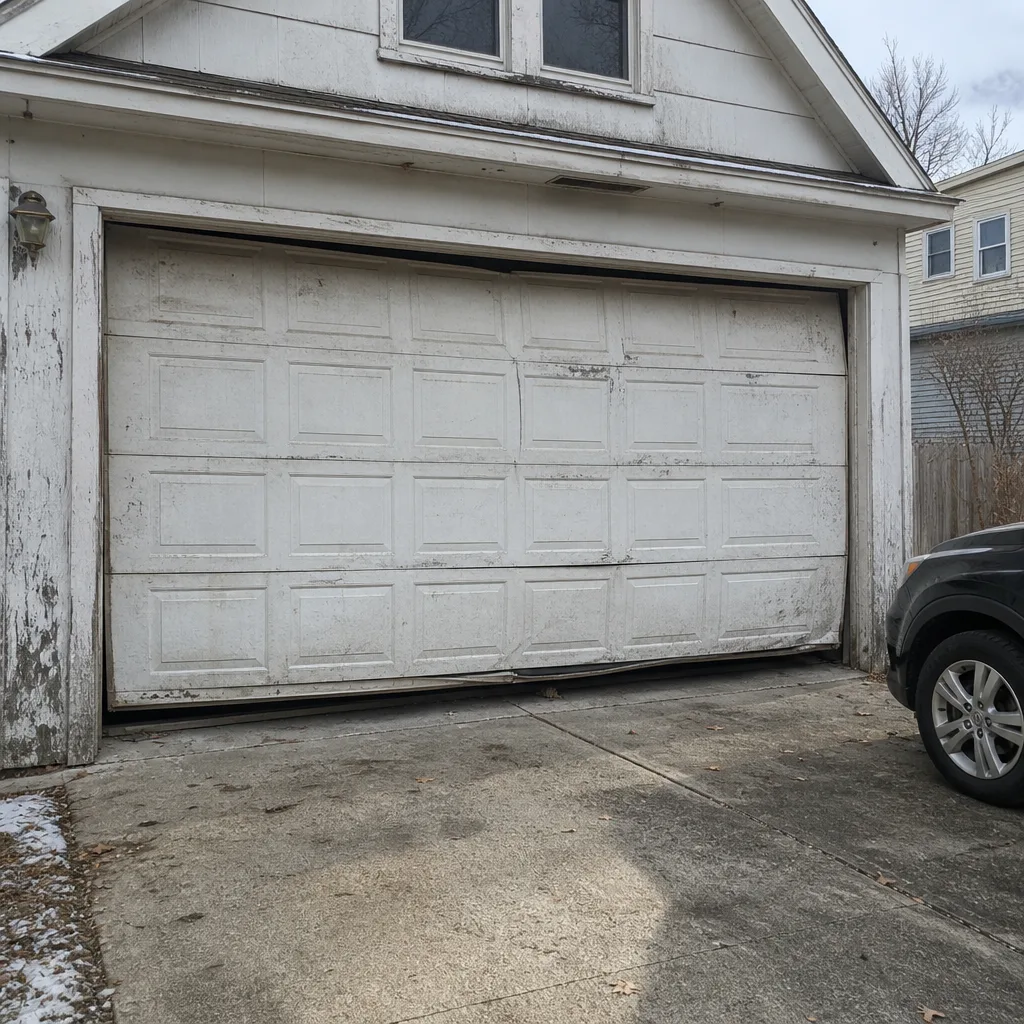 Before
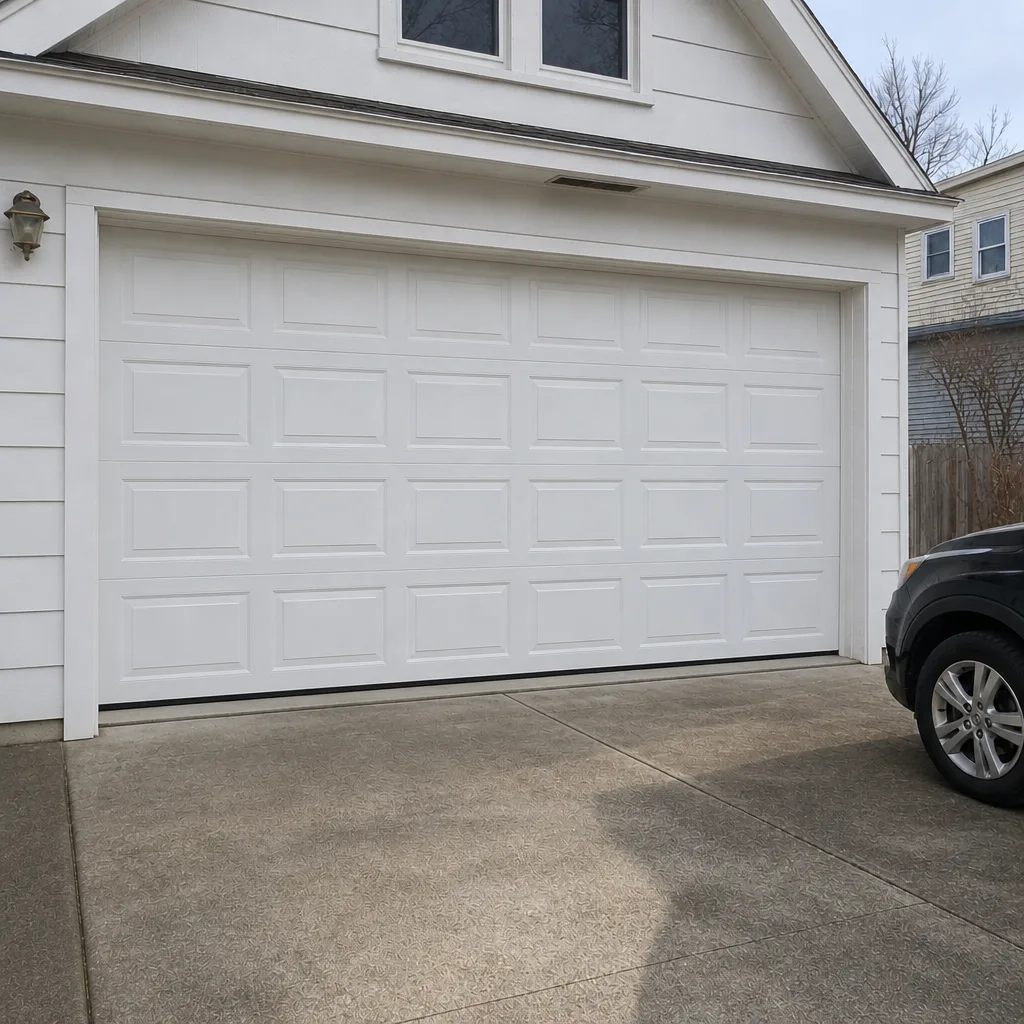 After
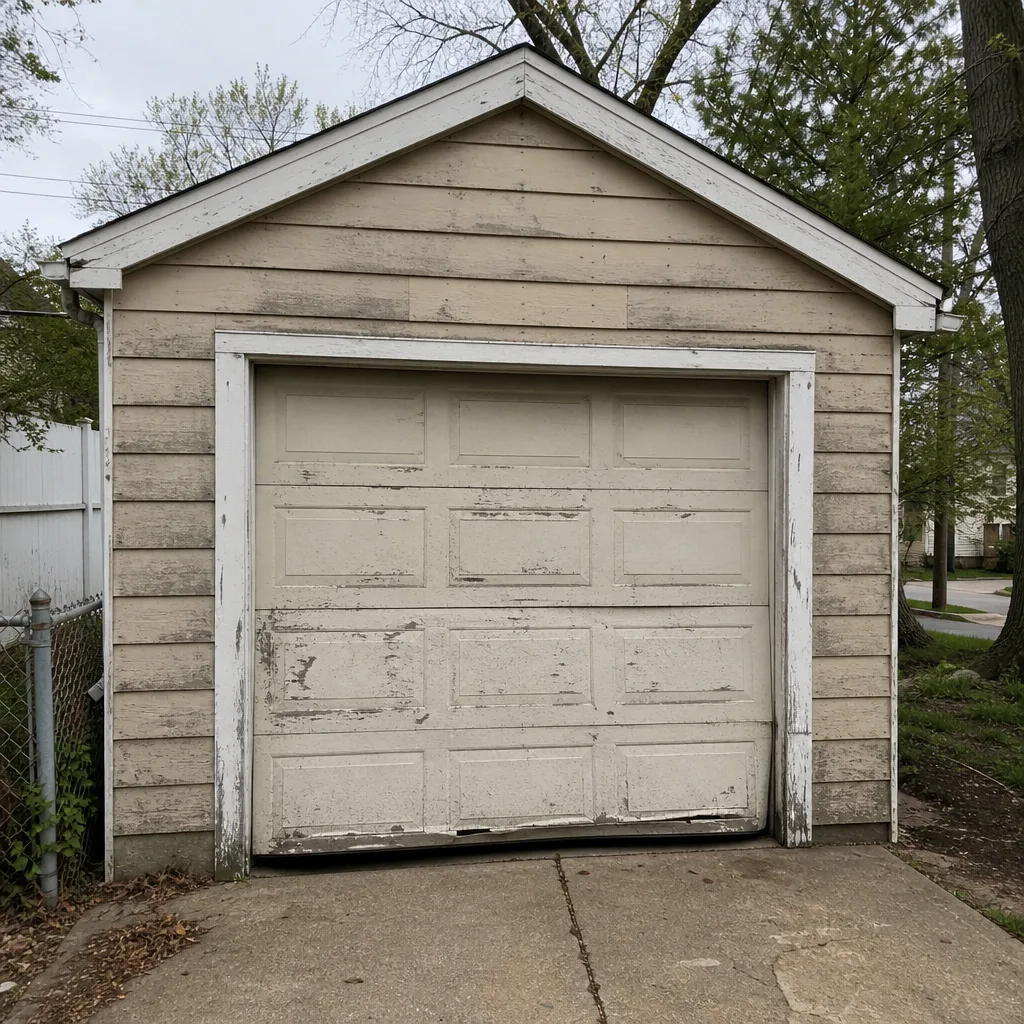 Before
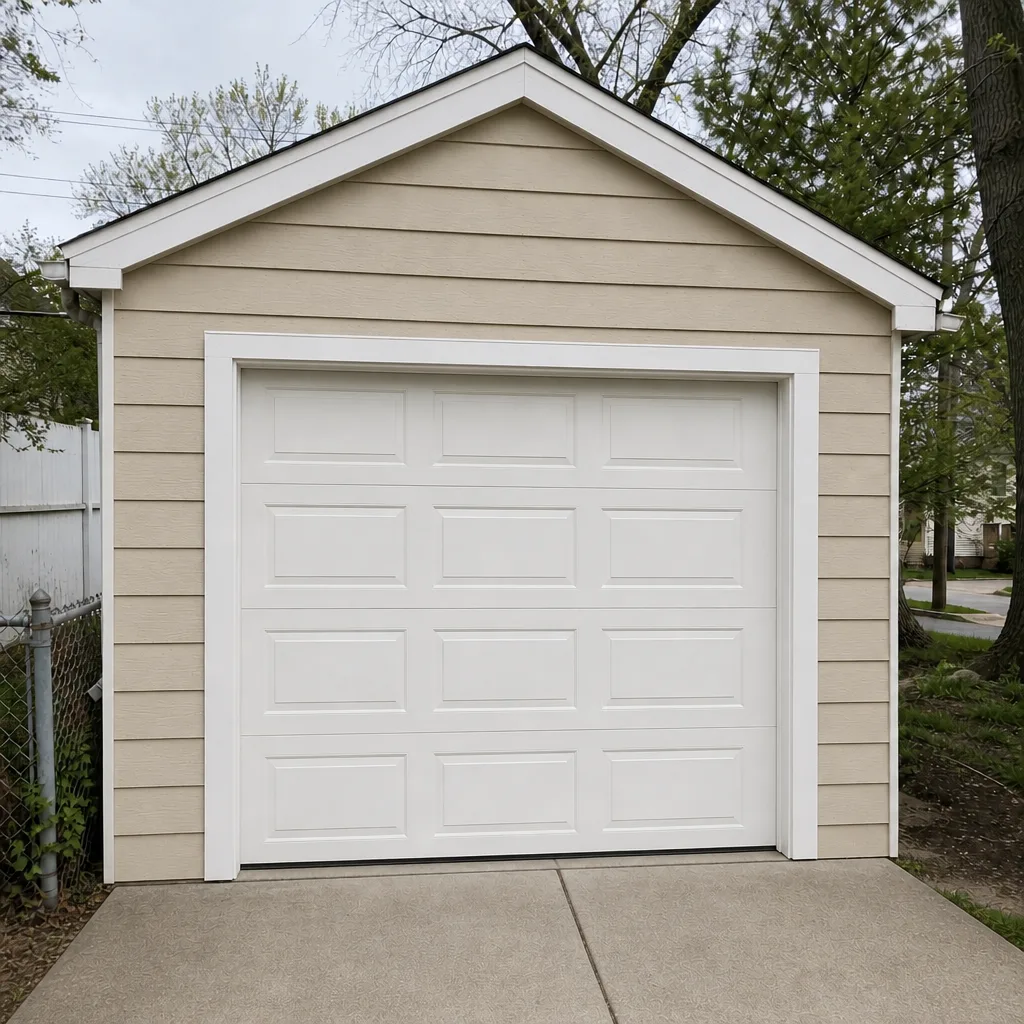 After
Frequently Asked Questions
Yes. Emergency garage door service is a core part of what we do, not an add-on, and same-day response is typical for genuine emergencies where the door blocks a car or compromises security. Call (877) 492-1756 and tell the dispatcher the spring system type, the opener brand and model, the door width, and any access constraints. That’s what lets them bring the right parts on the first trip.
Most garage door repair calls in Chelsea are quoted per job based on what’s actually wrong, not on a flat emergency rate. A single torsion spring repair typically runs less than replacing a matched pair, since the pair is usually done together, and an opener repair or panel repair is quoted separately from spring work. The written estimate sets the final price, and the price is quoted and agreed before any work starts. Call (877) 492-1756 for an exact quote; estimates are free.
Look at the door from inside. A torsion spring is a single coil (or two side by side) mounted on a shaft above the top of the door, running horizontally across the width. An extension spring is one or two coils running parallel to the horizontal track on each side. Knowing which one you have is one of the four things to tell the dispatcher, because it changes what hardware the technician brings.
The most common cause is a stray signal on a shared frequency, a neighbor’s remote that’s been paired with your receiver, or a wall console with a stuck button. On LiftMaster and Chamberlain openers with connected smart features, check the app activity log to see whether the door is being commanded remotely. If the door opens with no app activity and no nearby remote, the opener’s logic board or safety sensors need to be checked by a technician. Call (877) 492-1756 and we can diagnose the specific opener brand and model.
Only if the door has a condition that wasn’t described when the estimate was written, such as a bent track or a damaged panel that wasn’t visible in the photos. The written estimate sets the final price for the work agreed on. If additional work is needed, the technician discusses it with you before starting, so there’s no surprise invoice at the end. Call (877) 492-1756 for a free estimate.
Call (877) 492-1756 and we’ll book the work for a day we’re open. We’re closed on Saturdays. If the door fails or you need service on a Sunday, we can schedule that; for anything outside the usual day, we can arrange an early morning visit or a Sunday appointment. The manual release and blocking procedures in this guide keep the door safe until we can get a technician on site.
The Bottom Line
A garage door emergency in Chelsea isn’t the same as one anywhere else, because the time pressure, the access, and the low-clearance bay shape what you can safely do yourself before a technician arrives. Get the three photos saved now. Learn the correct release pull so you don’t derail the carriage. Block and strap a door that has lost spring tension rather than trying to force it, and never touch a torsion or extension spring directly. Keep the dispatcher’s four questions in mind so you can give them the spring type, opener brand and model, door width, and access constraints in one call. Everything else is a professional repair. Call (877) 492-1756 for emergency service or a free estimate; the price is quoted and agreed before any work starts, and one call covers the opener, spring, panel, and hardware together.
Written by the team at Chelsea Garage Door Repair Pros.