Last updated November 21, 2026
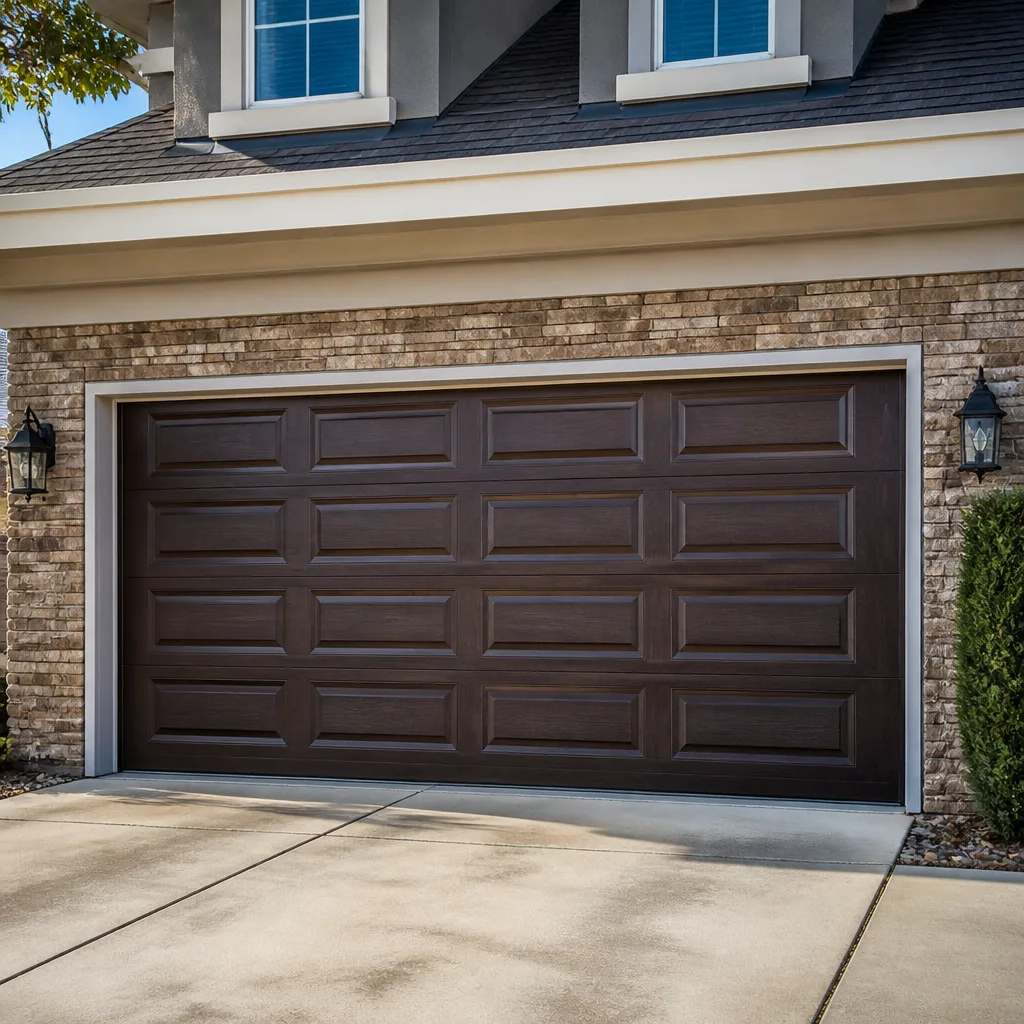 Raised-panel steel
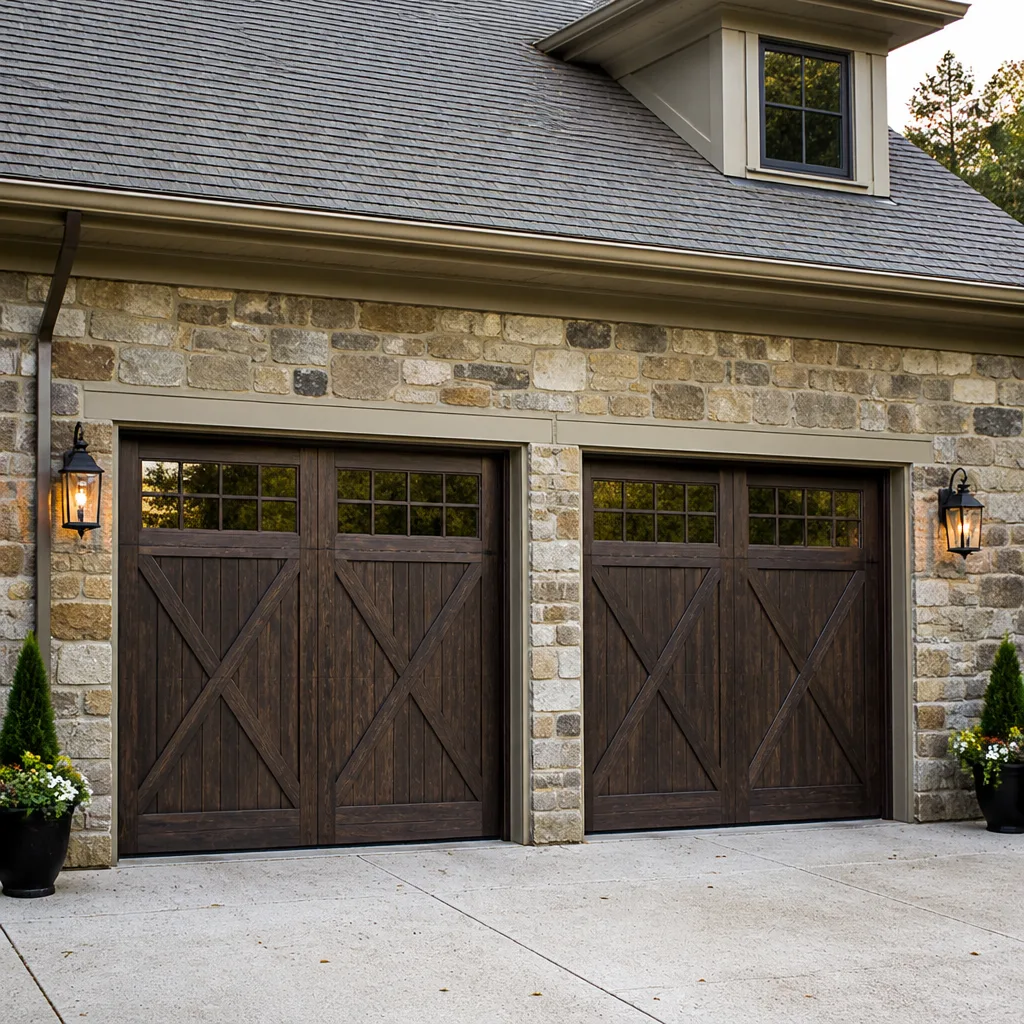 Carriage house
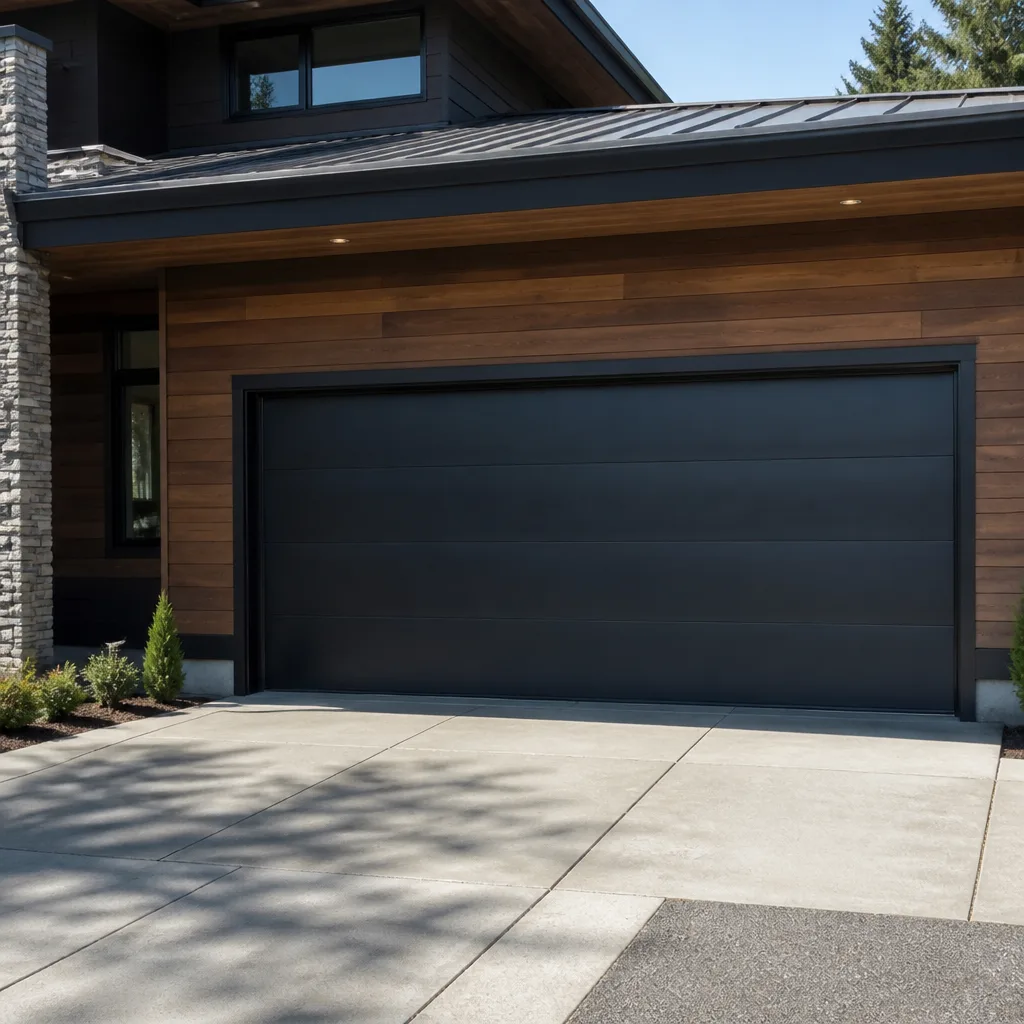 Modern flush
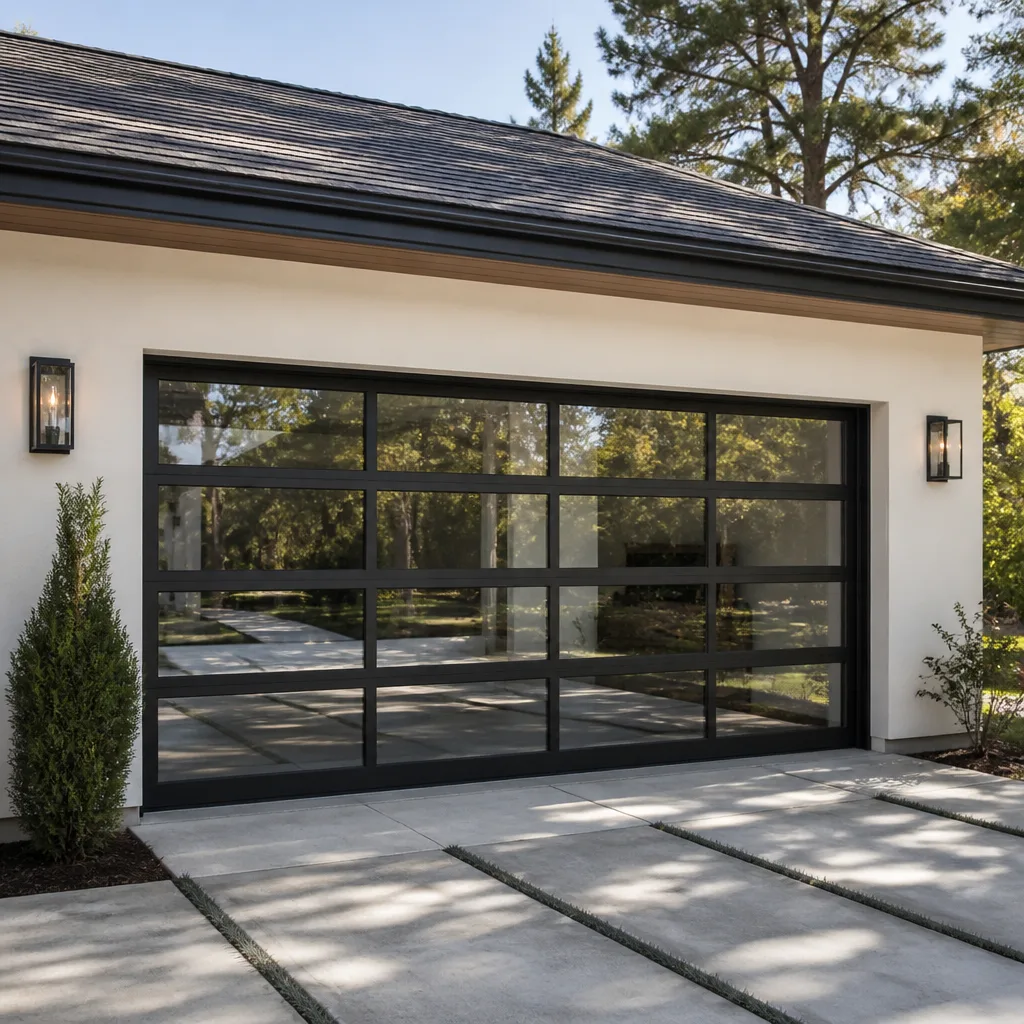 Full-view glass
 LiftMaster openers
 Chamberlain openers
Full 25-point door and opener safety check with every visit - springs, cables, rollers, tracks, and your LiftMaster or Chamberlain opener included
You get a price before we start. It does not change when the pro arrives.
Get your free estimateThe Complete Guide to Garage Doors in Chelsea
Most garage door advice is written for a suburban two-car garage with an eight-foot ceiling and a wide concrete apron. Chelsea doesn’t work that way. A standard 7-foot high-lift conversion that works fine in the suburbs will bind and fail inside a Chelsea brownstone’s low-headroom carriage bay, because the door needs the right spring lift and opener stroke for the space it actually lives in. Headroom is the variable almost no guide mentions. This guide maps the door configurations you’ll find across Chelsea, from converted carriage houses to pre-war co-ops with shared garages to newer condo stacks, and shows which springs, openers and hardware fit each one.
Quick Answer
Garage doors in Chelsea need to be matched to the building, not to a catalog photo. Low-headroom carriage bays usually need low-profile torsion systems with an opener sized to the shorter travel, while shared co-op and condo garages need openers with proper safety sensors and quiet belt or jackshaft drives. Identify headroom, opening width and door weight first, and the right spring, track and opener choices follow from there.
Styles & brands we work with
- Raised-panel steel
- Carriage house
- Modern flush
- Full-view glass
- LiftMaster openers
- Chamberlain openers
Table of Contents
- How a garage door works as one system in Chelsea
- Why headroom decides everything in Chelsea
- Spring systems: torsion, extension, and what fits tight bays
- Choosing an opener for Chelsea’s buildings
- Shared garages in co-ops and condos
- Street noise, vibration, and hardware wear
- Brand compatibility for tight urban clearances
- Common mistakes to avoid
How a garage door works as one system in Chelsea
A garage door isn’t a stack of separate parts that fail independently. It’s an interdependent system: springs counterbalance the door’s weight, tracks guide it, rollers reduce friction, panels supply the weight and the seal, and the opener supplies the push. Change one and you change the load on all the others. That matters more in Chelsea than almost anywhere, because the buildings here impose constraints that force every component to work within a tighter tolerance.
Here’s how the parts depend on each other:
- Springs carry the door’s weight so the opener only has to overcome inertia and friction. If a spring is tired, the opener overworks and the door feels heavy at the bottom.
- Tracks keep the door traveling in a straight line. A track knocked slightly out of plumb by a car bumper or a settling building makes the door bind, which stresses rollers and springs alike.
- Rollers reduce friction between the door and the track. Worn rollers add drag, so the opener pushes harder and the spring adjusts to a load it wasn’t set for.
- Panels determine weight and balance. Replacing one dented panel with a heavier or lighter model throws the balance off unless the springs are re-tensioned.
- The opener is the last link. It was chosen for a specific door weight and travel distance. A new door or a new spring set can leave the old opener mismatched.
In Chelsea, we work on this system as a whole rather than swapping a single part and hoping. When a door “just stopped working,” the cause is rarely the obvious component. It’s usually one part failing because another part drifted out of adjustment for months. That’s why a proper diagnosis starts with the balance and the track, not the remote.
For homeowners who want a specific issue resolved rather than a full assessment, our garage door repair work covers the component level. For the system overview, keep reading.
Why headroom decides everything in Chelsea
Headroom is the vertical distance from the top of the door to the ceiling above it. It’s the number virtually every online guide skips, and in Chelsea it’s the first thing we measure. A converted carriage house in a brownstone might have a raw ceiling height that looks fine until you subtract the header, the beam and the low-hanging pipe. A pre-war co-op garage might have a generous opening but a ceiling that cuts diagonally across the door’s travel path. Both situations change which hardware is viable.
Here’s how headroom maps to options in Chelsea buildings:
- Standard headroom: Enough clearance for a standard torsion assembly and a conventional opener rail. Common in newer Chelsea condo garages.
- Low headroom: Too little for a standard assembly. Needs a low-headroom torsion setup with a different cable and drum arrangement, and an opener with a shorter stroke or a jackshaft drive that mounts beside the door.
- Very low headroom: The carriage-bay reality. Often needs a low-profile track configuration, and sometimes a different door type entirely (a roll-up or a sectional designed for tight radii).
Opening width matters just as much. Chelsea’s older carriage houses were built for carriages, not SUVs, and many openings are narrower than a modern standard. A narrower door changes the panel geometry and the spring size. We’ve seen doors that were “fixed” by a generalist who installed standard components into a low-headroom bay, and the door bound on the first full cycle. Spring repair done right the first time means measuring headroom and opening width before selecting any part. If you’re planning a new door, our garage door installation process starts with these measurements so the door fits the building.
If you don’t know your headroom, it’s worth knowing before you buy anything. A tape measure from the top of the door frame to the lowest obstruction above it tells you the number that governs every other decision.
Spring systems: torsion, extension, and what fits tight bays
Two spring families dominate garage doors: torsion springs, which sit on a shaft above the door and twist to store energy, and extension springs, which stretch along the horizontal tracks. In Chelsea’s low-headroom bays, torsion is usually the better fit because it needs less vertical clearance than a full extension setup, and it balances the door more evenly. But torsion work is high-stakes. The springs hold enormous stored energy, and a spring under tension can cause serious injury if handled without the right tools and technique.
This is the part of the door system where we slow down. The spring must match the door’s weight within a tight margin. Too strong and the door opens on its own and strains the opener. Too weak and the door feels heavy, the opener labors, and the springs wear out faster. A matched pair is almost always replaced together, because a new spring paired with an old one will fight the old one and shorten both lives.
What homeowners should understand, without doing the work themselves:
- Listen for the signs: a loud bang from the garage, a door that feels heavy when lifted by hand, or a gap in the spring coil are all spring-failure indicators.
- Don’t operate a door with a broken spring: the opener will try to lift the full weight of the door, and the door may come down hard.
- Don’t attempt to unwind or re-tension a torsion spring: this is the single most dangerous task on a garage door and requires winding bars, the correct technique, and full attention. Call a trained professional.
That safety caveat isn’t boilerplate. Spring repair is where a generalist handyman gets hurt or damages the door, which is why we treat it as the specialist core of what we do. If the spring is the problem, our technicians handle it as part of the broader door service rather than as a one-off favor. If you’re not sure whether a spring is the issue, a diagnostic visit will tell you.
Choosing an opener for Chelsea’s buildings
The opener is chosen last, after the door weight and headroom are settled, because it exists to move a specific door. In Chelsea, that choice narrows faster than people expect. A standard chain-drive opener with a full-length rail can struggle in a low-headroom bay simply because the rail doesn’t fit the travel path. A jackshaft opener, which mounts on the side of the door and turns the torsion shaft directly, sidesteps the ceiling problem entirely. Belt-drive units run quieter than chain, which matters where the garage shares a wall or a ceiling with living space.
We work on opener electronics across the major brands, and brand-specific logic matters here. LiftMaster, Chamberlain and Craftsman openers share a lot of lineage, which means their safety-sensor and remote-matching behavior is similar but not identical. Genie units have their own programming routines. Diagnosing “the opener won’t close” by brand saves time and avoids replacing parts that are fine.
Smart and connected openers are increasingly common in Chelsea’s newer condo garages. They add convenience but also add a failure point: a hub or a firmware update can make a perfectly healthy opener look dead. We check the electronics before assuming the motor failed. If the opener is the issue, our garage door opener repair work covers the brand families we know best.
For shared garages, the opener also has to satisfy safety-sensor requirements so the door reverses if something is in its path. That’s not optional in a building where children, pets and bikes share the space. Pick the drive type for the building first, the brand second, and the smart features last.
Shared garages in co-ops and condos
Chelsea has a lot of shared garages, and they change the rules. In a co-op or condo building, the garage door may be common property, which means any change to panels, openers or hardware can require building approval before work starts. That’s worth knowing before you order a replacement panel or a new opener. Ask your building’s managing agent what the process is; most buildings have one, and the answer affects timing more than cost.
Shared garages also raise practical issues a single-family garage never sees:
- Multiple users, one door: a door cycled dozens of times a day wears faster than a residential door. Rollers, springs and opener gears all age quicker.
- Panel replacement in matching colors: replacing one damaged panel in a shared door means matching the existing door’s profile and color, which narrows the brand and model options. Amarr and Wayne Dalton both make panels in profiles that show up in older Chelsea buildings, but the match still has to be verified against the actual door.
- Opener installation with safety sensors: any new opener needs working photo-eye sensors and a force-sensor setting matched to the door, which matters most where the door is used by people other than the person who installed it.
- Access and scheduling: work in a shared garage has to fit the building’s access rules and the neighbors’ schedules, which affects how a job is planned.
If you manage a small business in Chelsea with a shared or street-facing garage, the same logic applies, with the added wrinkle that a failed door can block workflow. Emergency garage door service exists for exactly that situation: a door that won’t open is an access problem, not a maintenance item to schedule for later. One call covers the whole system so you’re not chasing separate contacts for the opener, the panel and the spring.
Street noise, vibration, and hardware wear
Chelsea’s high-traffic corridors send vibration through buildings all day. That vibration is gentle, but it’s constant, and constant vibration accelerates hardware wear. Bolts that would stay tight for years in a quiet suburb back out slowly over months on a busy Chelsea block. Track brackets drift a millimeter at a time. Rollers develop flat spots. None of this is dramatic, and none of it shows up in a single moment. It accumulates.
What vibration wear looks like in practice:
- Rattling on the open and close cycle: usually a loose bracket or a roller that’s worn unevenly, not a structural problem.
- A door that’s getting louder over time: friction building up in the track or rollers as alignment drifts.
- An opener that seems to strain: the door is heavier to move than it was, and the opener is compensating.
A quiet door is usually a well-adjusted one. If your door has gotten louder, a tune-up that tightens the hardware, checks the track alignment and lubricates the moving parts will quiet it down and extend the life of the springs and opener. In our experience, Chelsea doors benefit from a check more often than suburban doors for exactly this reason. The door isn’t failing; it’s drifting.
There’s a noise angle the other way too. If a garage shares a wall with a bedroom or a workspace, a belt-drive opener and well-lubricated nylon rollers cut the sound the door makes on every cycle. That’s a hardware choice, not a brand choice, and it’s worth making deliberately.
Brand compatibility for tight urban clearances
Brand matters most in tight spaces, where you can’t just pick the most popular model and force it to fit. We’re trained on eight major brands (LiftMaster, Chamberlain, Genie, Clopay, Amarr, Wayne Dalton, Craftsman and Raynor), and the brand-specific knowledge is what lets us match a system to a Chelsea building instead of guessing.
Here’s how the brand families tend to map:
- Openers: LiftMaster, Chamberlain and Craftsman share design lineage, so their diagnostics overlap but their programming and accessories don’t always swap. Genie has its own logic. Knowing which family you’re dealing with shortcuts the diagnosis.
- Doors and panels: Clopay, Amarr, Wayne Dalton and Raynor each have their own profiles, spring-anchor points and panel weights. A replacement panel has to match the door it’s going into, and a new door has to fit the headroom and opening width your building actually has.
- Mixed systems: it’s common in Chelsea to find an opener from one brand driving a door from another. That’s fine as long as the opener is sized to the door’s weight and travel, which is a measurement question, not a brand-loyalty question.
We also handle smart and connected opener systems across the top brands, which matters in newer Chelsea condo garages where residents expect to open the door from a phone. If you want the full picture of what we work on, the main Chelsea Garage Door Repair Pros page lays out the service scope. One call covers the whole system: opener, spring, panel and hardware, without sending you to three different businesses.
Common Mistakes to Avoid
- Buying an opener before measuring headroom. In a low-headroom carriage bay, the most popular opener on the market may not fit the travel path at all. Measure headroom and opening width first, then choose the opener.
- Replacing one spring on a matched pair. A new spring paired with an old one will fight it, and both wear faster. Replace the pair together.
- Installing a standard door in a low-headroom bay. It will bind on the first full cycle if the track profile doesn’t match the clearance. This is the single most common Chelsea installation error we’re asked to correct.
- Ignoring a track that’s slightly out of plumb. A track knocked off-line by a bumper or a settling building will wear out the rollers and springs long before they’d fail on their own.
- Assuming a silent opener means a healthy door. A door that’s gotten quiet because the springs are failing to balance it is a hazard, not a fix. Test the balance by hand (with the door disconnected from the opener) before trusting it.
- Skipping building approval in a co-op or condo shared garage. Work done without the managing agent’s go-ahead can create problems that cost more to sort out than the job itself.
- Trying to adjust a torsion spring without training. The stored energy in a wound torsion spring can cause serious injury. This is the one task on this list that’s genuinely dangerous; call a trained professional for it.
See the difference
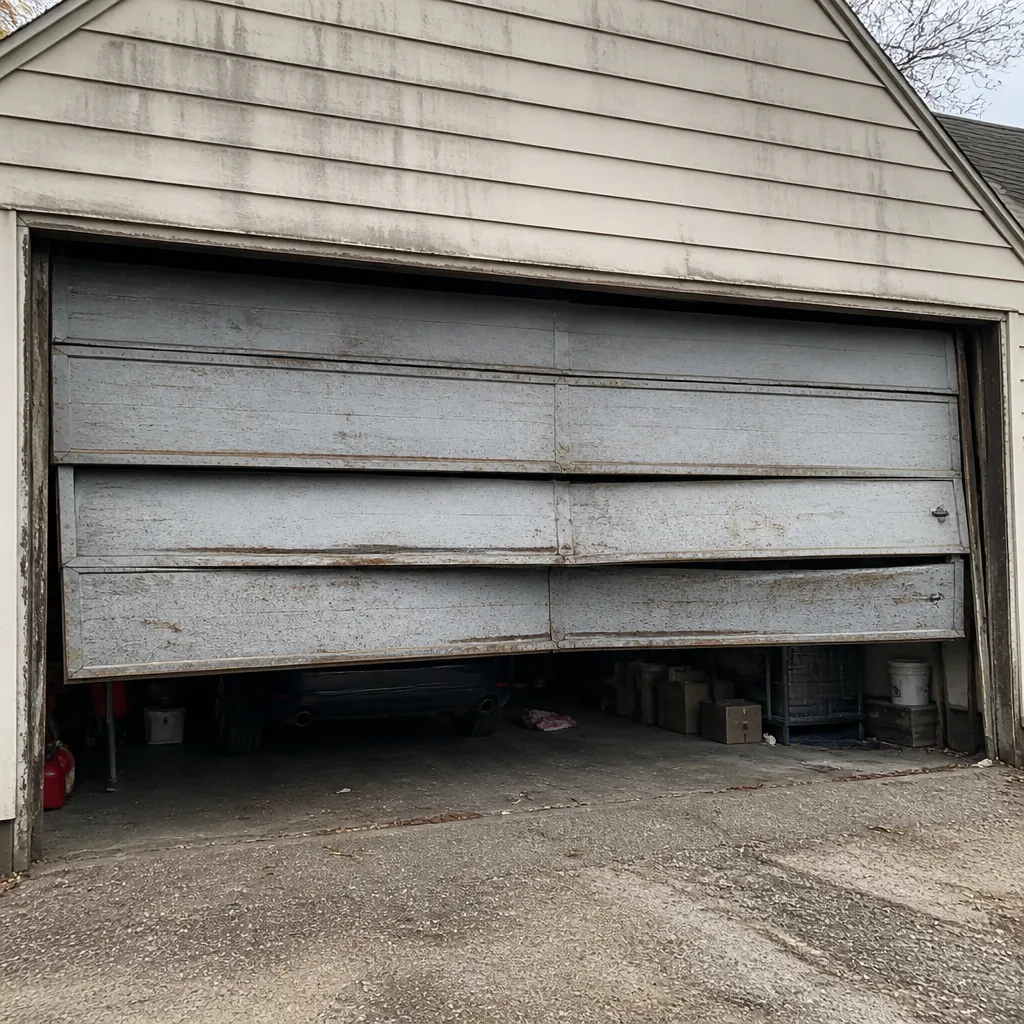 Before
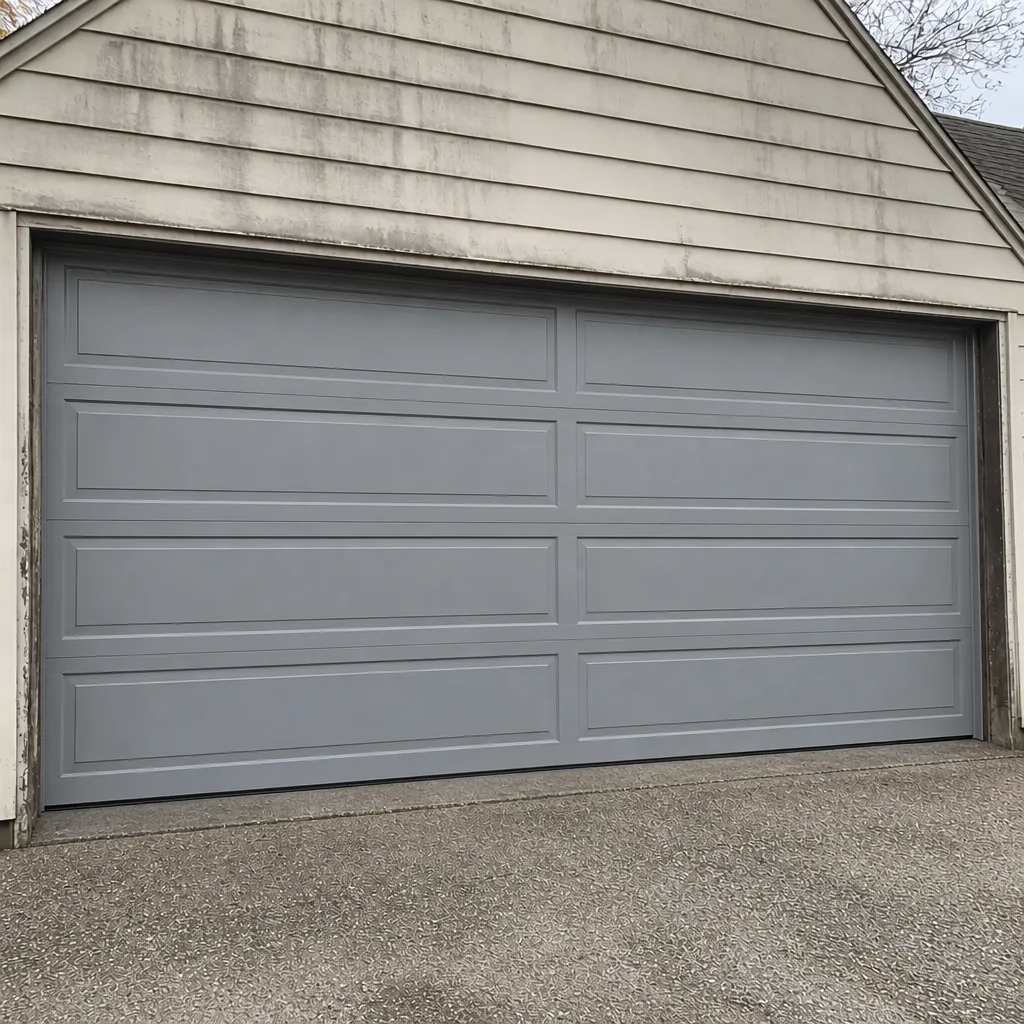 After
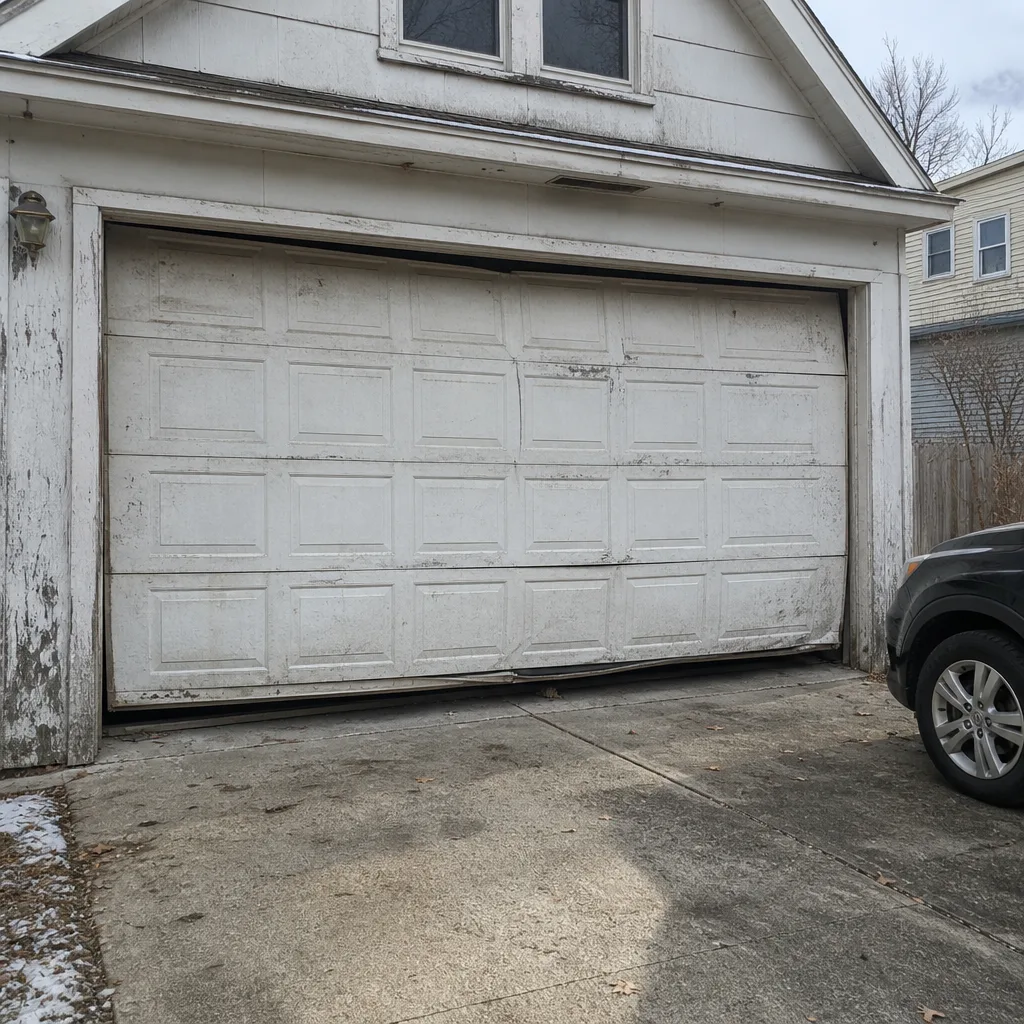 Before
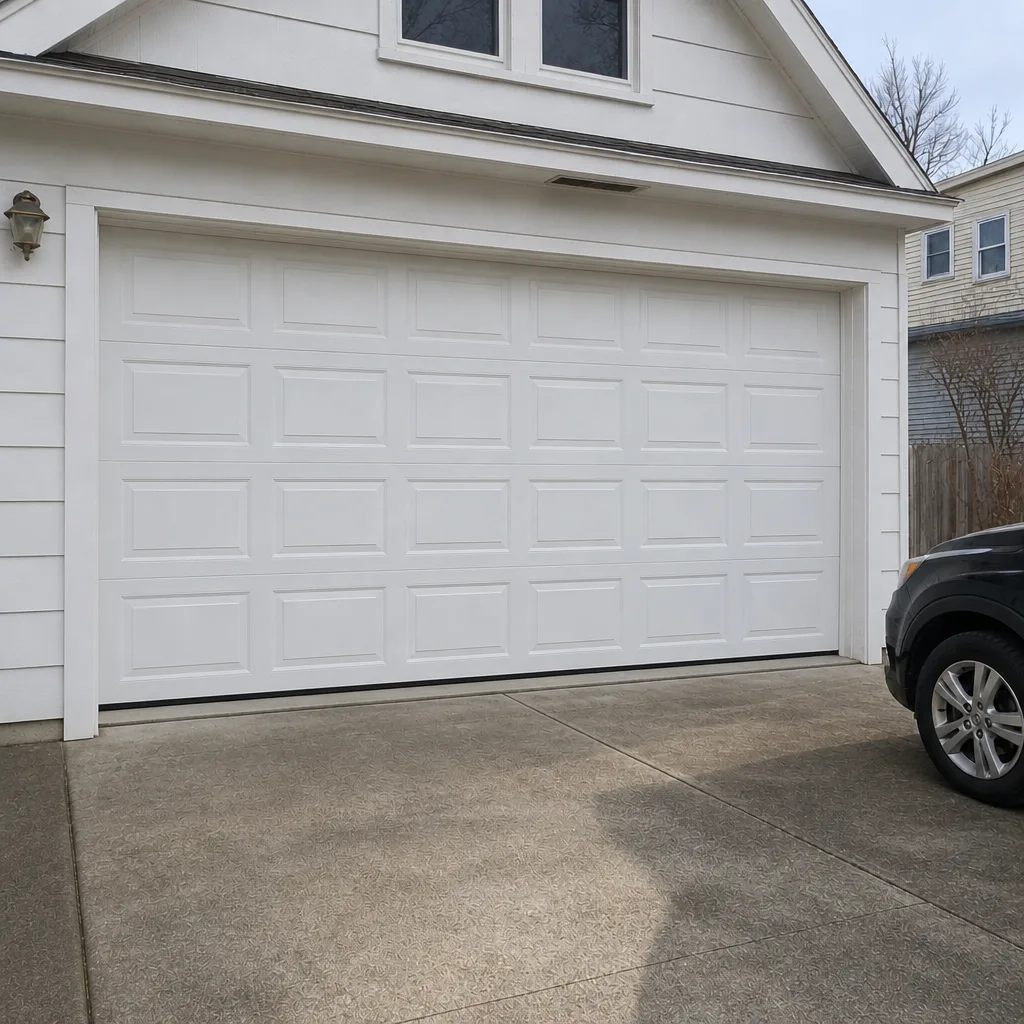 After
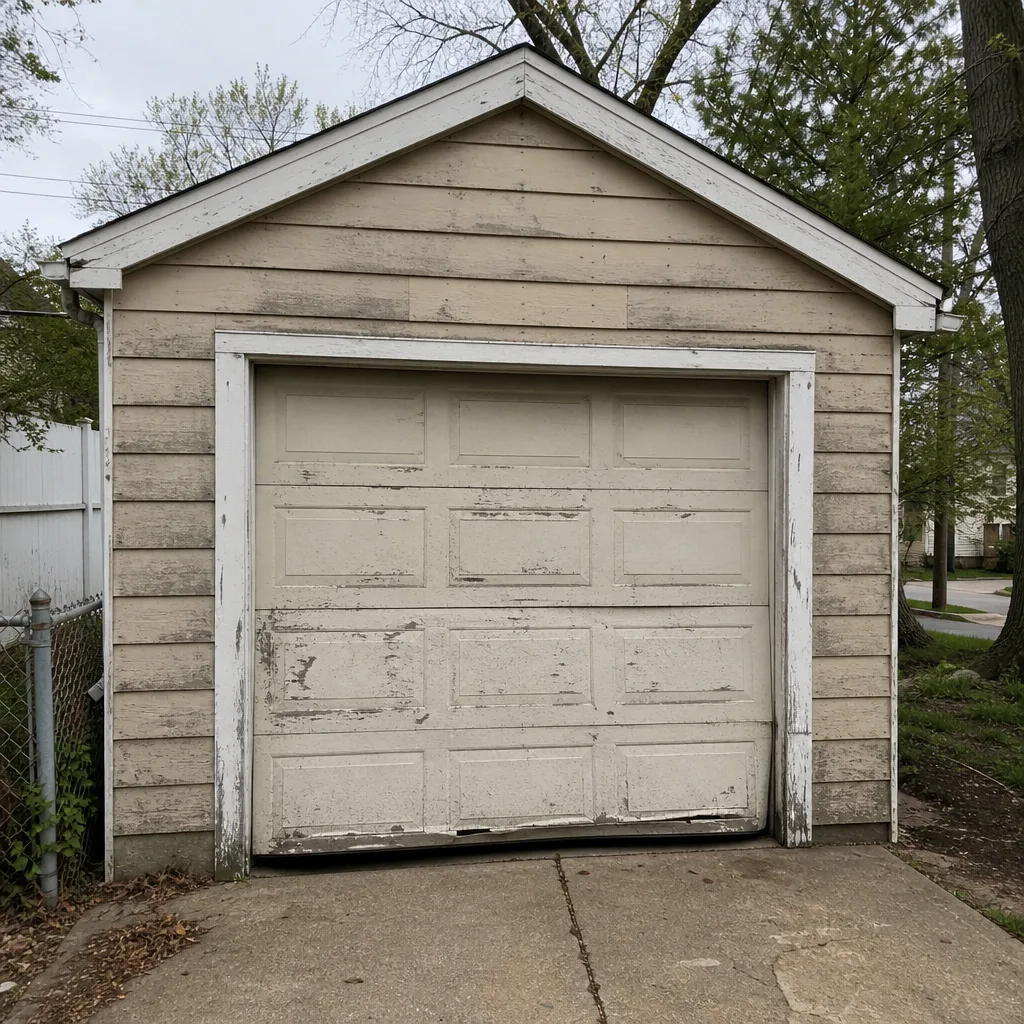 Before
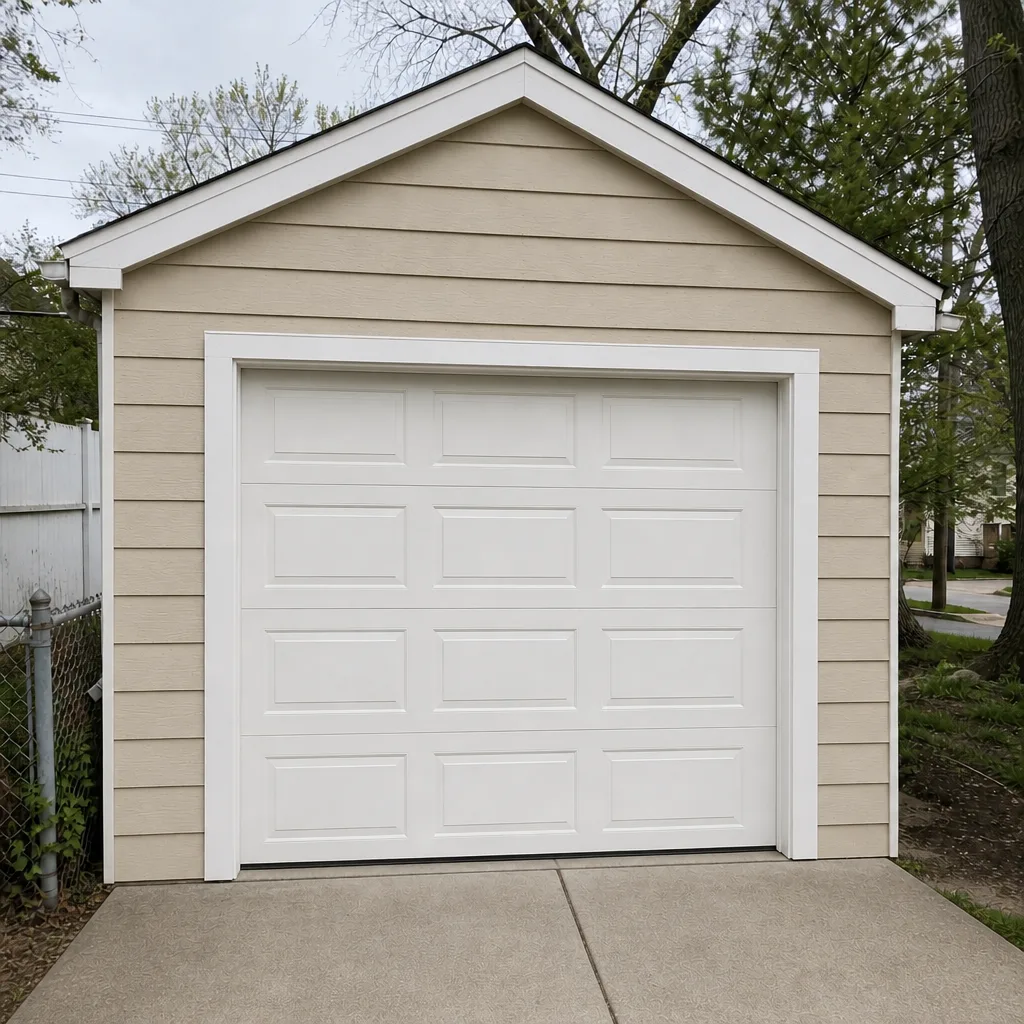 After
When to Call a Professional
Call a professional when the spring has broken, when the door is unbalanced or heavy to lift by hand, when the opener runs but the door doesn’t move, when the track is visibly bent or off-line, or when the door has started reversing for no clear reason. Call immediately if a door is stuck open and the building is unsecured, or stuck closed and blocking a vehicle. Spring work, opener replacement and track realignment all require tools and technique most homeowners don’t have, and spring work specifically is dangerous. If you’re in a shared Chelsea garage, call before ordering parts so building approval is part of the plan from the start. Chelsea Garage Door Repair Pros offers free estimates in Chelsea and works across the major brands; call (877) 492-1756. Estimates are quoted and agreed before any work starts, so you know the price before we begin.
Frequently Asked Questions
Headroom, then opening width. Headroom is the vertical distance from the top of the door frame to the lowest obstruction above it, and in Chelsea’s low-headroom carriage bays it decides whether a standard door will work at all. Opening width comes next, because older Chelsea carriage houses were built for carriages and may be narrower than a modern standard. Bring both numbers when you call for an estimate, and we’ll confirm them on site. Call (877) 492-1756 for a free estimate.
Because a door and its hardware are sized for a specific space. A door that clears a standard eight-foot ceiling needs a different track profile, spring arrangement and opener stroke than one living in a Chelsea brownstone carriage bay with a lower ceiling and a header in the way. Installed into the wrong bay, the standard components bind on the first full cycle. The fix is to match the hardware to the measured clearance, not to force the door. Call (877) 492-1756 to have your headroom measured and the correct setup specified.
Often yes, but the replacement panel has to match the existing door’s profile, color and weight. In Chelsea’s shared garages, the first step is identifying the door’s brand and model so the panel matches, and the second is getting the managing agent’s approval if the door is common property. A heavier or lighter panel also changes the door’s balance, so the springs may need re-tensioning. Call (877) 492-1756 and we’ll work out the match before you order anything.
Because vibration and normal use loosen the hardware and add friction. Chelsea’s high-traffic corridors send constant low-level vibration through buildings, which backs bolts out and drifts track brackets a millimeter at a time. The result is a door that rattles and strains more than it used to, even though nothing has “failed.” A tune-up that tightens the hardware, checks alignment and lubricates the moving parts usually quiets it down. Call (877) 492-1756 for a free estimate on a tune-up.
Usually yes, when headroom is the constraint. A jackshaft opener mounts beside the door and drives the torsion shaft directly, so it doesn’t need a ceiling-mounted rail running the length of the door’s travel. That sidesteps the low-headroom problem entirely and often frees up storage space above the door. A standard opener is fine where headroom is generous, which is more common in newer Chelsea condo garages. Call (877) 492-1756 and we’ll tell you which fits your space.
Stop operating the door and call a professional. A broken torsion spring leaves the door’s full weight on the opener and the door can come down hard, so the safest move is to leave it closed and get it looked at. Don’t try to unwind or re-tension the spring yourself; it holds enormous stored energy and requires winding bars and trained technique. Chelsea Garage Door Repair Pros handles torsion and extension spring work as a specialist job, and estimates are free. Call (877) 492-1756.
The Bottom Line
Chelsea’s garage doors live in spaces that standard guides ignore. Converted carriage houses, pre-war co-ops with shared garages and modern condo stacks each impose their own headroom, opening-width and access constraints, and the right spring, track, panel and opener depend on those constraints rather than on what’s popular. Measure headroom and width first, treat the door as one interdependent system, match the hardware to the building, and leave torsion spring work to a trained professional. Our technicians have up to 9 years of experience working across the major brands. If you want a free assessment of your Chelsea door, call (877) 492-1756 for a free estimate and a clear plan.
Written by the team at Chelsea Garage Door Repair Pros.