Last updated November 21, 2026
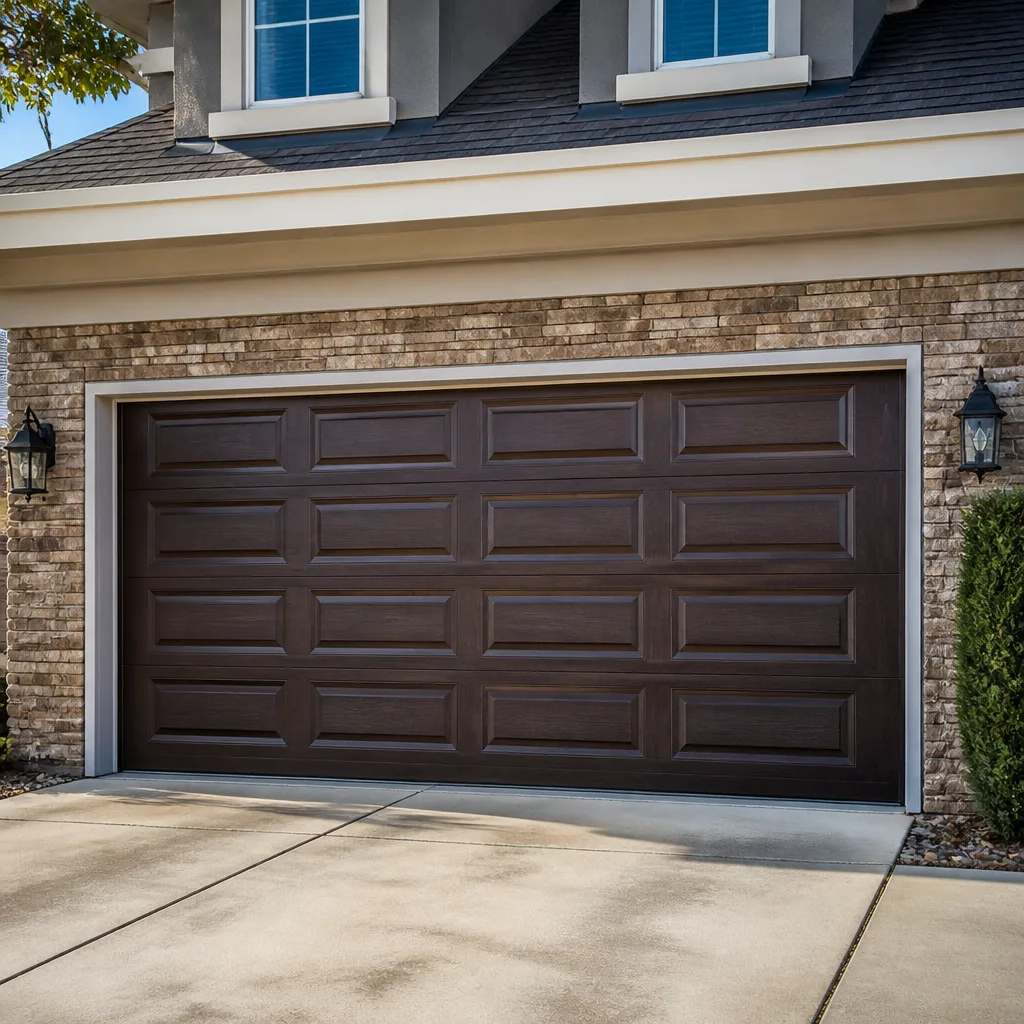 Raised-panel steel
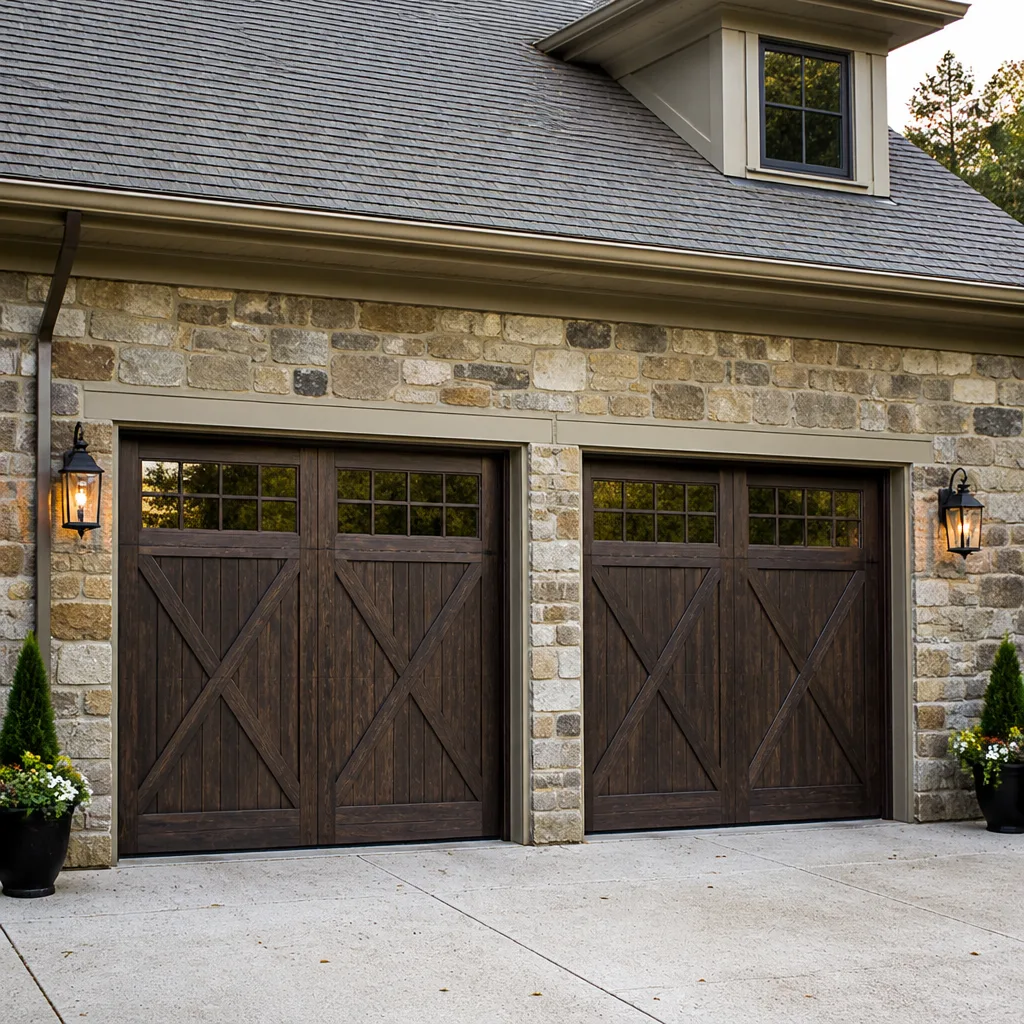 Carriage house
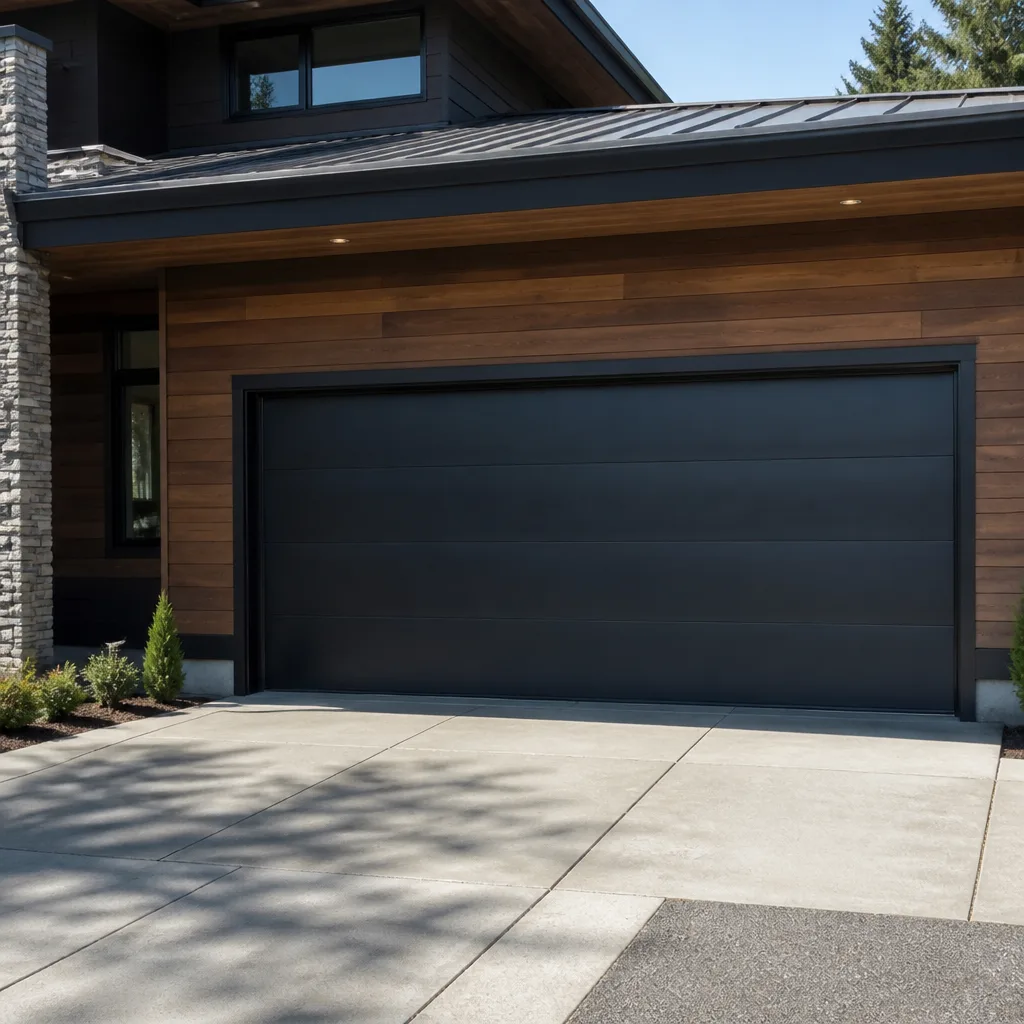 Modern flush
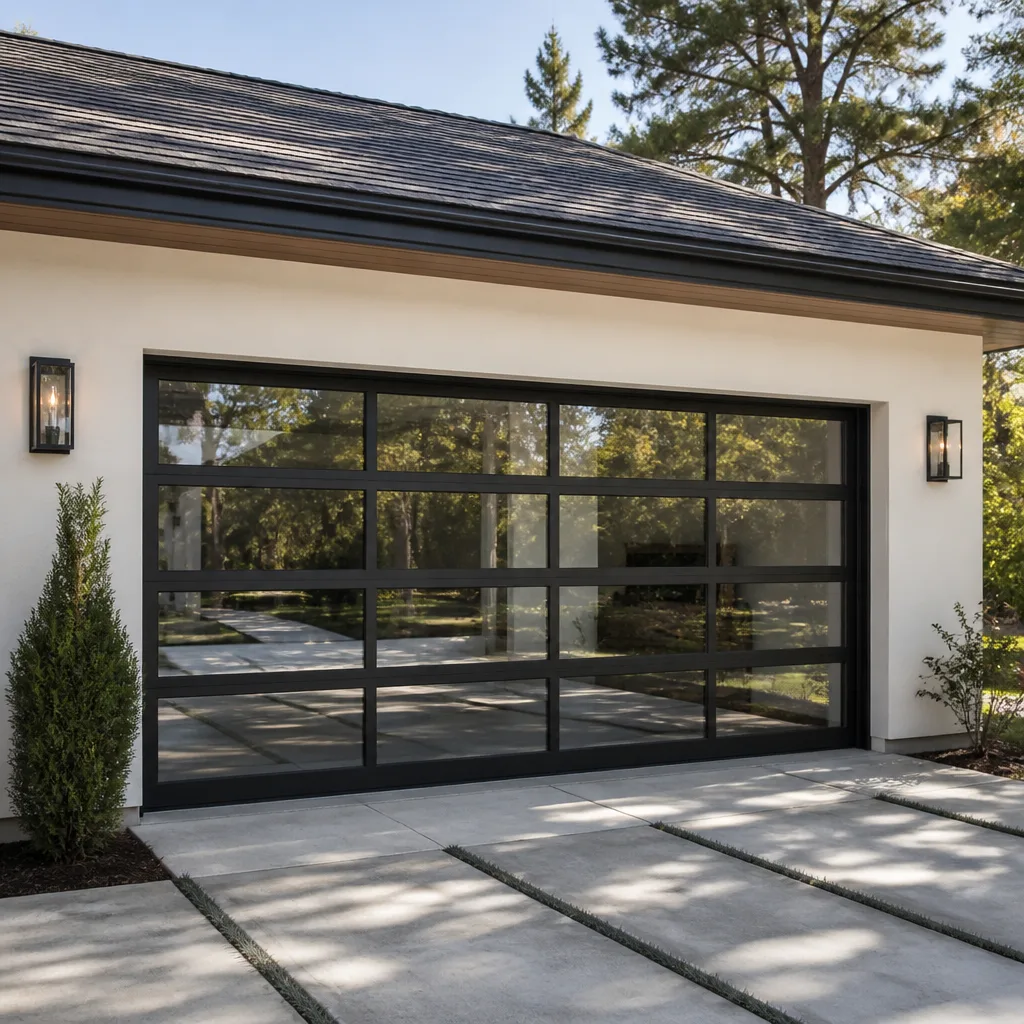 Full-view glass
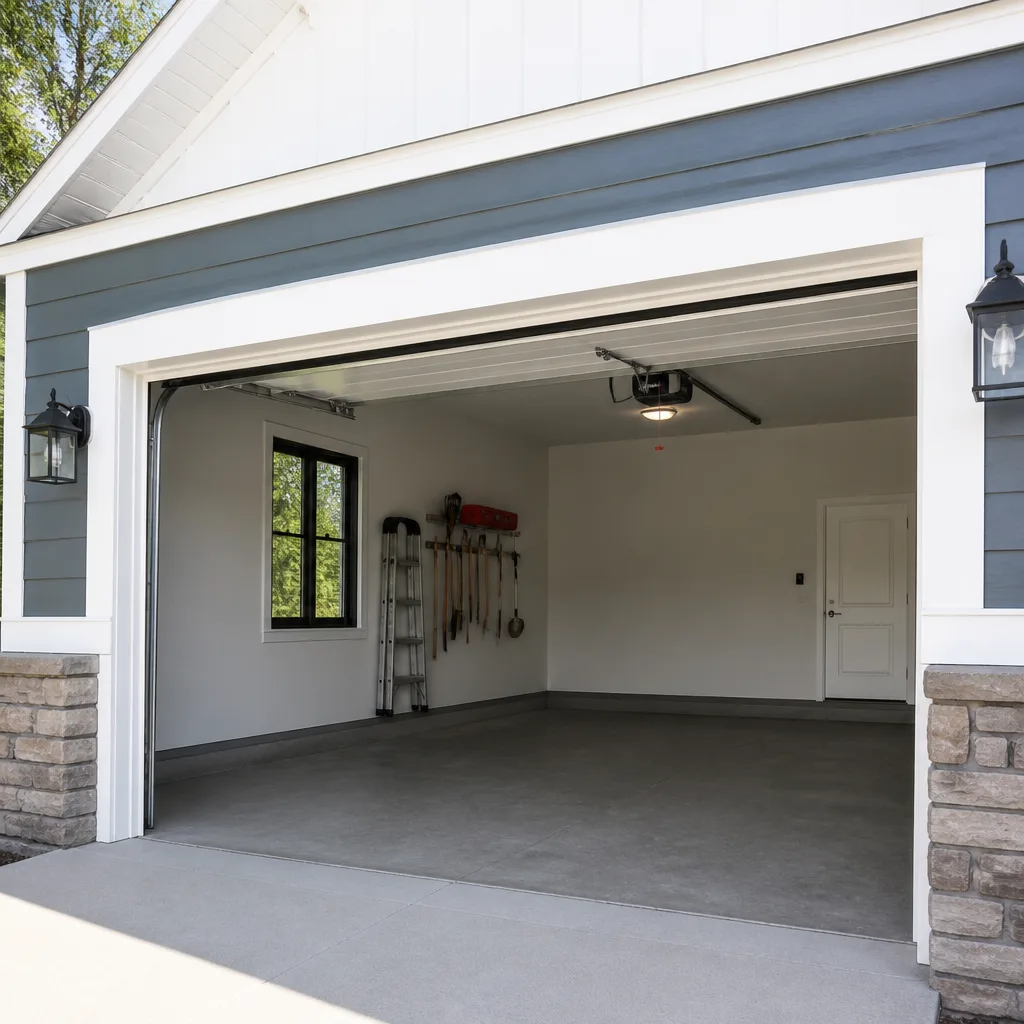 LiftMaster openers
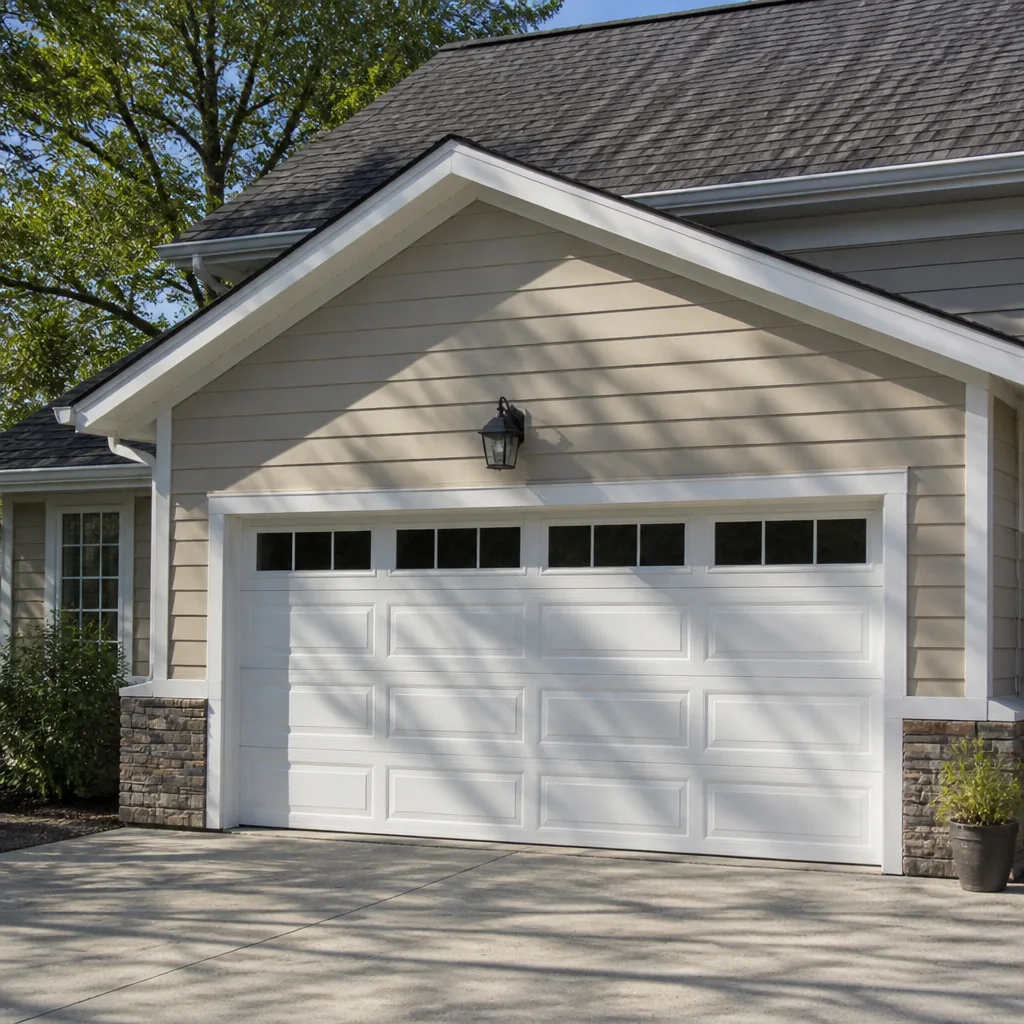 Chamberlain openers
Full 25-point door and opener safety check with every visit - springs, cables, rollers, tracks, and your LiftMaster or Chamberlain opener included
You get a price before we start. It does not change when the pro arrives.
Get your free estimateSeasonal Garage Door Care for Chelsea: Year-Round Homeowner’s Guide
The most common assumption about garage door maintenance is that the worst damage happens in the coldest month. In Chelsea, it usually happens in March. Overnight freezes lock a wet bottom seal to the concrete apron, the door gets forced open the next morning, and the seal tears while the bottom panel bracket bends – all in a single pull. The season that looks like relief is the season that does the damage. This guide walks through what your door actually faces in Chelsea across all four seasons: the freeze-thaw cycles at the apron, summer humidity off the Hudson, fall grit from street sweeping, and winter cold snaps that expose weak openers. You’ll get checklists, adjustment guidance, and clear signals for when a job belongs in trained hands.
Quick Answer
Garage door care in Chelsea follows a climate-specific calendar, not the standard suburban one. Your priorities are post-freeze inspection in spring (bottom seal, torsion springs, track alignment), humidity management and balance checks in summer, weatherstripping replacement before the first hard freeze in fall, and opener testing during winter cold snaps. Year-round, abrasive street-sweeping grit on tracks and rollers needs cleaning at a minimum monthly interval to prevent premature wear. Anything involving torsion springs, cables, or opener electrical work belongs with a trained technician.
Styles & brands we work with
- Raised-panel steel
- Carriage house
- Modern flush
- Full-view glass
- LiftMaster openers
- Chamberlain openers
Table of Contents
- Spring: Post-Freeze Inspection Protocol
- Summer: Humidity, Wood Panels, and Spring Balance
- Fall: Weatherstripping Timing and Seal Profiles
- Winter: Opener Behavior in Cold Snaps
- Year-Round: Street-Cleaning Grit and Track Wear
- Brand-Specific Care: LiftMaster, Chamberlain, Genie, Raynor
- Common Mistakes to Avoid
- When to Call a Professional
Spring: Post-Freeze Inspection Protocol for Chelsea Doors
Chelsea’s freeze-thaw cycling doesn’t happen on a suburban lawn. It happens at the sidewalk-level apron where a wet door seal meets concrete, refreezes overnight, and bonds. By the time March arrives, the door has cycled through months of this. The damage is cumulative and shows up as a bottom seal that no longer sits flat, a torsion spring that’s lost some of its original tension, and tracks that have shifted slightly from contraction. A proper spring inspection catches all three before they compound.
Walk through this protocol once the overnight freezes stop:
- Inspect the bottom seal. Look for tears, splits, or a seal that hangs unevenly. A bonded seal that was forced open usually shows a clean tear along one edge or a curled lip. If the seal has torn, it needs replacement before the next wet season.
- Check the bottom panel bracket. Forcing a frozen door open puts stress on the bracket that holds the bottom panel to the lift mechanism. A bent bracket shows as uneven contact with the ground or a door that sits crooked when closed.
- Test the torsion spring. With the door closed and the opener disengaged, lift the door by hand about halfway. If it feels heavy, or doesn’t hold position when you let go, the spring has lost tension. Don’t test further if the door feels unbalanced – call for service.
- Check track alignment. Run your hand along the inside of both vertical tracks. You’re looking for gaps between the rollers and the track edge, or any point where the track has bowed. Winter contraction can pull track brackets slightly out of square.
- Lubricate rollers and hinges. A garage-door-specific lubricant on the rollers, hinges, and spring (if it’s a torsion spring with a dry surface) reduces friction through the wet spring months.
If the door opens and closes smoothly and the spring holds the door, you’re in good shape for the season. If anything feels heavy or uneven, that’s the moment to schedule a garage door repair visit – a lagging torsion spring rarely improves on its own. Torsion spring work is genuinely dangerous; the spring is under extreme tension and a slipped winding bar can cause serious injury. This is not a job for homeowner tools.
Summer: Humidity, Wood Panels, and Spring Balance
Chelsea’s summer humidity comes off the Hudson and sits. For garages with wood-panel doors, that humidity is not a cosmetic issue – it’s a mechanical one. Wood panels absorb moisture and swell slightly, which changes the door’s overall weight and can cause panel edges to rub against each other or against the frame. The door starts dragging, the opener works harder, and the balance point shifts. On a Clopay or Amarr wood or wood-composite door, this swelling is normal and seasonal, but ignoring it accelerates wear on the opener motor and the springs.
Here’s what summer care looks like:
- Check the balance point monthly. Disengage the opener, lift the door by hand to the halfway point, and let go. A balanced door stays put. A door that drifts down is telling you the spring tension and the door weight are no longer matched.
- Look for panel rub. On humid days, watch the gap between panels. If the door shows rub marks or binding, the panels are swelling enough to affect travel.
- Adjust torsion spring tension – carefully. A qualified technician adjusts spring tension to compensate for seasonal weight changes, usually by adding or removing a quarter-turn. Homeowners should never do this themselves. The torsion spring is under extreme tension and requires specific winding bars and technique. We handle this adjustment during a routine service visit.
- Ventilate the garage. A garage with no airflow holds humidity for longer. Cracking a window or using a small fan reduces the swelling cycle on wood doors.
- Inspect hardware for rust bloom. Summer humidity plus warmth makes hinges and roller bearings more prone to surface rust. A light application of garage-door lubricant keeps them moving.
If your door has started closing harder or reversing on its way down, that’s a balance issue, not an opener issue. A technician can diagnose which in a single visit. Chelsea Garage Door Repair Pros handles balance adjustments as part of garage door repair – we work on Clopay, Amarr, Wayne Dalton, and Raynor doors and know how each brand’s panel construction responds to humidity.
Fall: Weatherstripping Timing and Seal Profiles That Hold
The right time to replace weatherstripping in Chelsea is the window between the last warm spell and the first hard freeze – typically mid-to-late fall. Replacing it too early means it wears through the wet fall before the cold even arrives. Replacing it too late means the first hard freeze locks a worn or torn seal to the apron, and you’re back to the March problem. The goal is a fresh, flexible seal in place before the first overnight freeze.
Seal choice matters in Chelsea more than in most places, because the concrete apron at many properties isn’t perfectly flat. A seal profile that works beautifully on a smooth driveway will leave gaps on a concrete apron with cracks, settling, or a slight grade change. The profiles that hold up here:
- U-shaped bottom seal. The most common replacement profile, made to slide into the bottom track channel on most doors. Holds well if the apron is even. On an uneven apron, the U-seal can leave a gap on one side.
- Bulb-style seal. A round profile that compresses more than a flat U-seal, so it conforms better to apron irregularities. A strong choice for Chelsea properties where the apron has settled or cracked.
- Blade or fin seal. A thin blade that sits against the floor. Works well when the door closes tightly, but isn’t as forgiving on an apron with a grade change.
- Brush seal. Best for a door with a significant gap at the bottom. Not a primary seal, but useful on older doors where the bottom channel is worn.
For the sides and top, foam-core or vinyl weatherstripping on the door frame is the standard. Check that the side strips still contact the door when it’s closed – a light paper test works (close the door on a sheet of paper; if it pulls out with no resistance, the strip has compressed and needs replacement). If you’re having a new door put in, fall is a good time to time it so the seals are fresh before winter – see our garage door installation page for the process.
Winter: Opener Behavior in Cold Snaps
Unheated garages get cold in Chelsea. When a cold snap hits, the biggest garage door issue shifts from the door itself to the opener. Modern openers have thermal protection built in: when the motor runs too hot or the electronics get too cold, the opener will shut itself off temporarily. A homeowner waking up to an opener that clicks but doesn’t move is often experiencing a thermal cutout, not a dead opener. On a LiftMaster or Chamberlain unit, that behavior is usually the thermal sensor doing its job. It’s a safety feature, not a failure.
Winter care for the opener comes down to a few things:
- Test battery backup. If your opener has battery backup (a common feature on newer LiftMaster and Chamberlain models), test it before the cold season. Unplug the opener, run the door once, and confirm the door still moves. If it doesn’t, the backup battery needs replacement before you need it.
- Be aware of chain-drive cold vulnerability. Chain-drive openers are more cold-vulnerable than belt-drive models in unheated garages. The chain’s lubrication thickens in cold, the chain runs stiffer, and the opener works harder. Belt-drive openers run quieter and smoother in cold, which is why many Chelsea homeowners choose them for unheated garages.
- Check the safety reverse. In cold, the safety reverse system (the force sensor and the photo-eye) can trigger false reverses if ice or debris sits in the eye path. Clear the eyes each cold spell.
- Lubricate the opener rail and chain. A small amount of opener-appropriate lubricant on the rail and chain reduces cold-weather strain.
- Address opener issues early. A Genie or Craftsman opener that’s starting to struggle in the cold is telling you something. A garage door opener repair visit before it fully fails is cheaper than an emergency at 7 a.m.
If the opener is clicking but not moving, the door won’t reverse, or the door travels unevenly, that’s the point to call. Chelsea Garage Door Repair Pros works on LiftMaster, Chamberlain, Genie, and Craftsman opener systems and can diagnose the issue in one visit instead of sending you between an opener brand and a door brand.
Year-Round: Street-Cleaning Grit and Track Wear
NYC street-cleaning cycles deposit a fine layer of abrasive grit on garage door tracks and rollers. This grit does two things: it grinds the roller bearings, and it collects in the bottom track where the rollers travel. Over time, worn rollers cause a door to run rough, and a rough-running door puts extra strain on the opener and springs. The minimum cleaning interval to prevent premature wear in Chelsea is monthly. In a year-round cycle, that’s roughly twelve cleanings – a light routine that pays for itself in extended roller life.
The cleaning process is straightforward and takes about ten minutes:
- Wipe the inside of both vertical tracks with a dry cloth to remove loose grit.
- Wipe the horizontal tracks where the rollers travel.
- Inspect the rollers for flat spots or wobble. A nylon roller that has flattened needs replacement.
- Apply a garage-door-specific lubricant to the rollers, hinges, and spring surface – never use grease, which traps grit.
- Test the door’s travel by opening and closing it once.
The street-cleaning calendar isn’t published for every block, so the practical rule is: if you can see grit on the tracks, clean them. In Chelsea, that’s typically after a sweep cycle. If you’re in a location where the door faces the street, checking weekly is reasonable. If you’re having the door serviced and want the tracks and rollers assessed at the same time, that’s a natural fit for a routine repair visit.
Brand-Specific Care: LiftMaster, Chamberlain, Genie, Raynor
Different brand families have different weak points in cold and humidity, and knowing which to watch saves a lot of guesswork. LiftMaster and Chamberlain openers share a great deal of internal architecture, and their thermal protection and battery backup behavior are consistent across models. Genie openers tend to be a bit more sensitive to chain tension in cold weather, so checking chain tension before the first freeze is worthwhile. Raynor doors have their own hardware tolerances that respond differently to track movement than the mass-market brands do.
That’s why we train on eight major brands – LiftMaster, Chamberlain, Genie, Clopay, Amarr, Wayne Dalton, Craftsman, and Raynor – and diagnose by brand-specific logic rather than guesswork. A door that’s dragging on an Amarr wood door in July is a different problem from a door dragging on a Clopay steel door in the same month. The seasonal care calendar is the same; the diagnostic path isn’t. Part of our role as a Chelsea Garage Door Repair Pros team is to carry that brand-specific knowledge into a single service call, so you’re not sent to a brand-specific dealer for one component and a generalist for another.
Common Mistakes to Avoid
- Forcing a frozen door open in the morning. This is the most common March mistake in Chelsea. If the door won’t lift, don’t yank it. Pour warm (not hot) water along the bottom seal if the door is stuck, or call for service. A forced open tears the seal and bends the bottom bracket in a single pull.
- Skipping the spring balance test. Most homeowners assume a door that opens and closes is fine. A door that opens and closes but takes effort by hand is quietly burning out the opener. Test the balance monthly.
- Using WD-40 or grease on tracks and rollers. WD-40 is a solvent, not a long-term lubricant, and grease traps the street-cleaning grit that accelerates wear. Use a garage-door-specific lubricant.
- Adjusting torsion spring tension yourself. Homeowners occasionally try to add tension to compensate for seasonal swelling. The torsion spring is under extreme tension – winding it without proper tools is a serious injury risk. This is a trained-technician job.
- Replacing weatherstripping in spring instead of fall. In Chelsea, a spring replacement runs into the wet season and is worn by the time cold arrives. Fall timing puts a fresh seal on before the first hard freeze.
- Ignoring chain-drive opener strain in cold snaps. If your chain-drive opener is struggling in the cold, it’s telling you the chain is over-tensioned, under-lubricated, or the door is out of balance. Address it before the next cold snap.
- Cleaning tracks once a year instead of monthly. In a city with active street-cleaning cycles, annual cleaning leaves months of grit grinding the roller bearings. Monthly is the right interval.
When to Call a Professional
Most routine seasonal care – cleaning tracks, testing the balance, ventilating the garage – is well within a homeowner’s scope. The list of things that should call for a professional is specific: a torn or bonded bottom seal that won’t release, a bottom panel bracket that has bent, a torsion spring that’s lost tension or a door that feels heavy, a track that’s bowed or out of alignment, an opener that clicks without moving, a door that reverses without obstruction, or any sound of a snapping cable. Spring repair and opener electrical work are the two areas where the risk of injury from DIY is high enough that we always recommend a trained technician. If you’re not certain whether a symptom falls in that category, call and ask. Chelsea Garage Door Repair Pros offers free estimates in Chelsea – call (877) 492-1756.
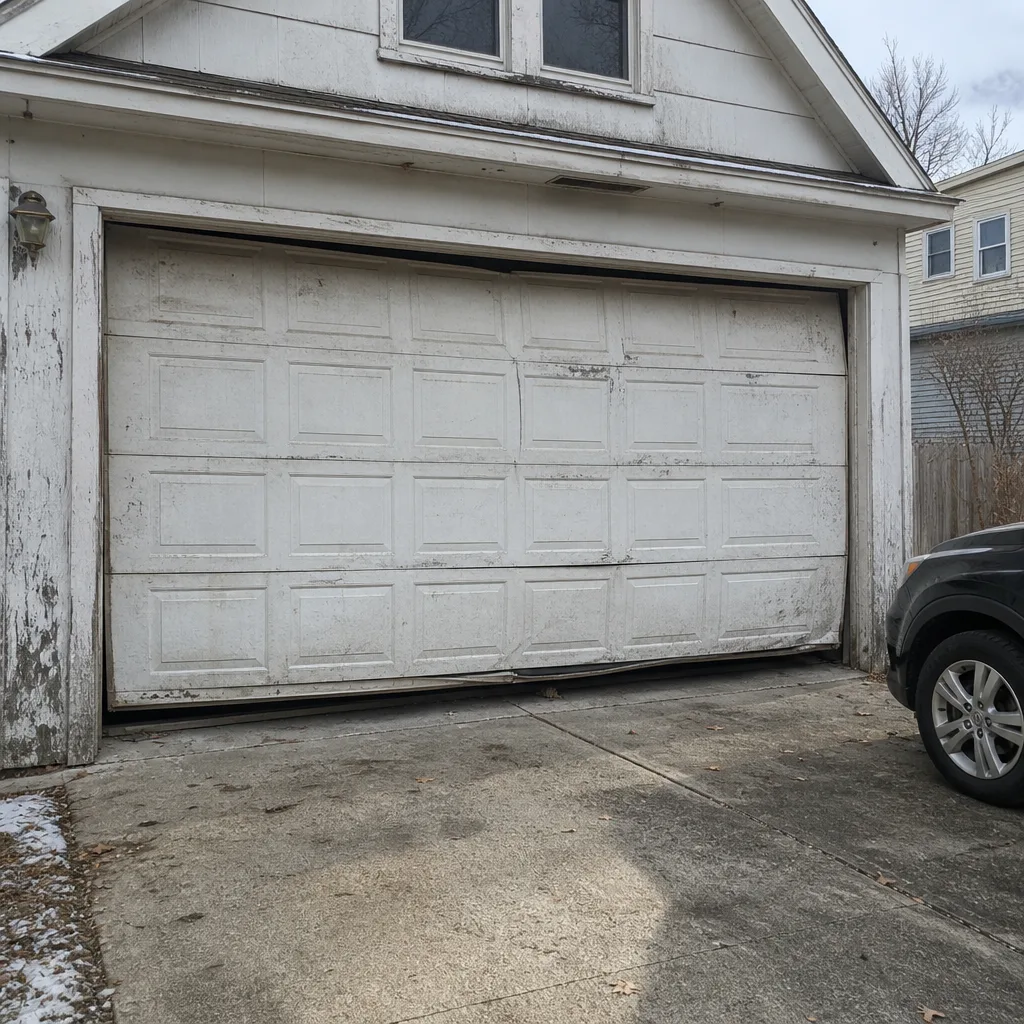
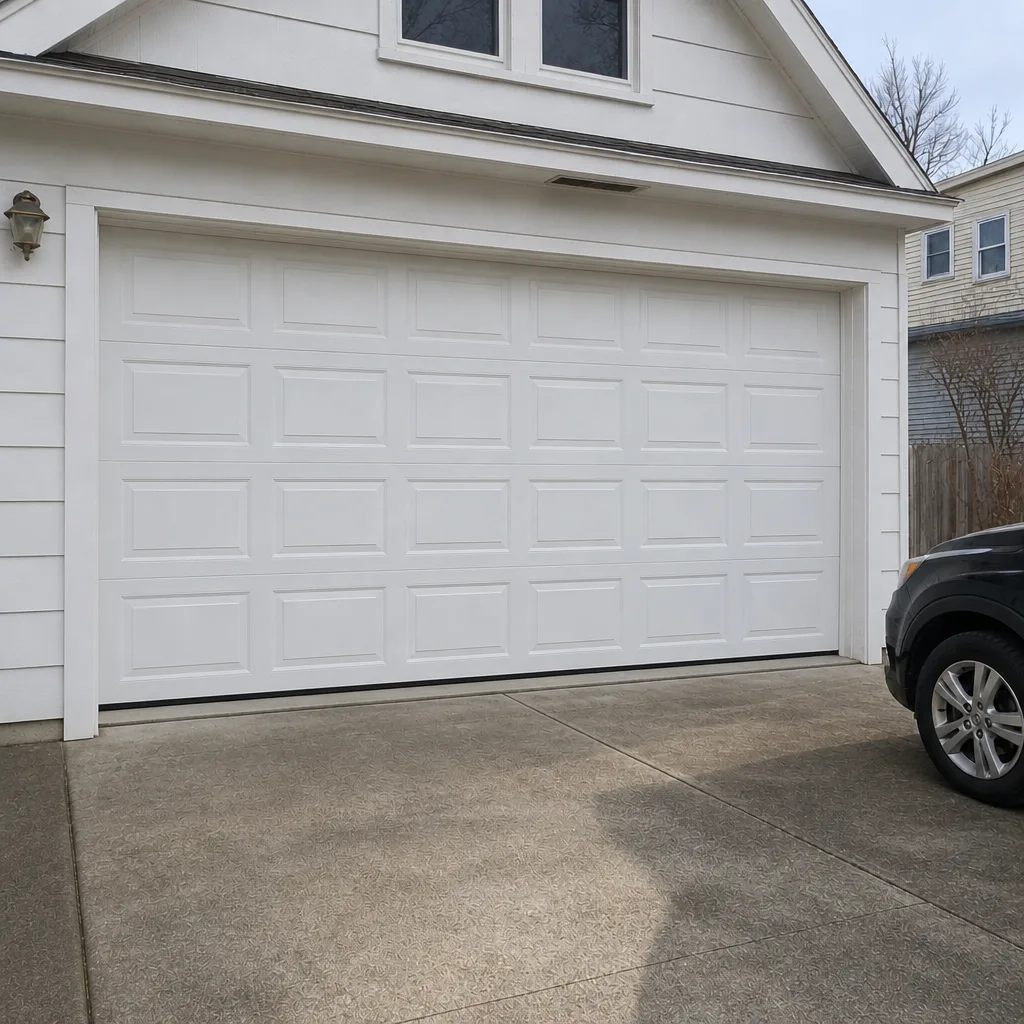
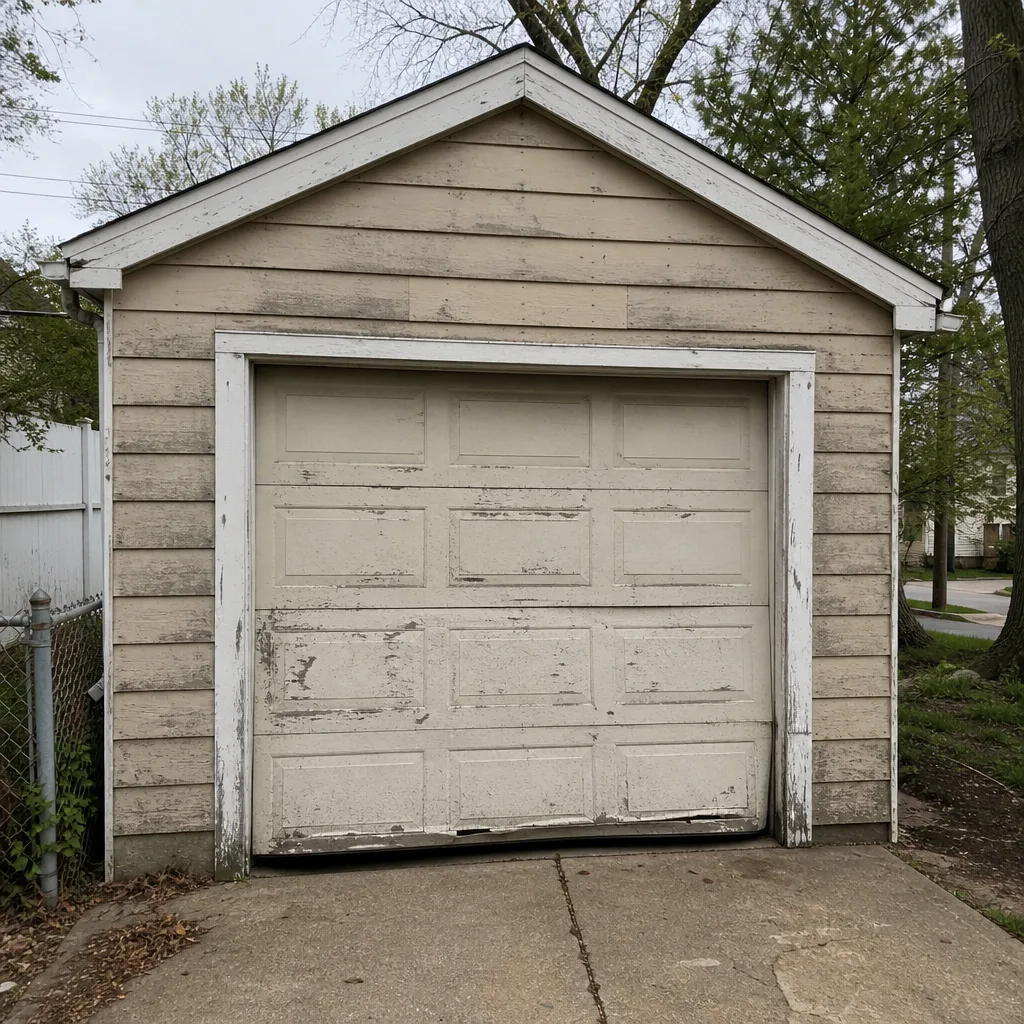
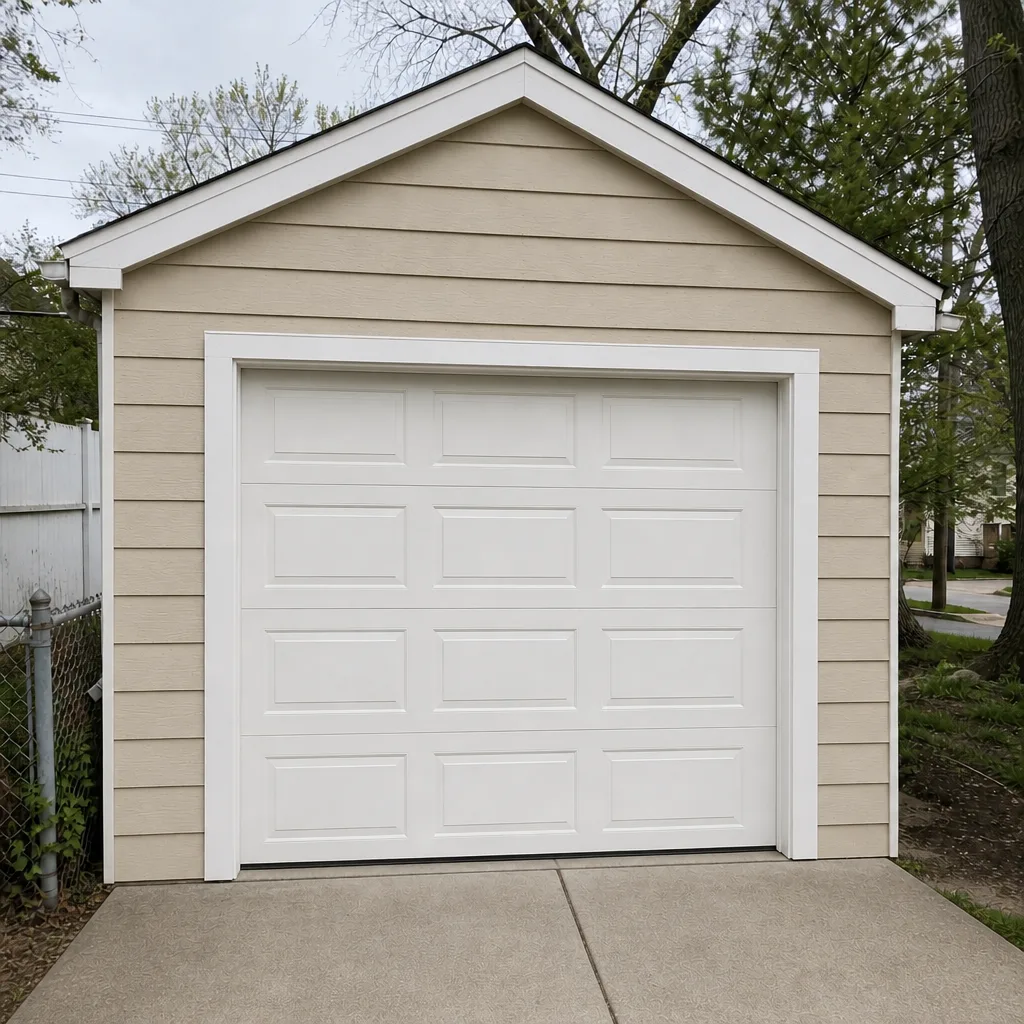
See the difference
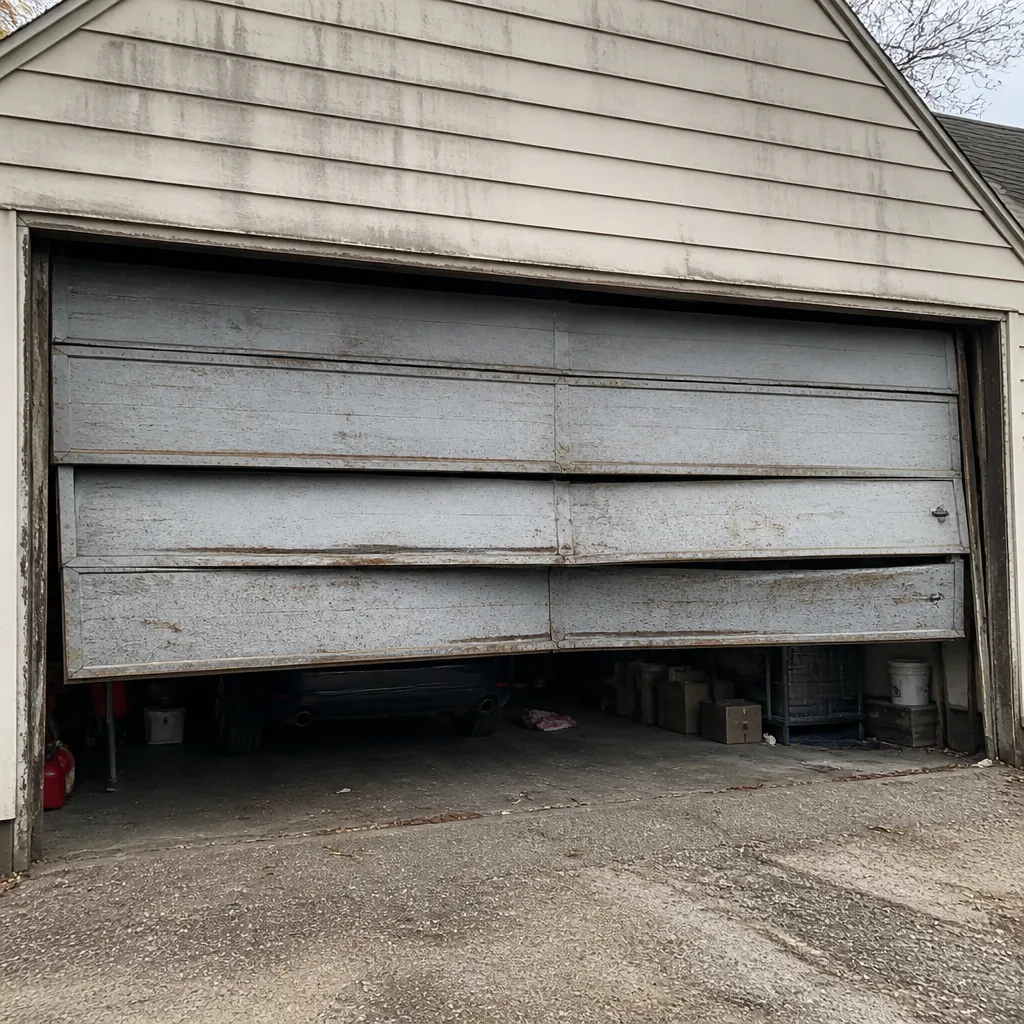 Before
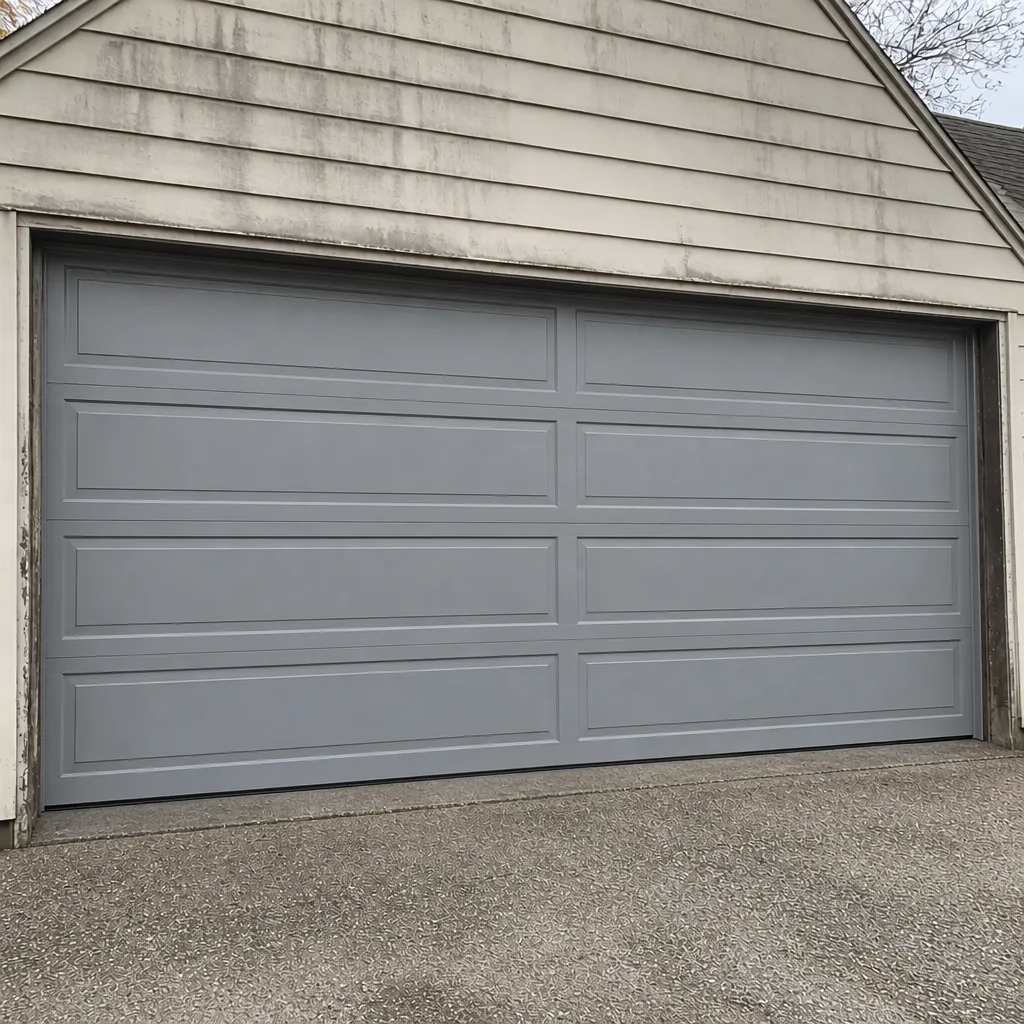 After
 Before
 After
 Before
 After
Frequently Asked Questions
Monthly is the right interval in Chelsea because of the city’s street-cleaning cycles. Grit deposits on tracks and rollers after each sweep, and monthly cleaning prevents that grit from grinding the roller bearings. A quick dry-cloth wipe of the vertical and horizontal tracks plus a light garage-door lubricant application is enough.
The tear usually happens in early spring, when overnight freezes lock a wet bottom seal to the concrete apron and a homeowner forces the door open the next morning. The seal bonds to the apron during the freeze and then tears when the door lifts. The fix is to check the seal for bonding before forcing the door, and to replace a worn seal in fall so it has full flexibility through the winter.
Yes, on wood or wood-composite panel doors. Chelsea’s summer humidity causes wood panels to absorb moisture and swell, which changes the door’s weight and can cause panel rub and a shifted balance point. A technician can adjust torsion spring tension to compensate for the seasonal weight change, but the adjustment requires specific tools and is not a homeowner job.
Most often, it’s a thermal cutout doing its job. Modern openers (including LiftMaster and Chamberlain models) shut off temporarily when the motor or electronics reach extreme temperatures. If the opener clicks but doesn’t move, wait for it to reset, then test the battery backup. If the door still won’t run after a reset, call for opener service.
Chain-drive openers are more cold-vulnerable in unheated garages. Chain lubrication thickens in cold, the chain runs stiffer, and the opener works harder. Belt-drive openers run smoother in cold and are a better fit for Chelsea’s unheated garages. If you already have a chain-drive and it’s struggling, a technician can check tension and lubrication before the next cold snap.
Don’t force it. If the door is stuck, the bottom seal may be bonded to the apron. Pour warm water along the bottom seal where it meets the concrete and try again gently. If the door still won’t lift, or if forcing it risks tearing the seal, call Chelsea Garage Door Repair Pros at (877) 492-1756 for emergency service. We handle emergency garage door calls when a stuck or failed door blocks a vehicle or compromises home security.
The Bottom Line
Chelsea’s garage door calendar is climate-specific, not generic. The worst damage happens in March, not January, because freeze-thaw cycles lock wet seals to concrete aprons. Summer humidity from the Hudson swells wood panels and shifts spring balance. Fall is the window for weatherstripping replacement with a seal profile that conforms to an uneven concrete apron. Winter exposes weak openers, particularly chain-drive models in unheated garages. And year-round, the street-cleaning grit that lands on tracks and rollers needs a monthly cleaning to prevent premature wear. The work that stays with a trained technician is specific: torsion springs, cables, bottom panel brackets, opener electrical, and track realignment. Everything else is a routine a homeowner can build into the season. Our technicians have up to 9 years of experience, and we work on LiftMaster, Chamberlain, Genie, Clopay, Amarr, Wayne Dalton, Craftsman, and Raynor systems – one call covers the whole door, not one component. When a seasonal check turns up something that needs a professional eye, call Chelsea Garage Door Repair Pros at (877) 492-1756 for a free estimate.
Written by the team at Chelsea Garage Door Repair Pros.