Last updated November 21, 2026
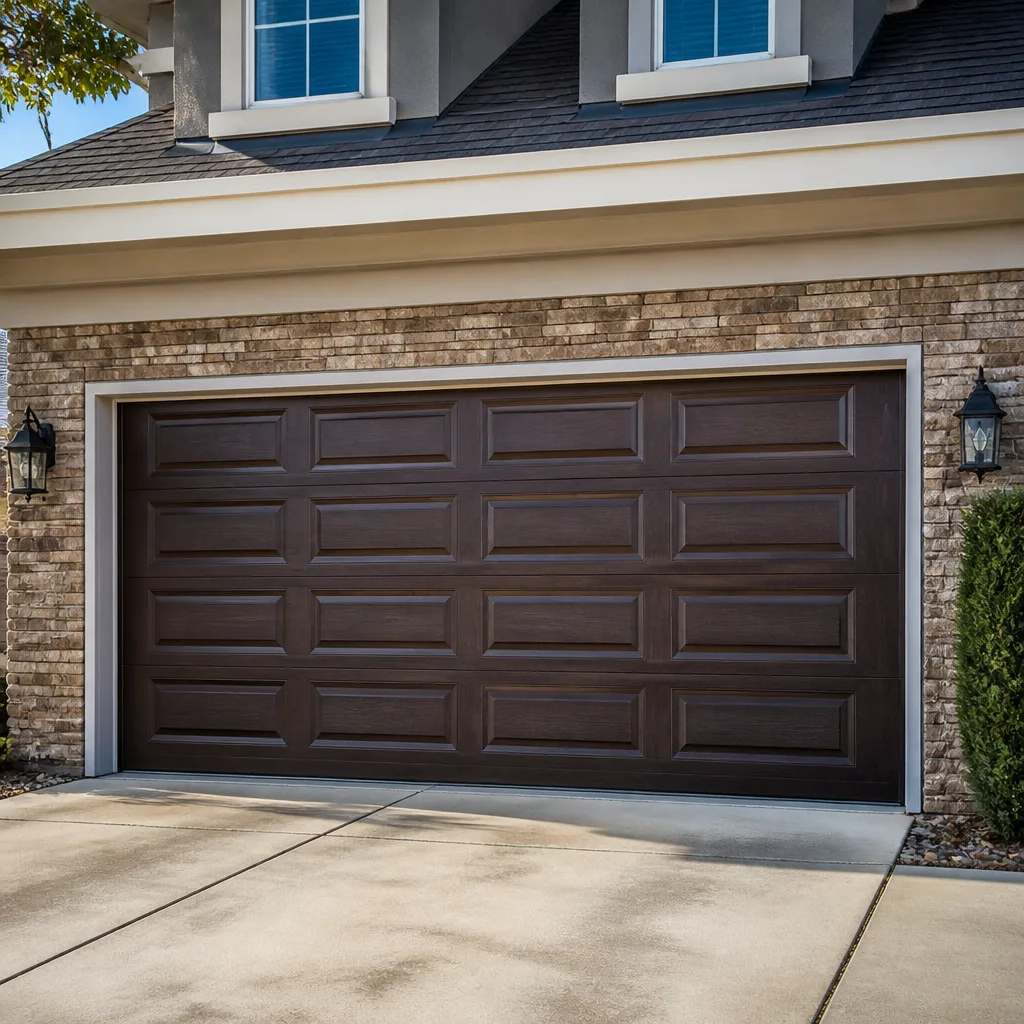 Raised-panel steel
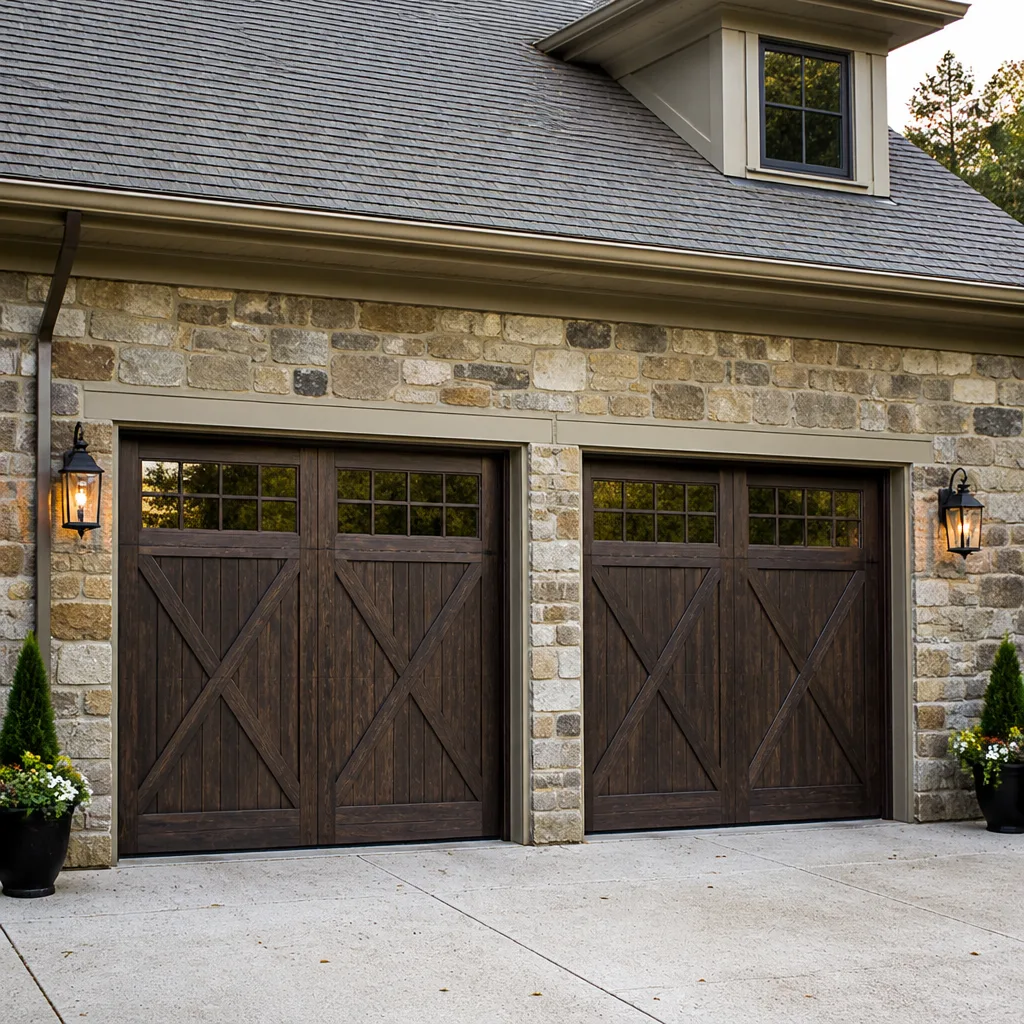 Carriage house
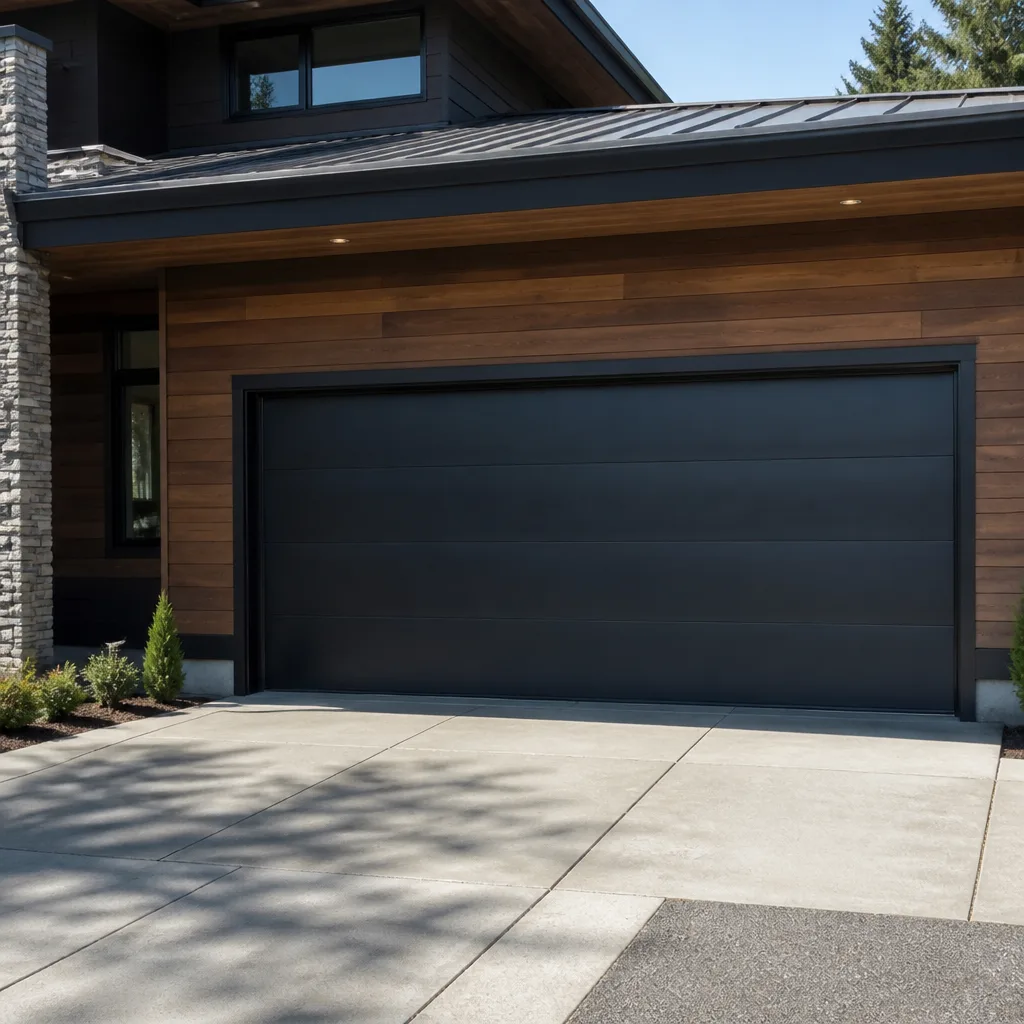 Modern flush
 Full-view glass
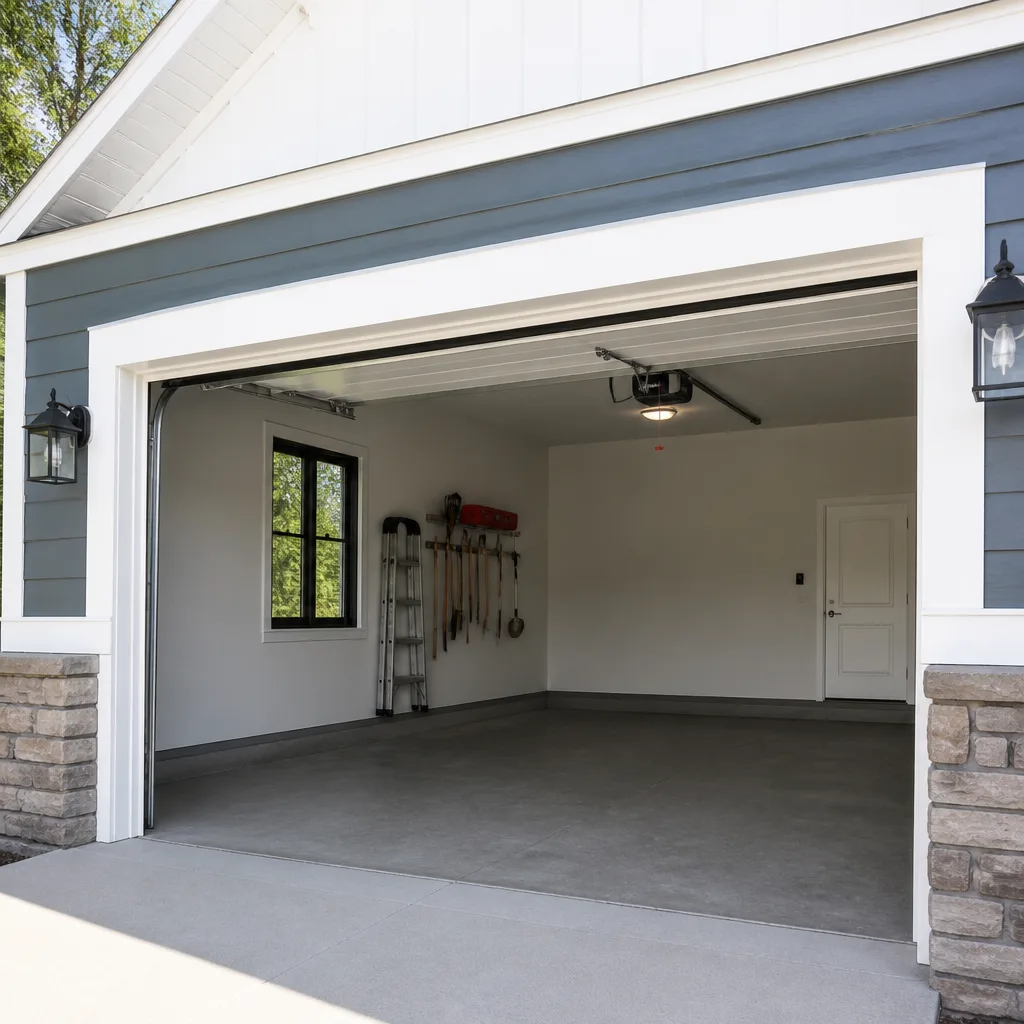 LiftMaster openers
 Chamberlain openers
Full 25-point door and opener safety check with every visit - springs, cables, rollers, tracks, and your LiftMaster or Chamberlain opener included
You get a price before we start. It does not change when the pro arrives.
Get your free estimateHow to Hire a Garage Door Contractor in Chelsea: A Step-by-Step Guide
Most homeowners shop for a garage door contractor the same way they’d shop for a plumber: check the license, get a couple of quotes, pick the middle one. That process fails here. The garage door trade has a structural quirk that no other home service has, and it costs Chelsea homeowners real money every week. A dealer tied to one manufacturer earns more when you replace the door than when they repair it. A generalist handyman earns the same either way but may not carry the torsion hardware a non-standard opening needs. Neither is dishonest. Both will steer the job toward what they’re set up to do, and your door gets caught in the middle. This guide shows you the exact questions, the quote-reading habits, and the red flags that separate a specialist from a sales channel.
Quick Answer
To hire a garage door contractor in Chelsea, verify the NYS Home Improvement Contractor (HIC) license through the NYC Department of Consumer and Worker Protection, confirm the company actually stocks torsion and extension spring inventory rather than outsourcing the dangerous part of the work, and insist on a written line-item quote before anyone starts. The right contractor will tell you honestly whether you need a repair or a replacement instead of pushing the pricier job. If a company can’t answer detailed questions about spring systems and specific opener brands, keep looking.
Styles & brands we work with
- Raised-panel steel
- Carriage house
- Modern flush
- Full-view glass
- LiftMaster openers
- Chamberlain openers
Table of Contents
- Multi-Brand Specialist vs. Single-Brand Dealer
- Five Questions to Ask Before Booking
- How to Read a Garage Door Quote
- Verifying the NYC HIC License and Insurance
- What a Legitimate Diagnostic Visit Looks Like
- Red Flags That Signal Bait-and-Switch
- Repair vs. Replace: Making the Call
- Common Mistakes to Avoid
Multi-Brand Specialist vs. Single-Brand Dealer
This is the single most important distinction in the entire guide, and it’s the one most homeowners never think to look for. When you call a shop that sells only one manufacturer’s line, the technician’s diagnostic logic is shaped by the upgrade path of that brand. When you call a multi-brand specialist, the technician’s logic is shaped by what actually failed. LiftMaster openers, Chamberlain openers, Genie openers, and Craftsman openers all fail in different ways, and a technician who has only worked LiftMaster all day will diagnose a Genie logic board the same way he diagnoses a LiftMaster logic board. He shouldn’t. The failure modes aren’t the same.
Clopay, Amarr, Wayne Dalton, and Raynor doors are built with different section profiles, different panel gauges, and different track hardware. A single-brand dealer will tell you a Wayne Dalton panel can’t be sourced and the whole door needs to go. A multi-brand specialist knows the panel is available and the repair is viable. That’s the practical difference between a repair quote and a replacement quote for the same problem.
Why this matters more on repair calls
- Parts inventory: A specialist who carries spring hardware for standard and non-standard openings can complete the repair the same day. A dealer who orders through the manufacturer’s pipeline will schedule you for later and charge the ordering premium.
- Honest diagnosis: A multi-brand shop has no upgrade path to protect. The recommendation you get is the recommendation that fits the door.
- Full-system scope: Openers, springs, panels, and hardware all get handled by the same call, so you don’t hire three contractors for one door.
- Installation and repair in one place: The shop that installs your door should also be able to service it if it fails. If the shop only does installation, you’ll be hunting for a repair tech later, and that tech will start cold.
In our experience in Chelsea, this comes up most on the older buildings where the door was installed by one shop and every subsequent repair has been done by someone else. When you’re calling a contractor, ask them straight out whether they work on the door you have, not just the brand they sell. If the answer is “well, we primarily do Clopay,” that’s your signal.
Five Questions to Ask Before Booking
A good garage door contractor will answer these in about two minutes and think nothing of it. A weak one will get defensive or start steering the conversation toward a “free” inspection that isn’t really an inspection. Ask all five before you commit to a booking.
- Do you work on torsion springs and extension springs, and do you carry that inventory? These are the most dangerous components on the door and the most common failure point. If the contractor hedges, calls them “cables,” or says they’ll “figure it out on site,” the answer is no. Torsion work is the litmus test for a real specialist. Spring repair done right the first time requires trained hands and the right tools, not a trial run.
- Which opener brands are your technicians trained on? You want brands named specifically – LiftMaster, Chamberlain, Genie, Craftsman – not “all major brands.” A contractor who has only ever worked one brand will misdiagnose the others. Brand-specific knowledge isn’t nice-to-have on opener electronics; it’s the difference between a five-minute fix and a board swap you didn’t need.
- What’s your NYC Home Improvement Contractor (HIC) license number? Ask for the number, not the company name. A licensed company can give you the number and tell you where to verify it. A company that brushes the question off is telling you something.
- What’s the warranty on parts, labor, and the door separately? These are three separate warranties, and good contractors will state them separately. A single lump warranty usually means the labor piece is thin. Ask which components are covered and for what period of use.
- What’s your emergency call policy? Doors fail at inconvenient times – the opener dies as you’re leaving for a flight, a spring snaps while your car is parked inside, the door is stuck open and your house is exposed. You want to know now whether the contractor handles emergency calls or forwards them to a voicemail box.
If a contractor can answer all five with specifics and no deflection, you’re talking to a specialist. For garage door repair in Chelsea, we’ve built our whole intake around these questions because they’re what separates a real diagnostic visit from a sales call.
How to Read a Garage Door Quote
Good quotes and padded quotes look similar at first glance. Both have “parts” and “labor” and a “total.” The difference is in the line items, and a few specific patterns will tell you which you’re holding.
Signs of a legitimate quote
- Parts and labor are broken out by component: springs, cables, rollers, opener, tracks – each on its own line.
- Specific brands are named for replacement parts. “LiftMaster 8500” is a real line item. “Premium opener” is a heading looking for a price.
- Labor hours are estimated by task, not pooled into a single “install” line that can absorb anything.
- The written total matches the verbal total, and the written document states that the written price is the price.
- Anything that is “to be determined on site” appears as a genuine open question, not as a sneaky line that balloons later.
Signs of padding
- One lump “complete service” line that hides what’s actually being replaced. This is the most common padding pattern in Chelsea because it lets the contractor decide the split after the fact.
- A “tune-up” or “safety package” line bundled in with no choice to remove it. Tune-ups are legitimate services, but they shouldn’t be forced.
- “Springs” listed for an extension-spring door with a torsion-pair price. The hardware is different and the pricing should reflect that.
- An opener replacement line on a door where the opener motor isn’t actually failed. The opener is often blamed for what is really a spring problem that’s overloading the motor.
- No warranty term by component. If everything is under “one warranty,” ask what specifically it covers.
Pricing itself varies by job, so request a written estimate before any work begins. The written estimate is the agreement, and you should confirm every line before you sign it. For a full look at the system, our garage door installation team can also walk through what replacement would actually cost you so you can compare the repair vs. replace decision honestly.
Verifying the NYC HIC License and Insurance
New York City requires home improvement contractors to hold a Home Improvement Contractor (HIC) license issued by the New York City Department of Consumer and Worker Protection (DCWP). Verifying a contractor takes about five minutes on your phone, and it’s the single fastest filter you can apply.
- Open the NYC Department of Consumer and Worker Protection website and navigate to the license lookup for Home Improvement Contractors.
- Search by the company’s legal business name, not the marketing name on the truck or the website. Marketing names and legal names are often different.
- Confirm the license status is “Active.” A “Pending,” “Lapsed,” or “Expired” status is not a green light.
- Read the license details for the business address, the licensed category, and any disciplinary history or consumer complaint record. A license number with disciplinary actions against it is not the same as a clean record.
- Ask the contractor for a certificate of general liability insurance and confirm the policy is current. If the contractor works on your property and damages it, you want a policy that will actually pay.
- Ask whether the workers on your job will be covered by workers’ compensation. If an uninsured worker is injured on site, that’s an exposure you don’t want to absorb.
The state-licensed contractor we connect you with is licensed and insured as their state requires, but that doesn’t mean you shouldn’t verify – and a good contractor will expect you to. In Chelsea, we’ve seen enough homeowners skip this step and regret it that we’ve built our intake around encouraging the check.
A note on what’s not covered by a license: licensing verifies the business meets the city’s requirements for operating as a home improvement contractor. It does not verify the technician’s actual skill on springs, openers, or door hardware. That’s why you’re asking the five questions from the previous section. The license is the floor; the technical questions are the ceiling.
What a Legitimate Diagnostic Visit Looks Like
The first visit tells you nearly everything about the contractor. A legitimate diagnostic visit has a specific shape, and once you know it you can recognize the version that’s built to escalate the job scope.
A real diagnostic visit
- The technician walks the entire door cycle with you present, then runs the door twice on manual release to isolate whether the problem is the motor, the springs, the tracks, or the hardware.
- The technician names specific components: torsion spring, extension spring, cable, roller, hinge, logic board, safety sensor, travel module. Vague wording (“the mechanism”) is a warning sign.
- The technician asks what you’ve already observed – was the door making a pop, did it reverse, does it only fail when cold, does the wall button work but not the remote – and uses the answers to narrow the diagnosis.
- You get a written quote on the spot with a line-item price for labor and for each part. The technician can walk you through why each line is there.
- The technician says explicitly what doesn’t need to be replaced.
A bait-and-switch visit
- The technician looks at the door for thirty seconds and recommends an opener replacement without cycling it or checking the springs.
- The technician uses “safety” to justify a replace-the-whole-system recommendation. Safety is real, but it should be tied to a specific failed component, not used as a general pressure lever.
- The “discount today” or “price goes up tomorrow” close. That’s a sales motion, not a diagnostic.
- The written quote leaves line items off and says “we’ll know once we start.” Legitimate unexpected failures can happen, but the base scope should be quoted before work starts.
- The technician won’t name the brand of the opener they’re proposing to install, or won’t tell you the brand of the one already on the door. Brand specificity matters, and a contractor who can’t provide it is guessing on your money.
For garage door opener repair, the diagnostic visit is usually the deciding factor between a repair and a replacement. An opener that fails because of a broken spring shouldn’t be replaced. The spring should be replaced and the opener should be tested afterward – often it was fine all along. See our quick reference on Chelsea Garage Door Repair Pros for what our own diagnostic process looks like.
Red Flags That Signal Bait-and-Switch
The garage door trade has a small number of specific tricks that show up again and again. You can spot most of them before the technician arrives by paying attention to how the first conversation goes.
- No mention of specific spring types. The technician who talks about springs only as “the springs” hasn’t worked on many. Torsion and extension springs are different systems with different failure profiles, and a real contractor distinguishes them immediately.
- The quote is suspiciously low and then expands. A “diagnostic” price that looks like a bargain often means labor and parts will be added later. The written estimate is the number that matters, not the phone quote.
- Pressuring toward replacement on the first call. Replacement is a legitimate answer to some problems, but it should never be the default recommendation on a door that could be repaired. A contractor who leads with replacement is telling you how they price jobs.
- Refusing to name the opener brand. On a door that says LiftMaster, the quote should say LiftMaster. On a door that says Chamberlain, it should say Chamberlain. A generic “high-quality opener” is a way to swap in a cheap unit at premium pricing.
- Cash-only payment without a written contract. The written contract is your protection. No contract means no warranty, no recourse, no paper trail.
- No phone number on the website, only a contact form. A real contractor wants to be reached. Form-only contact pages usually mean a lead-generation operation that sells your call to a subcontractor.
- Promises of same-day service on a replacement. Replacement involves measuring, ordering, and scheduling. Contractors who promise same-day replacement are either misleading you or ordering ahead without you knowing what you’re getting.
Emergency service is a real category and a real offering – a door that won’t move, a spring that snapped, or a car trapped inside is a genuine emergency, and a real contractor will respond to it as one. But “emergency” is not a loophole that justifies a rush job at premium pricing on a routine repair. The scope of the emergency and the scope of the quote should match.
Repair vs. Replace: Making the Call
This is where the multi-brand vs. dealer distinction shows up in dollars. A single-brand dealer has built-in pressure toward replacement because their business model is built on new door installs. A multi-brand specialist has no such pressure and will give you the actual comparison. Here’s the honest version:
Repair is usually the right answer when:
- The door panels are structurally sound – no rust-through, no cracked sections, no separated seams.
- The tracks are straight and the rollers are moving freely.
- The springs are the only component that has failed.
- The opener is old but functional, and the door cycles correctly under manual release.
- The door is ten years old or newer and the hardware is still within tolerance.
Replacement is usually the right answer when:
- Multiple spring failures have occurred within a short window, which suggests the door is overweighting its hardware.
- Panel or track damage is structural, not cosmetic – a bent track can’t be straightened to factory tolerance.
- The door is decades old and the parts for its opener or hardware are no longer manufactured. Craftsman and older Genie systems sometimes reach this point, and at that stage a rebuild can cost more than putting in a modern LiftMaster or Chamberlain with connectivity built in.
- The safety sensors on the current opener can’t be made to function reliably, and the opener’s age makes retrofit impractical.
- You’re doing other work on the home that will make the door replacement easier in sequence.
A fair contractor will tell you which category you’re in, name the specific evidence, and quote the comparison. A single-brand dealer will usually quote the replacement, mention repair vaguely, and let the price difference do the rest. Insist on the comparison quote. The written repair price versus the written replacement price, side by side, with the component difference spelled out, is the only way to make this decision honestly. For Chelsea homes with specific space constraints or unusual opening sizes, the repair side often wins because standard replacements don’t fit the structural envelope.
Common Mistakes to Avoid
- Skipping the HIC lookup. It takes five minutes and eliminates a certain percentage of unqualified operators immediately. The contractors worth hiring expect you to check.
- Treating an online “repair quote” as a real number. Phone quotes are guesses. The written estimate after a real diagnostic is the number that matters, and it’s the one you should sign against.
- Accepting an opener replacement without a spring test. Most “failed” openers are working fine – they’re just overloaded by a broken spring. Replacing the opener without addressing the spring wastes money and leaves the real problem in place.
- Choosing on price alone. The lowest quote is often the least itemised. A contractor who cuts scope to win the price is going to cut scope during the job when they run into something unexpected. The written estimate, with every component named, is the likeliest predictor of what you actually pay.
- Assuming a brand name on the truck means brand expertise. A dealer sticker tells you who their supplier is, not what they’re trained on. Ask which brands their technicians have worked on.
- Paying in full before the door cycles. Final payment should follow a full manual-release cycle, a full powered cycle, and a confirmation that the safety reversal works. Walk through it with the technician.
- Booking a generalist handyman for spring work. Springs are stored energy in coiled steel. A technician with the wrong tools and the wrong training can be seriously injured, and the door can fail dangerously after a bad install. This is the one component on the door that should never be DIY or handled by a generalist.
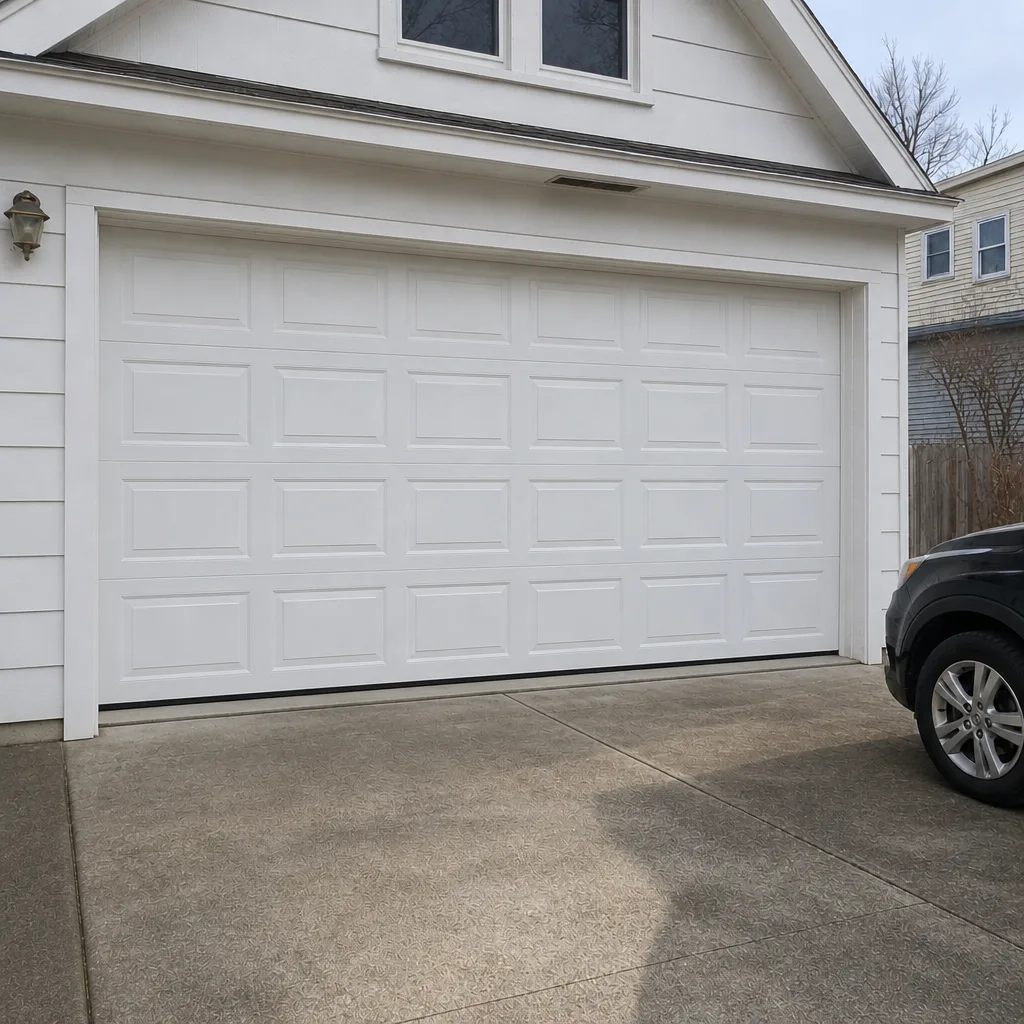
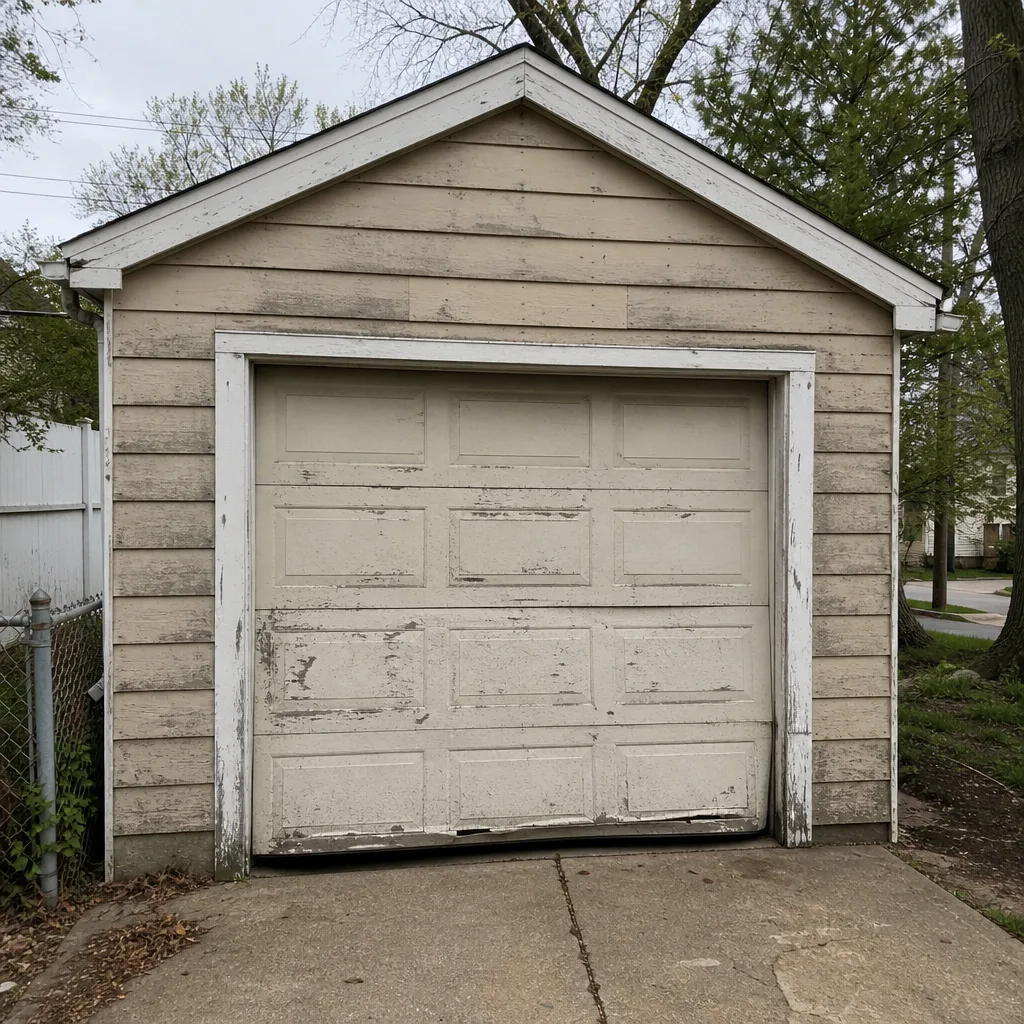
See the difference
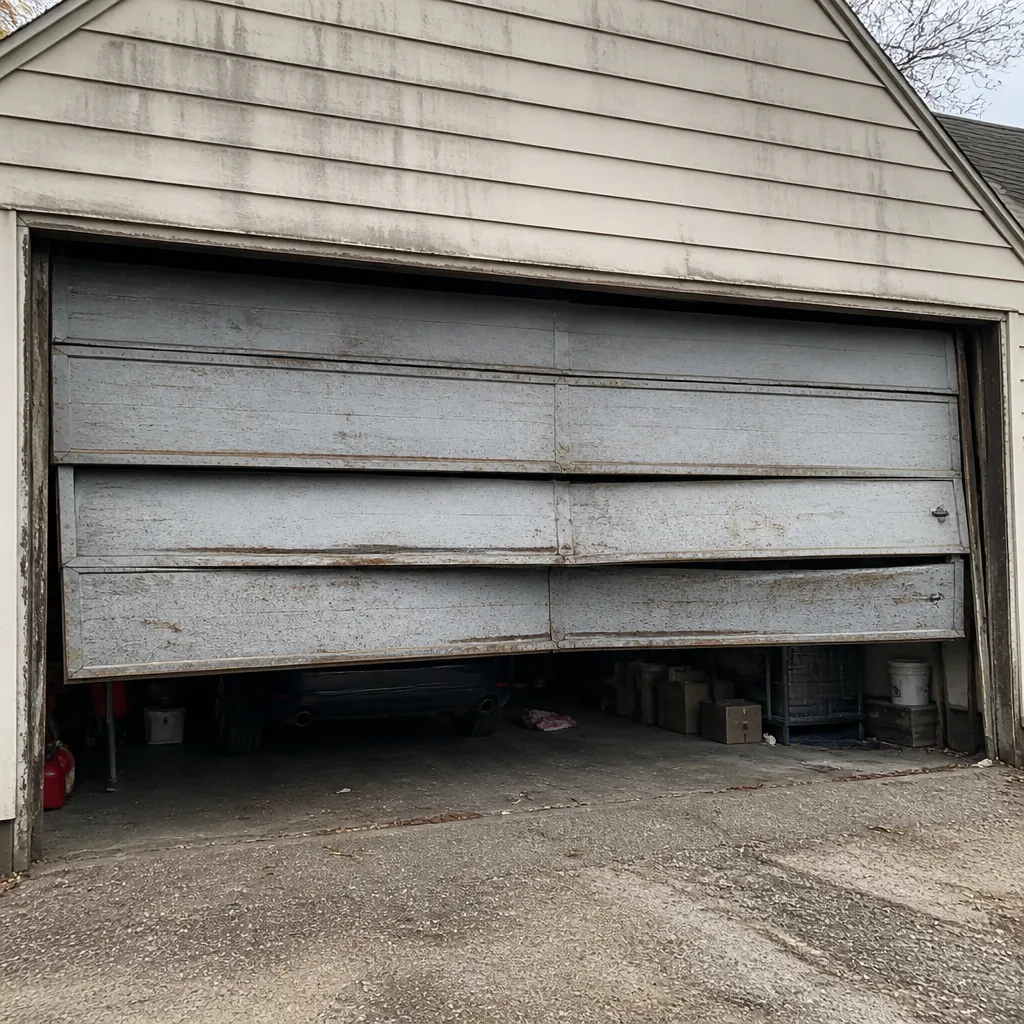 Before
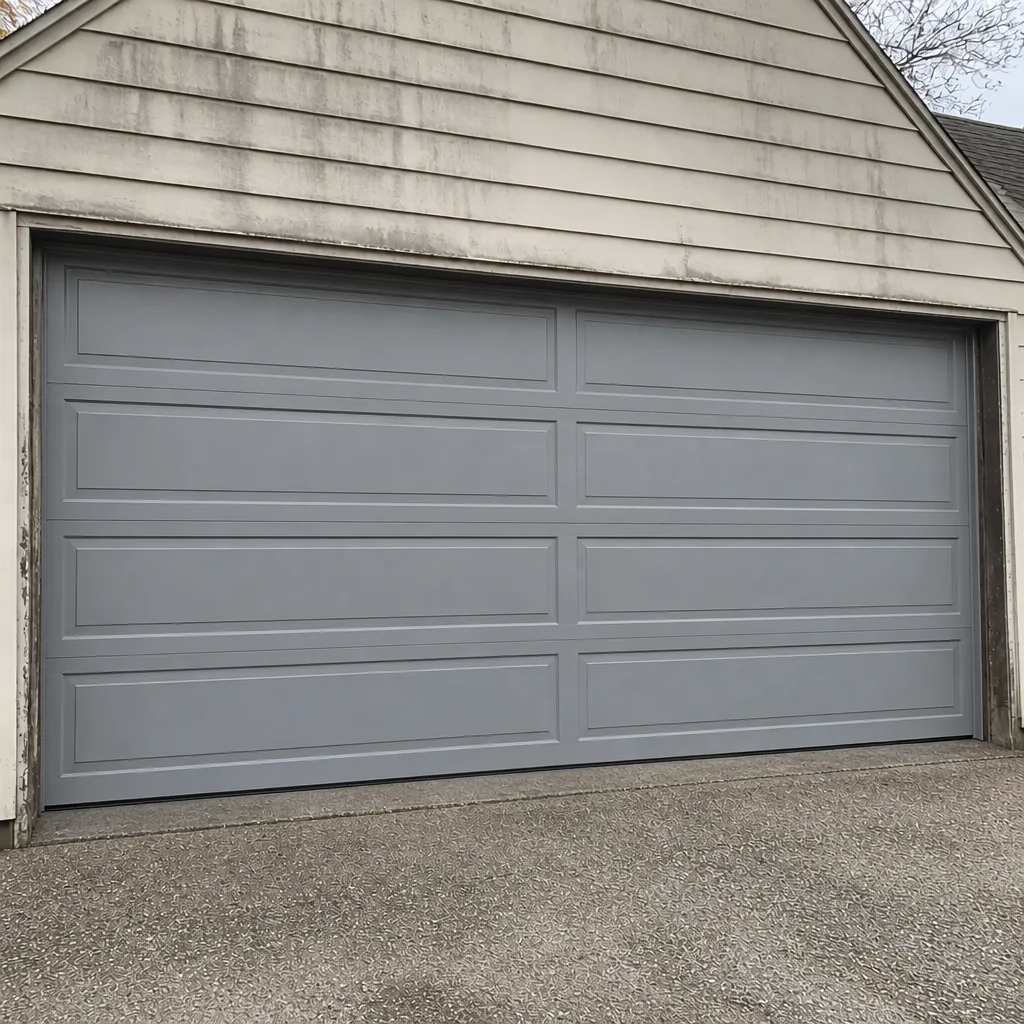 After
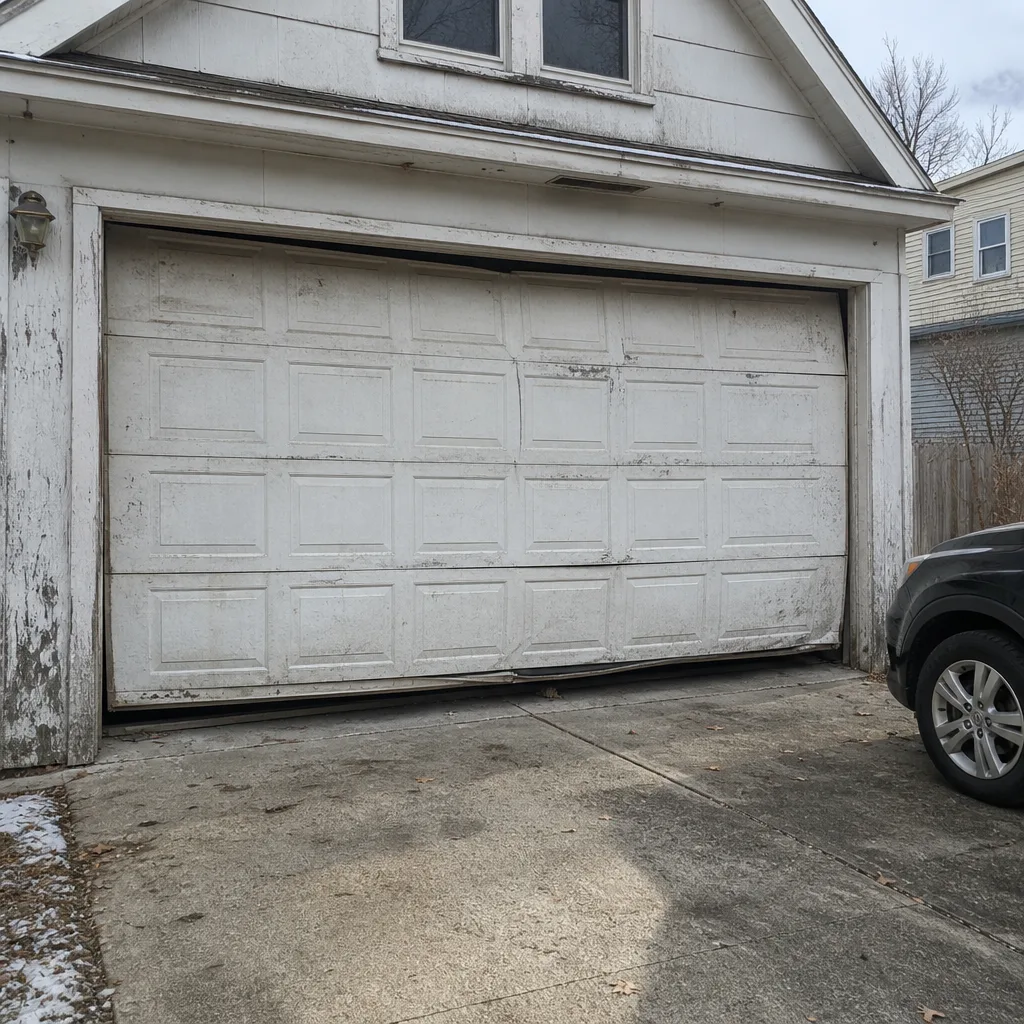 Before
 After
 Before
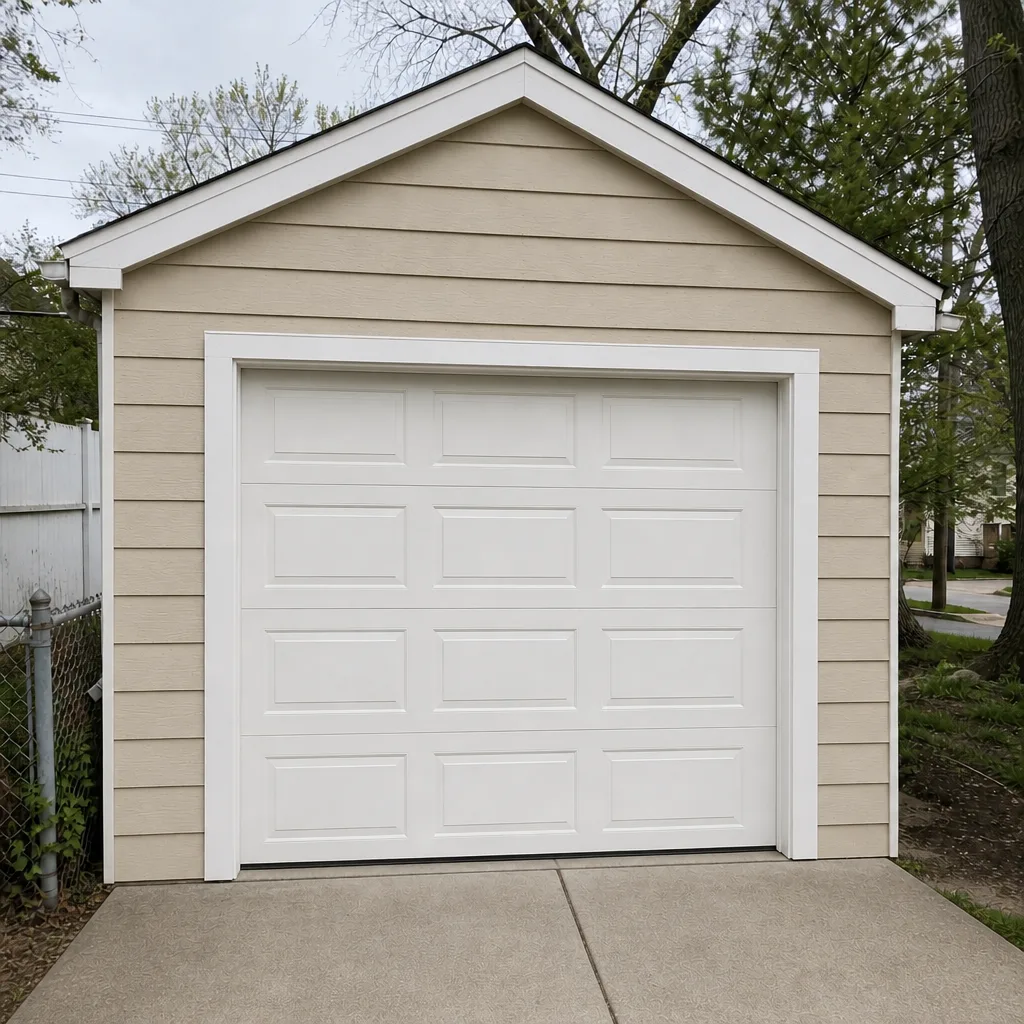 After
When to Call a Professional
Some problems are genuinely worth a call even outside an emergency. If your door reverses on every close, the safety sensors are telling you something is wrong – either the sensors themselves or a mechanical issue that shouldn’t be ignored. If the door lifts unevenly or sags on one side, the springs are no longer matched, and running it that way will damage the opener motor over time. If you hear a loud snap and the door won’t lift, a spring has failed and the door is under-collapsed tension; don’t try to lift it manually. If the opener light flashes and the door reverses for no apparent reason, the logic board may be failing, but a spring test will confirm whether the issue is mechanical before you replace electronics. And if the door won’t move at all and your car is behind it, that’s an emergency – call us. Chelsea Garage Door Repair Pros offers free estimates in Chelsea – call (877) 492-1756.
Frequently Asked Questions
Look up the company’s legal business name on the NYC Department of Consumer and Worker Protection Home Improvement Contractor (HIC) license database. Confirm the license is Active, check for any disciplinary history, and ask for a current certificate of general liability insurance alongside the license. Any contractor who resists the verification isn’t the contractor you want.
Spring repairs and opener repairs are almost always cheaper than a replacement, and they’re the right answer when the door panels and tracks are structurally sound. Replacement enters the picture when the structure is compromised or the components are no longer manufactured. Call (877) 492-1756 for a free estimate and a written comparison between the two options.
Emergency garage door service is a core offering for us because a door that won’t move blocks your vehicle and leaves your home exposed. Call (877) 492-1756 and describe what the door is doing – the specific symptom tells us whether it’s a spring, a track, or the opener, which determines what tools and parts come to your door.
City code requirements vary, so ask the NYC Department of Buildings if you’re unsure whether a permit is required for your specific installation. For repair work on a door already in place, permits are usually not required, but replacement or structural changes can trigger requirements. Your contractor should be willing to point you to the right department, not wave the question off.
The state-licensed contractor we connect you with is licensed and insured as their state requires. Ask for the HIC license number and a certificate of insurance before work begins. If you skip this step and something goes wrong, the recourse is much thinner. Our technicians have up to 9 years of experience on the brands we specialize in: LiftMaster, Chamberlain, Genie, Clopay, Amarr, Wayne Dalton, Craftsman, and Raynor. Call (877) 492-1756 to verify credentials on any quote.
Because the dealer’s business model is built on new door installs, not repairs. The upgrade path of a single manufacturer runs toward the newest model, not toward the smallest possible fix. A multi-brand specialist has no upgrade path to protect and can quote repair honestly when repair is the right answer. If your quote leads with replacement on a door that’s structurally sound, ask for the repair comparison in writing before you sign anything.
The Bottom Line
Hiring a garage door contractor in Chelsea is not a licensing check alone – it’s a filter for the two failure modes in this trade: the single-brand dealer who quotes a full replacement when a spring swap will do, and the generalist handyman who doesn’t stock the torsion hardware a non-standard opening needs. Ask the five questions up front, verify the HIC license and insurance in real time, insist on a written line-item quote with brands named, and watch for the diagnostic pattern that’s built to escalate scope. The right contractor will answer all of it in a few minutes and think nothing of it. That’s the one worth calling back.
A door that won’t move, a spring that’s failed, or an opener that’s sending the door the wrong way – those are the moments the choice of contractor really matters. We handle emergency garage door service as a core offering, not an upsell, and we work across the opener brands – LiftMaster, Chamberlain, Genie, Craftsman – and the door hardware brands – Clopay, Amarr, Wayne Dalton, Raynor – so one call covers the whole system. If you’d like a free estimate with a written line-item quote before any work begins, call (877) 492-1756. We’ll give you the honest comparison, even when the honest answer costs us more than the alternative.
Written by the team at Chelsea Garage Door Repair Pros.