Last updated November 21, 2026
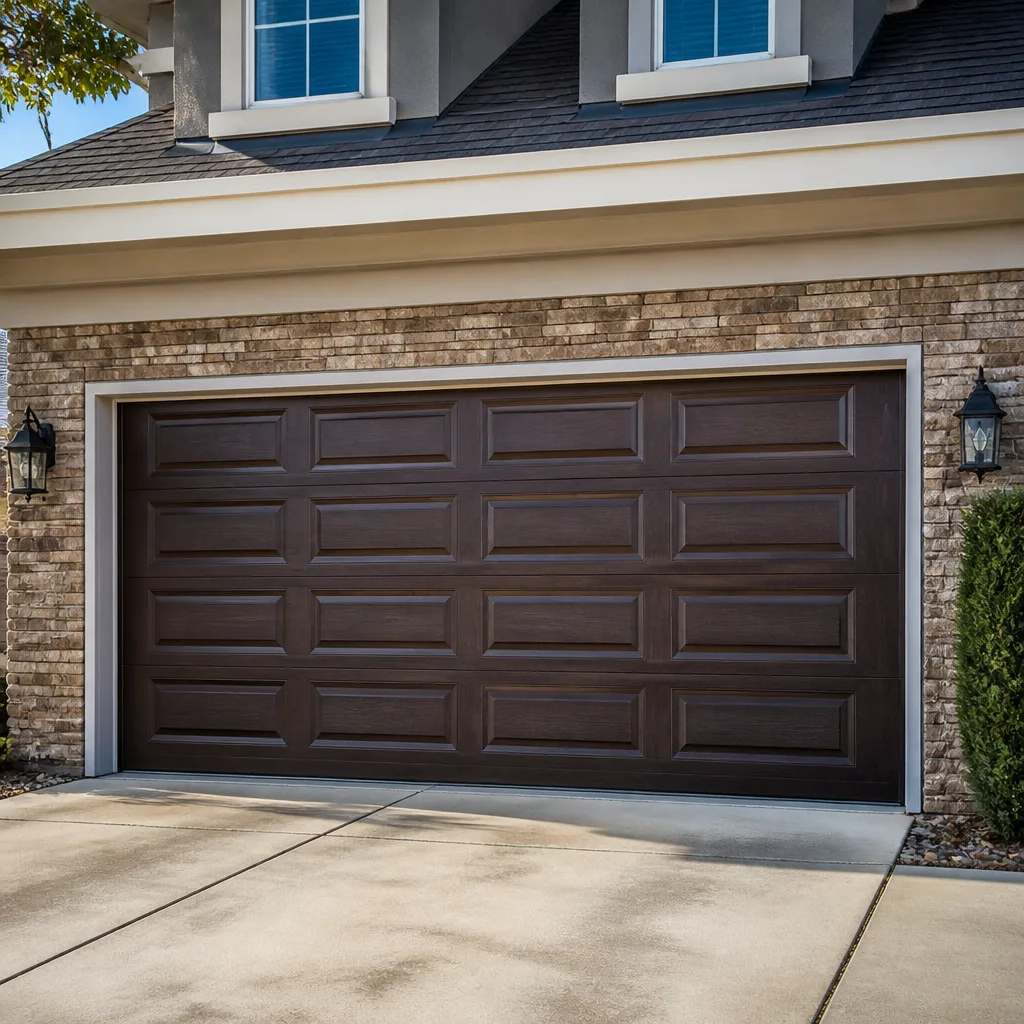 Raised-panel steel
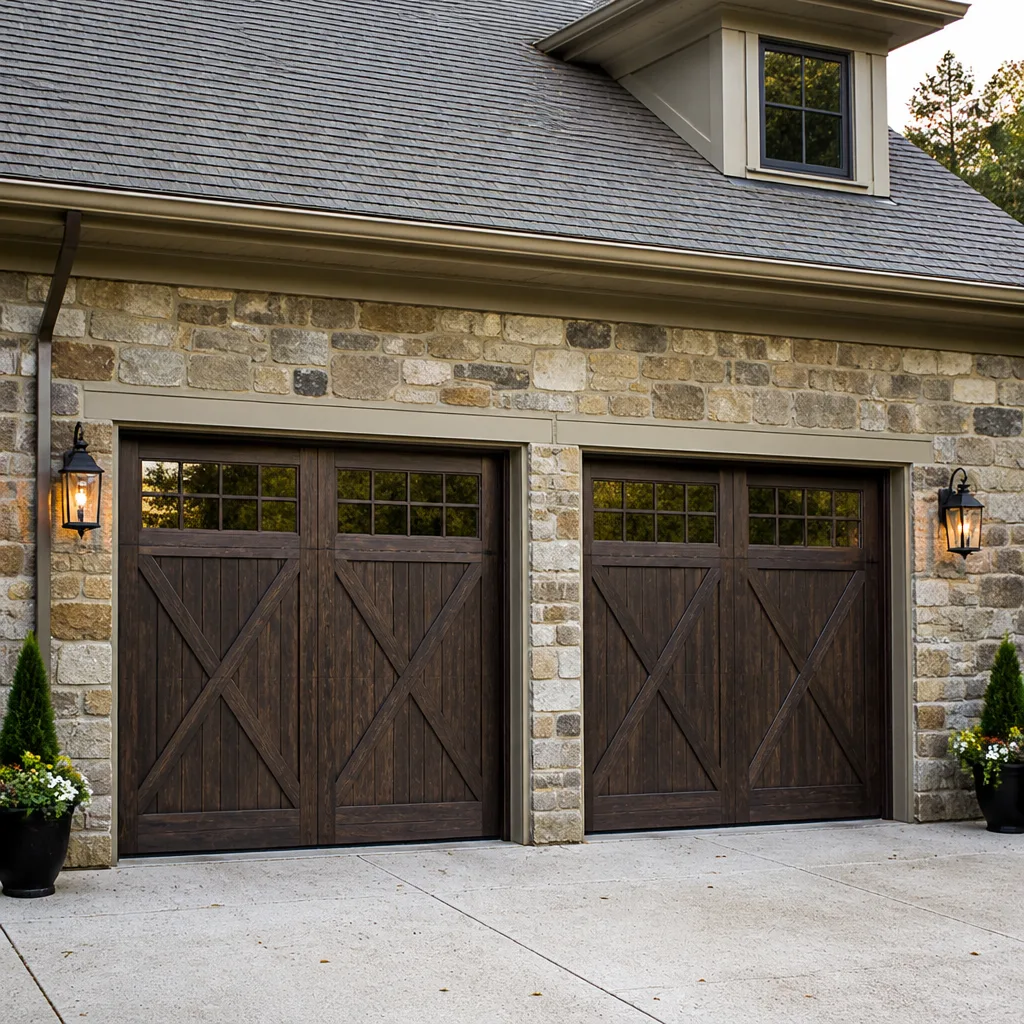 Carriage house
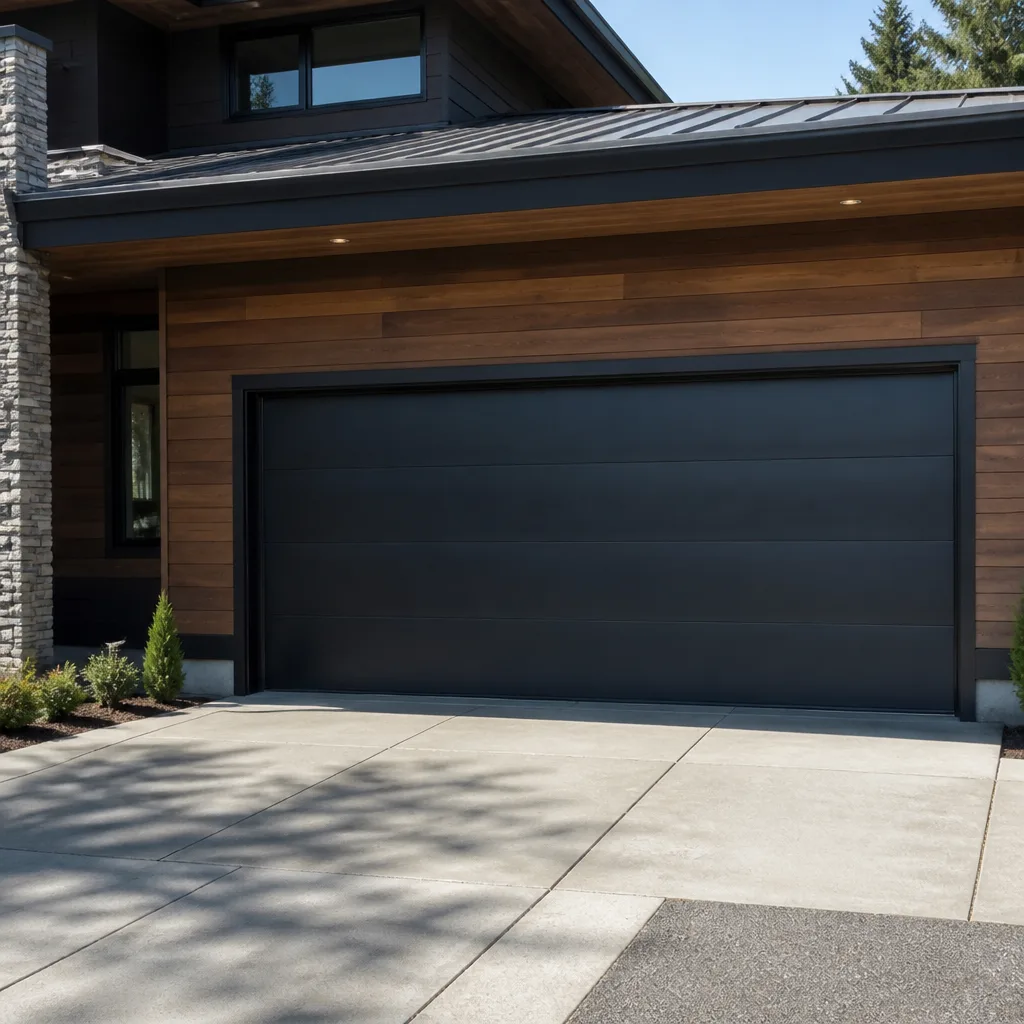 Modern flush
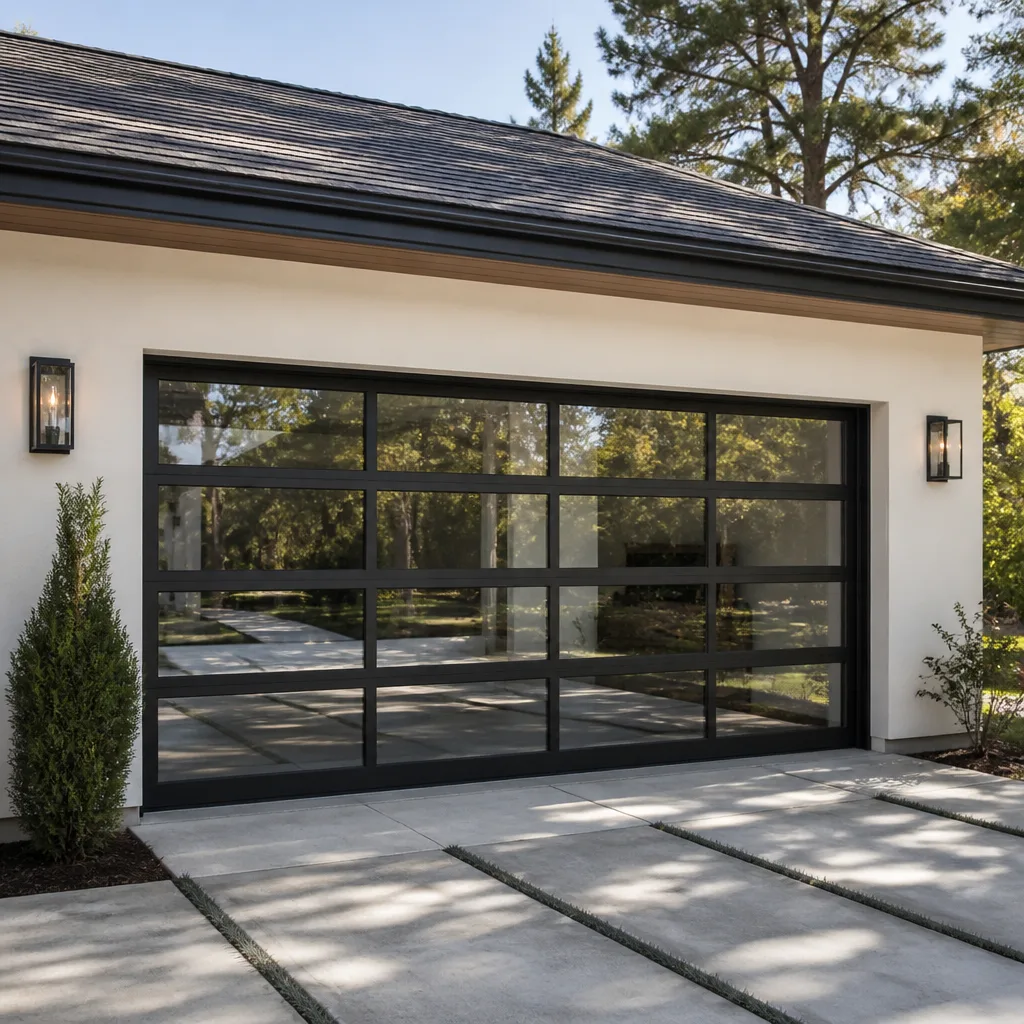 Full-view glass
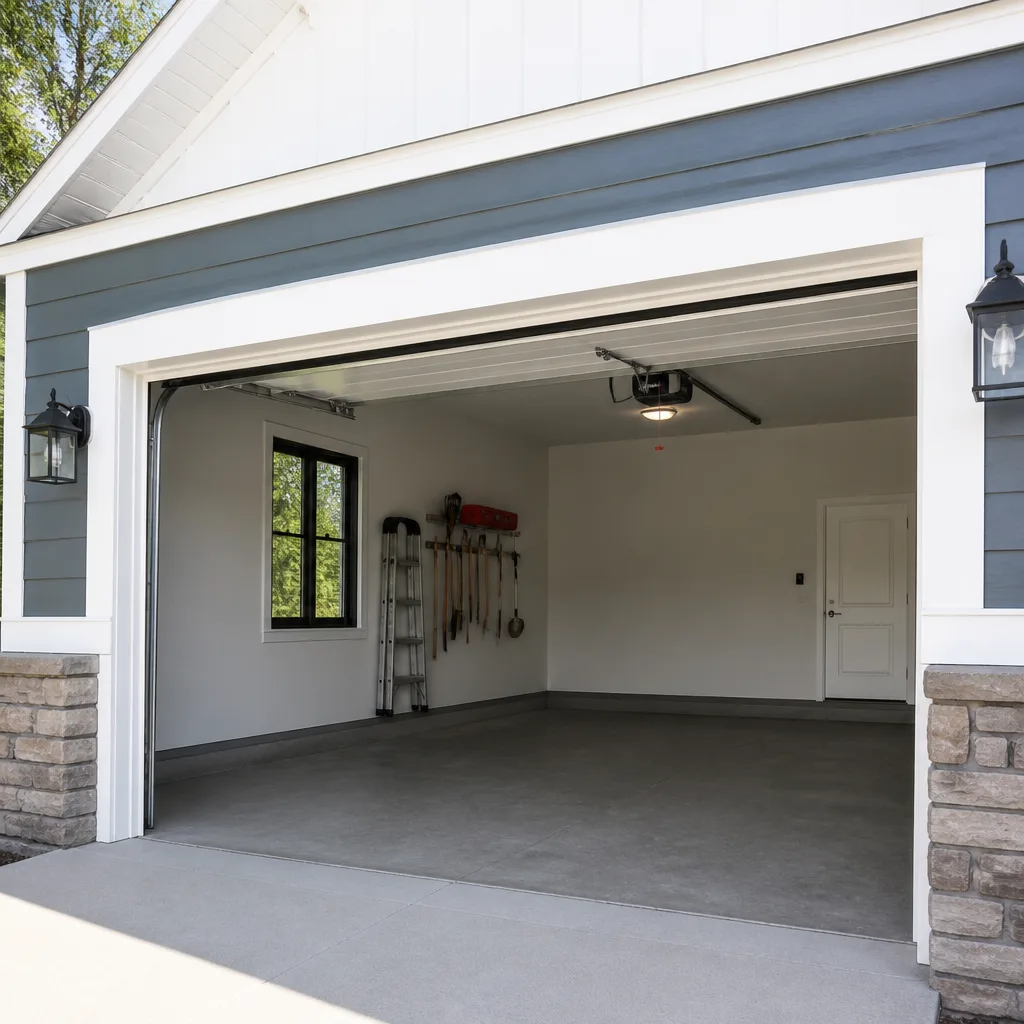 LiftMaster openers
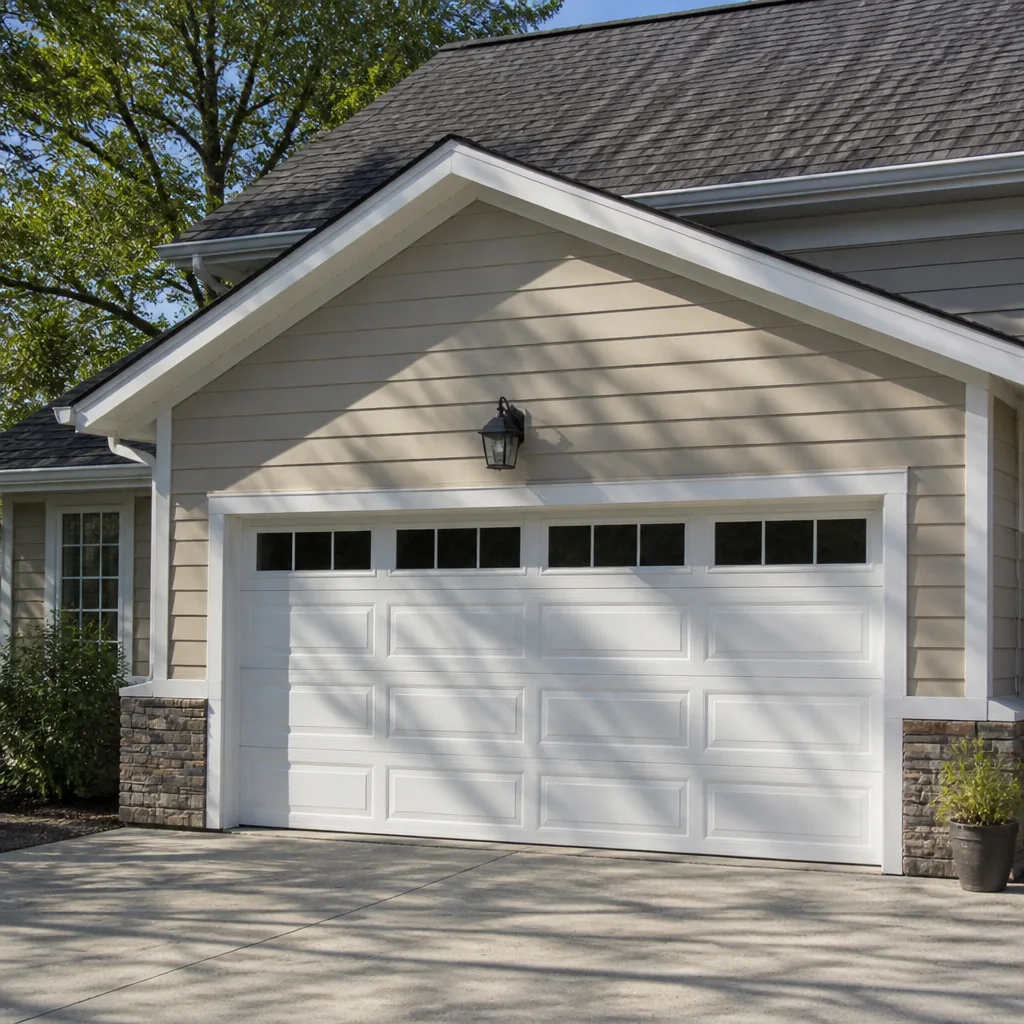 Chamberlain openers
Full 25-point door and opener safety check with every visit - springs, cables, rollers, tracks, and your LiftMaster or Chamberlain opener included
You get a price before we start. It does not change when the pro arrives.
Get your free estimateGarage Door Warning Signs: A Chelsea Homeowner’s Reference Guide
Most homeowners call us after the door stops moving. By then, the failure has already happened, and the conversation shifts from prevention to repair. Here’s the part that catches people: a torsion spring on a double-width Chelsea brownstone door normally gives off seven to ten separate warning signs over roughly 60 days before it breaks. Almost none of them look like spring trouble. Most get blamed on the opener, which is why so many first service calls land on the wrong component and the real problem keeps getting worse in the background.
This guide is about the signals that come before a breakdown. You’ll learn how to read the noise your door makes, how to spot the movement patterns that point to a specific part, and what to check visually in places nobody thinks to look. You’ll also learn a simple manual test that tells you whether your door is balanced or quietly losing tension. None of it requires tools. All of it gives you time.
Quick Answer
The warning signs of a failing garage door in Chelsea NY are early, specific, and easy to misread: grinding that starts mid-travel points to a worn roller, a repeated clunk at the same door position points to a loose track bolt, and a door that slows unevenly or drifts on close points to a cable or balance problem rather than the opener. A torsion spring on a double-width door typically gives seven to ten of these signals over about 60 days before it breaks. Catching them early usually means a smaller repair and a door that keeps working.
Styles & brands we work with
- Raised-panel steel
- Carriage house
- Modern flush
- Full-view glass
- LiftMaster openers
- Chamberlain openers
Table of Contents
- Why warning signs matter more than breakdowns
- How to read your door by sound
- Movement red flags that point to a specific part
- The visual inspection points almost nobody checks
- When opener behavior really means spring balance loss
- The emergency disconnect test as a diagnostic
- What Chelsea homes do to garage doors
- When to call a professional
Why Warning Signs Matter More Than Breakdowns
A door that won’t open isn’t a warning sign. It’s a finished event. The useful information comes earlier, in the weeks when the door still works but doesn’t work the way it used to. That window is where money gets saved, and it’s where most homeowners look in the wrong direction.
The reason is simple: a garage door is a system, and its parts fail on different timelines. Springs lose tension gradually. Rollers flat-spot and start to drag. Cables stretch. Track bolts work loose from the vibration all of that creates. When one part starts to go, it often produces a symptom that looks like it belongs to a different part entirely. The motor strains to lift a door the springs are no longer helping with, so the homeowner hears a struggling opener and assumes the motor is dying. Or a cable slips slightly and the door slows on one side, and the diagnosis becomes “the opener needs replacing.”
In Chelsea, that misread costs more than it does in a lot of places. The housing stock here is old and built tight. A single-car door tucked under a stoop, or a double-width door on a brownstone, has a narrow tolerance before a small alignment problem becomes a panel problem. Catching the issue at the noise stage costs far less than catching it after a panel has been dragged off its track. Our technicians have up to 9 years of experience, and the pattern is consistent on almost every diagnostic visit: the customer points at the opener, and the real fault is upstream of it.
This guide is written from Chelsea, for Chelsea. Everything in it applies to the doors mounted on the buildings you walk past every day, whether that’s a Clopay panel door on a renovated row house or an original Wayne Dalton that’s been opening the same way for years.
How to Read Your Door by Sound
Sound is the most underused diagnostic tool a homeowner has, because the tone, the timing, and the position of the door when the noise happens together identify the part. A grinding that starts at one point in the travel is telling you something completely different from a grinding that runs the whole way through.
Stand in the driveway or the garage with the door closed and listen to a full open-and-close cycle. Then run it again and pay attention to when things happen, not just what they sound like. Here’s what the three most common sounds mean:
Grinding: worn roller, not the opener
A grinding noise that begins partway up the travel and gets louder as the door rises is usually a flat-spotted or seized roller dragging against the track. It tends to start on the curves of the track because that’s where a seized roller has to turn hardest. If the grinding is present from the very first inch, check the track itself for a dent or a piece of debris before you look at rollers. A Clopay steel door on a tight Chelsea lot tends to pick up grit on the lower rollers faster than a fiberglass or wood door, so this one shows up here more than people expect.
Clunking: a loose track bolt or hinge
A single clunk, repeating at the exact same door position every cycle, is a mechanical contact problem. That’s a track bolt that’s backed off, a hinge that’s loose, or a roller stem that’s rattling in its bracket. The position is your clue: note where the door is when you hear it and look at the hardware near that height. A clunk that only happens on the way down, right before the door meets the floor, points to the bottom section or the floor seal rather than the track above.
Rattling or clicking from the motor housing: opener drive gear
If the noise comes from the ceiling unit rather than the door, the opener drive gear is the likely source. LiftMaster and Chamberlain units have a nylon drive gear that can wear down and start skipping, producing a rattle or a rapid clicking as the motor turns without moving the belt or chain smoothly. A Genie chain drive will sound different again, more of a repetitive slap than a click. That’s the value of brand-specific diagnosis: the same symptom on three different openers can mean three different parts.
One more sound worth knowing. A high-pitched squeal or scrape on the way down only, that stops when you hold the wall button, is often the safety sensor or a roller, not a mechanical failure. Don’t start replacing parts based on one sound. Run the cycle two or three times and confirm the pattern before you call for garage door opener repair.
Movement Red Flags That Point to a Specific Part
Watch the door, not the ceiling. A door that moves oddly is telling you which part is failing, and once you know the pattern you can identify the fault before a technician arrives.
Here’s what to watch, in order:
- Uneven travel speed. Open the door and watch the gap between the top of the door and the header. If the gap grows at a steady rate on one side and lags on the other, the door is racking. On a torsion system, this points at a cable, not a spring, so resist the urge to conclude “spring.”
- Door drift on close. Close the door halfway, release the opener (or use the manual release if you’re comfortable), and see whether it holds. A door that slides down on its own within a few seconds is losing balance. That’s the spring’s job, and a door that won’t hold still is telling you it’s no longer doing that job.
- The one-side-drops symptom. When one side of the door visibly hangs lower than the other, especially right at the start of a cycle, you’re usually looking at a slack or broken cable rather than a broken spring. A cable failure on a torsion system can let one corner drop with nothing to stop it, so treat this one as a call-today issue, not a call-this-week issue.
- Slow, labored lift with a warm motor. If the door takes longer and longer to open and the motor housing feels hot, the door is heavy. That’s balance loss, which almost always traces back to springs, not the motor.
- Reversal or stuttering near the floor. A door that reverses on its own before it touches the ground is often a sensor alignment issue, but if the door is stuttering rather than cleanly reversing, a binding track or a worn roller is fighting the travel.
The Chelsea detail that matters here: doors on the older brownstone stock are often heavier than the panels they were originally spec’d for, because hardware has been swapped and added to over the years. A door that was balanced when it was installed can lose that balance when something as simple as a hinge gets replaced with a heavier one. If your door has had hardware work done in the last year and it suddenly starts to drift, that’s the place to look first.
The Visual Inspection Points Almost Nobody Checks
Most homeowners look at the panels and the door seal. Those are the least informative parts of the system. The parts that predict failure are small, dark, and out of the way. Look for them on every door cycle, but look with your eyes only, and keep your hands clear. Under torsion spring tension, some of these components are under stored force.
Three checks are worth making part of your routine:
- Winding cone set screws. Look up at the springs over the door. At the end of each spring assembly there’s a winding cone, held by a couple of set screws. If a set screw has backed out or the cone has started to walk a little off its position, the spring was likely not fully stable at installation or has shifted under load. Don’t touch the set screws. Note what you see and let a technician verify it.
- Cable drum groove wear. At the top corners of the door frame are the cable drums. The cable wraps into a groove on the drum. If that groove looks worn flat or the cable is starting to hop out of it, the wrap is no longer reliable. On a Chelsea door that sees daily use, a worn drum is one of the most common precursors to a cable failure that homeowners never see coming.
- Bottom bracket anchor bolts. At the bottom corners, the cable anchors into a bottom bracket bolted to the door. Check the bolt condition from a distance. A rusted or loose anchor bolt is a serious safety issue, because the bottom bracket is one of the highest-load components in the system. If anything about it looks off, keep the door closed and call.
One more eye check that takes five seconds: look at the gap between the door and the floor on a closed door. It should be even across the width. A gap that’s wider on one side or one corner is a sign that something in the balance or cable system has shifted, and it’s a much better signal to act on than waiting to hear a noise.
If any of these early checks point toward a worn or unstable part, a quick conversation about garage door repair will tell you whether it’s a this-week problem or a this-month problem. Better to know either way.
When Opener Behavior Really Means Spring Balance Loss
Openers get blamed for more failures than any other component, and in our experience the motor is usually innocent. The reason is that a garage door opener is designed to lift a balanced door. When the spring system stops doing its share, the opener takes over, and it works much harder than it was built to.
Here are the opener behaviors that most often mean springs, not motors:
- The opener strains, then trips out. A LiftMaster or Chamberlain unit that opens halfway and then stops, resets, and tries again is often hitting its load limit because the door got heavy. That’s a spring balance problem presenting as a motor problem.
- The opener reverses on the way down with no obstruction. If there’s nothing under the door and it still reverses, a strained opener is often interpreting the resistance as an obstruction. Check the balance before you replace the logic board.
- The force adjustment has been turned up to make the door work. If someone (previous owner, previous technician, helpful neighbor) has dialed the force setting higher to compensate for a door that won’t open, that’s a safety signal, not a fix. An opener that needs extra force is an opener that’s already warning you.
- Smart opener app shows repeated open attempts or errors. Modern connected openers log their cycles. If yours is reporting repeated failed attempts, look at the door balance first. The app is picking up the symptom, not the cause.
This is where a multi-brand specialist earns their keep. A Genie screw drive reports strain differently from a LiftMaster belt drive, and the diagnostic logic isn’t interchangeable. We work on LiftMaster, Chamberlain, and Genie systems specifically, which means we can tell from the behavior pattern whether the motor itself is the issue or whether it’s simply trying to lift a door that’s out of balance.
One point that saves a lot of money: a strained opener doesn’t automatically need replacement. If the springs are the real fault, fixing the balance often restores an opener that seemed close to death. But if the stress has been running long enough to wear the drive gear or the logic board, then you’re repairing both. Catching it at the strain stage is cheaper than catching it after.
The Emergency Disconnect Test as a Diagnostic
There’s a simple test that tells you more about your door than almost anything else, and it takes one minute. It’s the manual release test, and it separates a door that’s balanced from a door that’s quietly losing tension.
Here’s how to run it:
- Close the door and make sure no one is standing in the doorway.
- Pull the red emergency release handle (the cord hanging from the opener trolley). This disconnects the door from the opener.
- Stand beside the door, not under it, and lift the door by the bottom edge to waist height, then to chest height. Use one hand and let the door do the work. If it’s balanced, it should lift with light, even effort and hold position when you let go at about halfway.
- Lower the door and feel the resistance. A balanced door comes down smoothly and wants to stay where you leave it. A door with a failing spring system either drops too easily or takes real force to raise.
- Reconnect the opener by running it and letting the trolley re-engage, or by pulling the release cord back toward the door per your opener’s manual.
What does an out-of-balance door feel like? Heavy. Uneven. On a door with a failing spring, you’ll notice that it takes real effort to get the door up to waist height, and it won’t want to hold. On a door with a torsion system where one spring has gone slack, the door may feel light on one side and heavy on the other, or may sag once it’s above head height. Any of this is a sign to stop using the opener and get it looked at. Manually lifting a door with a broken spring is a genuine injury risk, so if you feel the door getting heavy, let it down and don’t keep pushing.
In Chelsea, this test is often the first thing we walk a homeowner through on the phone before a scheduled visit, because it tells everyone involved whether the door is safe to cycle while waiting for the appointment. If the door won’t hold at waist height, we tell the homeowner to keep the door closed and not cycle the opener until we’ve been out. That one instruction prevents a lot of secondary damage.
What the test doesn’t do is diagnose the specific spring or cable. That’s the next step, and it belongs to a trained technician working with the right tools, because torsion springs are held under very high tension and a wrong move on a winding cone is one of the most dangerous things you can do on a garage door. This is a job for garage door spring repair handled by a trained professional, not a homeowner with a winding bar and a video.
What Chelsea Homes Do to Garage Doors
Chelsea’s housing stock puts specific wear on garage doors, and knowing the pattern helps you know where to look. The row houses and brownstones along the side streets run original frames that have been modified, re-hung, and re-paneled over the years, and that history leaves marks.
A few local patterns stand out:
- Tight bays and narrow tolerances. A single-car door under a stoop leaves very little clearance on each side. A small track misalignment becomes a panel strike faster here than on a wider suburban door. If you hear a scrape at the top of a cycle, check it early.
- Double-width brownstone doors on torsion systems. These are the doors that give seven to ten warning signs over about 60 days before a spring fails, because there’s more mass and more stored energy in the system. The winding cones and cable drums are the first places to look.
- Mixed hardware from years of piecemeal repairs. A door with a Wayne Dalton panel, a Craftsman opener, and replacement hinges from three different sources is common in Chelsea. That’s fine, but it means the balance is set to whatever was installed most recently, so a door can go out of balance after a repair that seemed unrelated.
- Street-level garages under living space. Many Chelsea doors sit directly under a stoop or a garden level, so the ceiling clearance is compressed. That puts more strain on the opener trolley and on the top section of the door, and explains why top-section stress and opener strain show up together so often here.
- Original Clopay and Amarr panels still in service. These hold up well, but the rollers, hinges, and cables around them wear faster than the panels do. A door that looks fine from the street can be failing at the hardware level.
None of this means older doors are dangerous. It means the failure pattern runs a specific course, and it’s readable. If your building is in a row of Chelsea doors that all cycle daily, treat the early warning signs as scheduled maintenance, not bad luck.
Common Mistakes to Avoid
- Replacing the opener first. The most expensive mistake on the list. If the door is heavy, unbalanced, or slow, the opener is reporting a symptom, not causing it. Get the balance tested before you buy a motor.
- Ignoring a one-side-drop. A door that sits lower on one side is a cable warning, not a cosmetic quirk. Waiting for it to “settle” is how a cable failure becomes a panel failure.
- Turning up the opener force setting. If someone adjusts the force dial to make a struggling door open, the door will keep working just long enough to hide a worsening balance problem. That setting is not a fix.
- Spraying lubricant on everything and calling it maintenance. Lubricant on rollers and hinges is useful, but on a torsion spring or a worn cable drum it hides the wear without fixing it. Keep lubrication to the roller stems and hinges, and leave the spring assembly alone.
- Assuming “it only squeaks” isn’t a warning sign. In Chelsea, a squeal that starts on the way down and stops when the opener reverses is often the first sign of a roller that’s about to seize. Squeaks aren’t cosmetic on a heavy door.
- Letting a seasonal shift go unaddressed. Cold snaps and warm spells in Chelsea move wood frames and hardware, and a door that was perfectly balanced in fall can lose balance over winter. If your door starts behaving differently after a temperature swing, check the balance before the opener.
- Using the manual release without reconnecting it properly. If the trolley isn’t re-engaged after the emergency release test, the opener will run without moving the door, and the door is unpowered. Confirm the trolley is engaged before you close the door with the app or the wall button.
See the difference
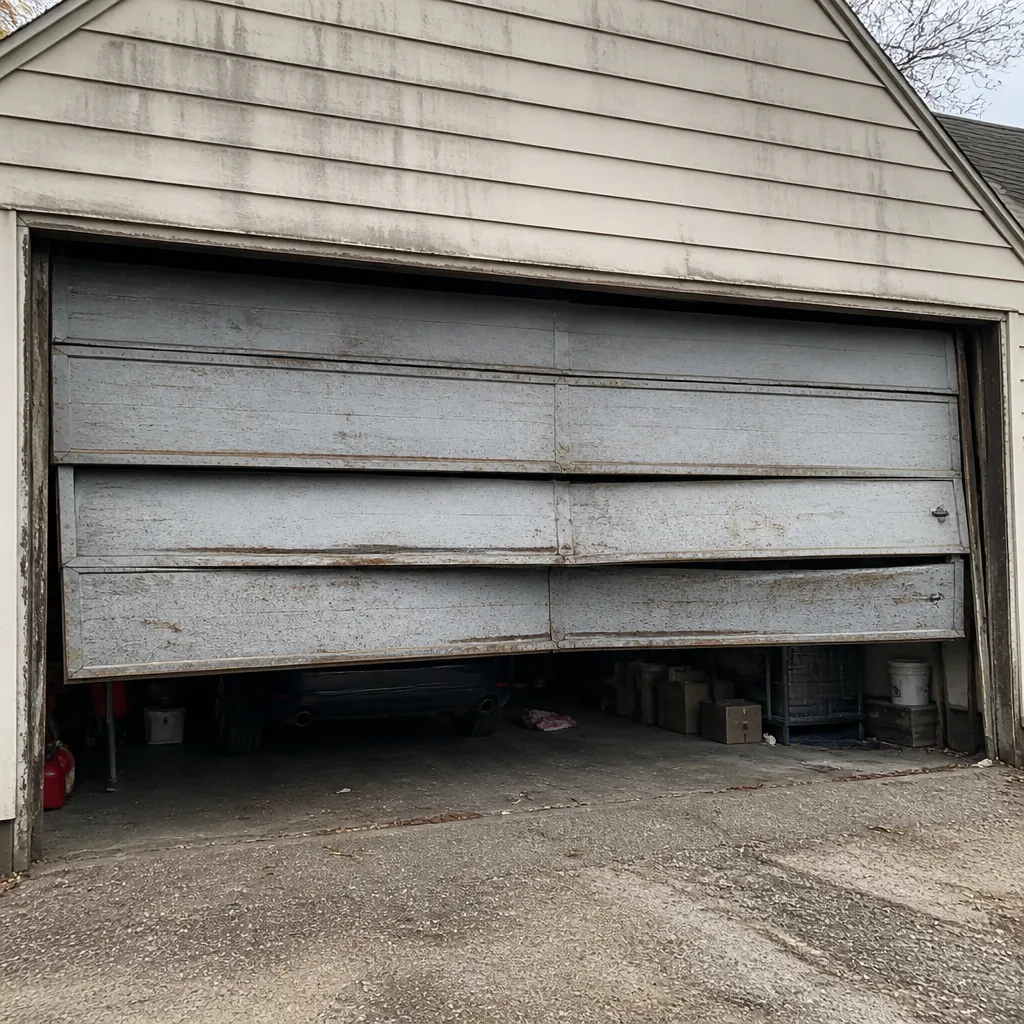 Before
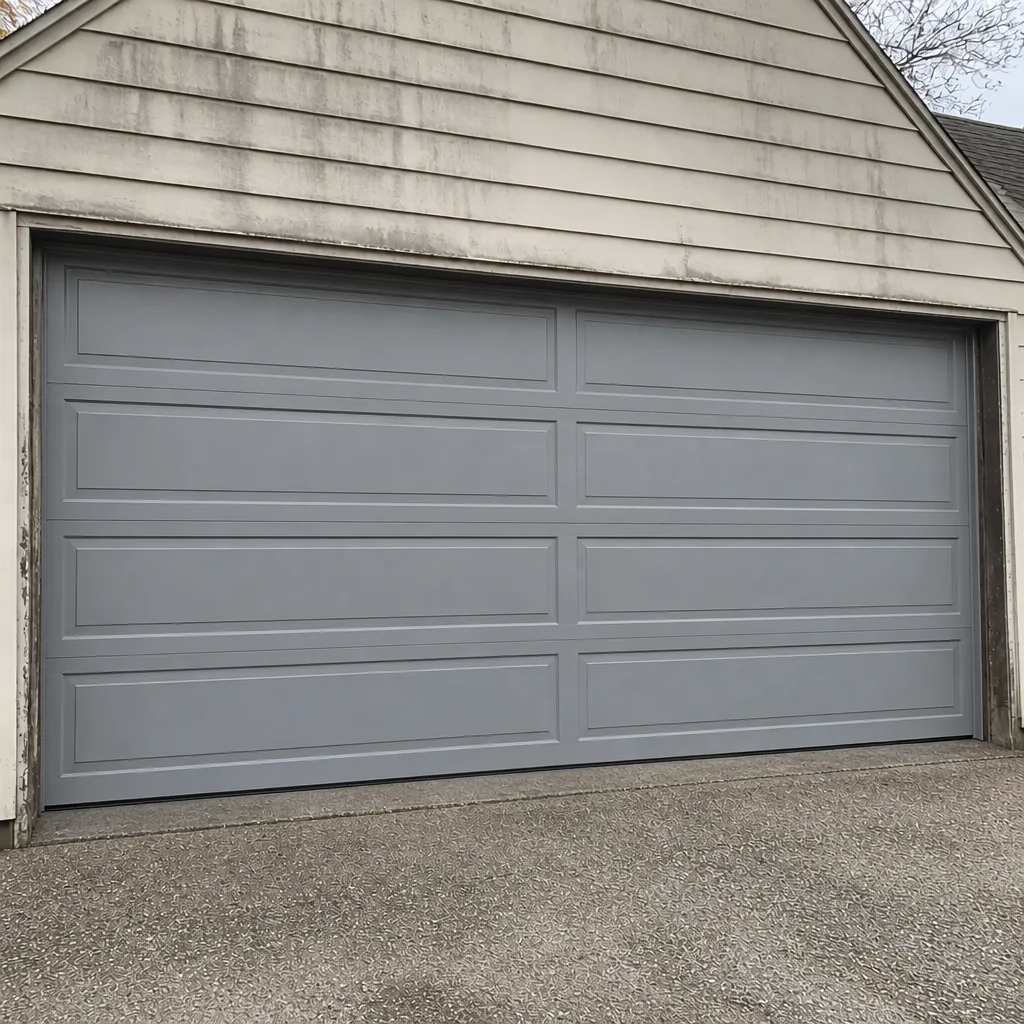 After
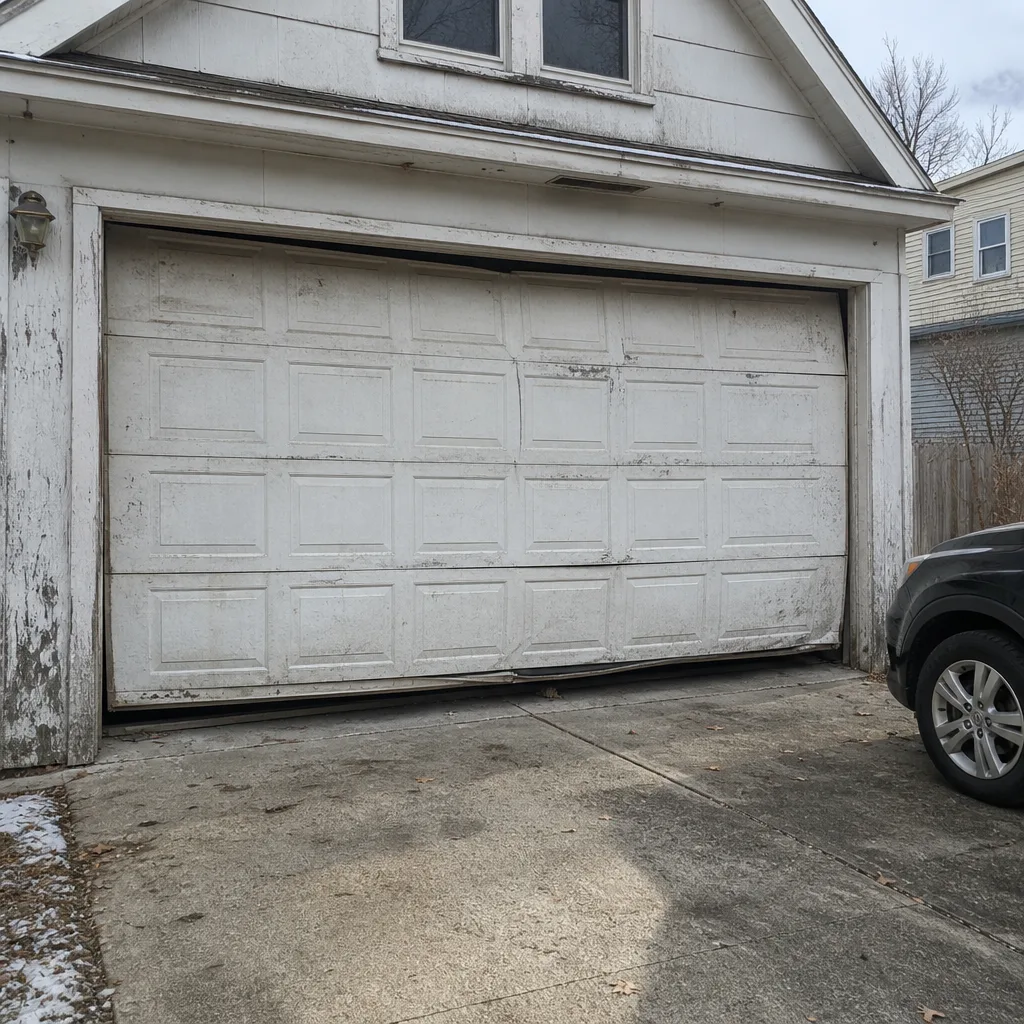 Before
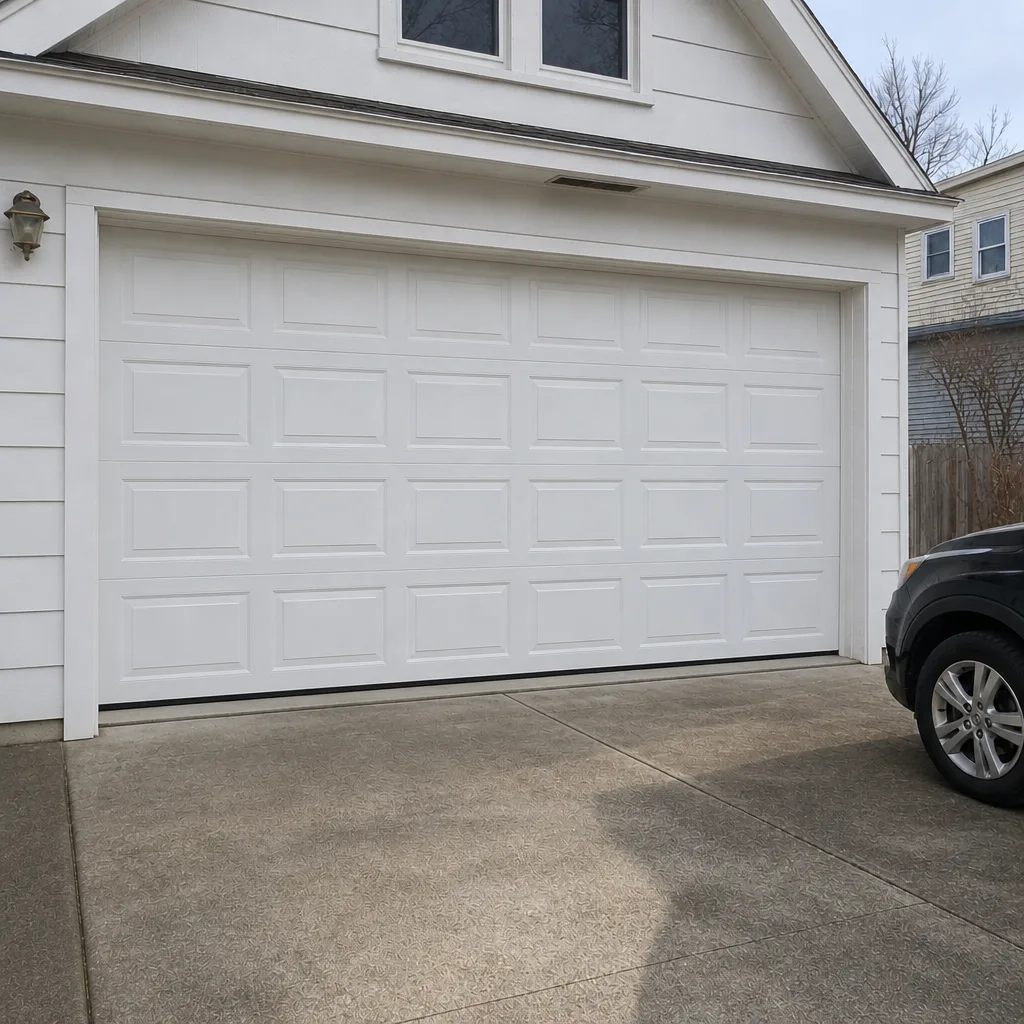 After
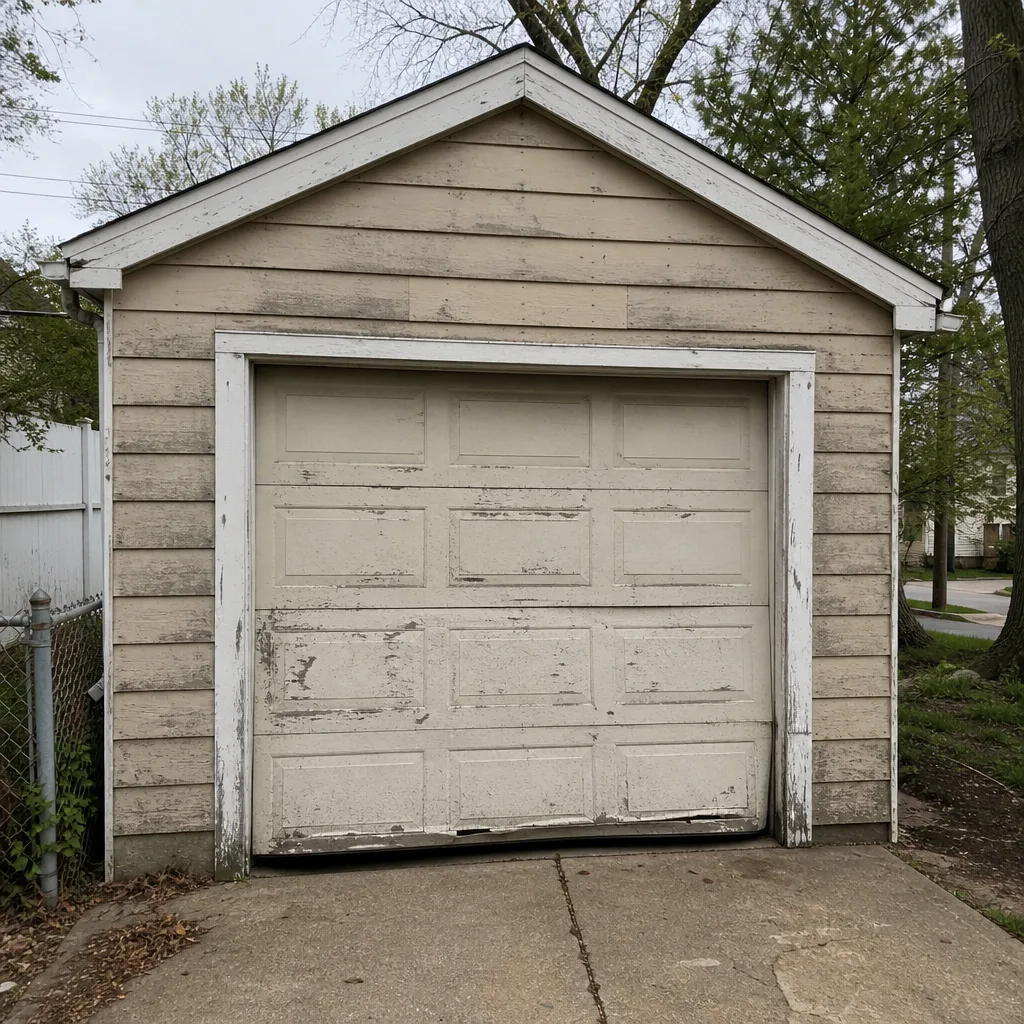 Before
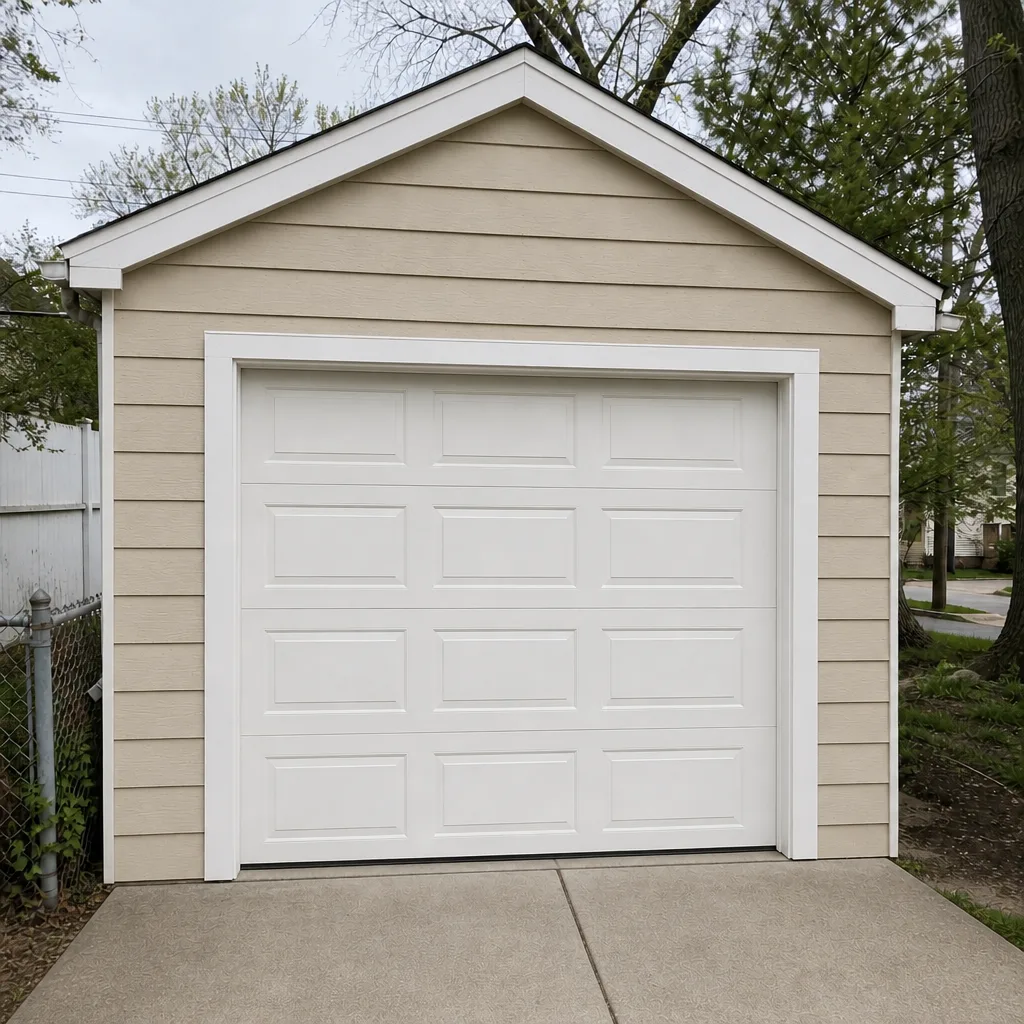 After
When to Call a Professional
The early warning signs in this guide are for monitoring, not for DIY repair. Call a professional when the one-side-drop appears, when the door won’t hold at waist height on the manual release test, when a grinding or clunking has gone from occasional to every cycle, when the opener reverses with nothing under the door, or when anything looks wrong on the winding cone, cable drum, or bottom bracket. Those are the components where stored tension turns a small mistake into a serious injury, and no homeowner should be working on them.
Chelsea Garage Door Repair Pros offers free estimates in Chelsea, and we handle the full system, from opener electronics to springs, panels, and hardware. Our technicians have up to 9 years of experience, and we can walk you through what’s happening with your door before anyone sets foot on the property. Call (877) 492-1756 to book a visit or ask a diagnostic question over the phone.
Frequently Asked Questions
The earliest sign is usually a change in sound during the mid-travel of the door, most often a grinding that wasn’t there before and that starts partway up rather than at the very bottom. That pattern points to a worn roller on the track curves. If the noise starts at the first inch, check the track itself before assuming a mechanical failure. Call (877) 492-1756 for an exact diagnosis, and estimates are free.
Run the manual release test: pull the red disconnect handle, lift the door to waist height, and see whether it holds. If the door feels heavy, uneven, or won’t hold position, the balance is off and springs are the likely fault. If the door balances perfectly and the opener still strains, the opener is the issue. Call (877) 492-1756 and we can help you read the result.
On a double-width Chelsea brownstone door, a torsion spring typically gives seven to ten distinct warning signs over roughly 60 days before it breaks. Most of them show up as noise or balance changes, not as obvious spring symptoms. Treating any single sign as urgent is the safe approach. Call (877) 492-1756 to schedule a spring inspection, and estimates are free.
Yes, in almost every case. A door that hangs lower on one side usually has a slack or worn cable, and replacing the cable and re-balancing the door restores normal operation without touching the panels. If a panel has already been struck or bent, that panel may need replacement, but the door frame and the rest of the panels are usually fine. Call (877) 492-1756 for an assessment.
An opener that reverses with nothing under the door is usually interpreting door resistance as an obstruction. That’s often a balance problem rather than a logic board failure, so check the manual release test before you replace the opener. If the door is heavy or uneven, springs are the more likely cause. Call (877) 492-1756 and we’ll help you sort which component is actually failing.
Not usually. Most early warning signs point to individual components (rollers, springs, cables, opener drives) rather than a full door failure. Replacement makes sense when panels are structurally damaged, when the door has been re-paneled repeatedly, or when a homeowner wants a new look. If you decide to replace, the same specialists can handle garage door installation so the new door is set up correctly from the start. Call (877) 492-1756 for a free estimate either way.
The Bottom Line
The most useful information a garage door gives you isn’t the moment it stops working, it’s the 60 days before. A torsion spring on a Chelsea double-width door typically telegraphs a failure through seven to ten signals: grinding mid-travel, a repeating clunk at the same position, uneven speed, drift on close, a door that sits lower on one side, a struggling opener, and the manual release test getting heavier. None of these are cosmetic, and none of them cost as much to fix early as they do after a panel strike or a cable failure. Track the signs, run the manual release test monthly, and treat the spring assembly and cable hardware as off-limits for DIY work. That covers the whole system, from the panels on a Clopay or Amarr door down to the drive gear on a LiftMaster or Genie opener.
If you’re seeing any of these signs on a Chelsea door, Chelsea Garage Door Repair Pros can help you sort out what’s happening before the failure lands. We handle repair, replacement, openers, and emergency service, and we diagnose by brand so the first visit solves it. Chelsea Garage Door Repair Pros is one call for the whole system, not one component. Call (877) 492-1756 today for a free estimate and put the door back on track.
Written by the team at Chelsea Garage Door Repair Pros.